Best thing since sliced bread

A wheat field is a symbol of nature’s bounty – but for the those of us with gluten intolerance, it’s a minefield. Chef Lucinda Bruce-Gardyne, whose son is a sufferer, shows how to replace gluten in your diet, and tells the story of her great experiment: perfecting gluten-free bread.

Best thing since sliced bread

During the four years it took to write the Leiths Techniques Bible, I had two sons. One was diagnosed with a severe allergy to eggs and dairy products, while the other was diagnosed with coeliac disease, which is caused by an intolerance of gluten, a protein found in wheat, rye, barley and sometimes oats. Even with my culinary nous – I’d also been a chef at London’s Bibendum – this was a challenge. I had to learn how to cook our family meals without the ingredients I’d always taken for granted. 

Check out Lucinda's guide to gluten-free living

This learning curve led me to write a new book, How to Cook for Food Allergies, and as I searched for substitutes that worked as well as wheat flour, eggs and dairy products, I learned it was simple to substitute allergens in small quantities, but as the proportion of an allergen increased in a recipe, the harder it became to make food of the same quality. For example, it’s easy to thicken a sauce with gluten-free starch instead of a little wheat flour, but harder to replace flour in bread, where it makes up half the recipe.

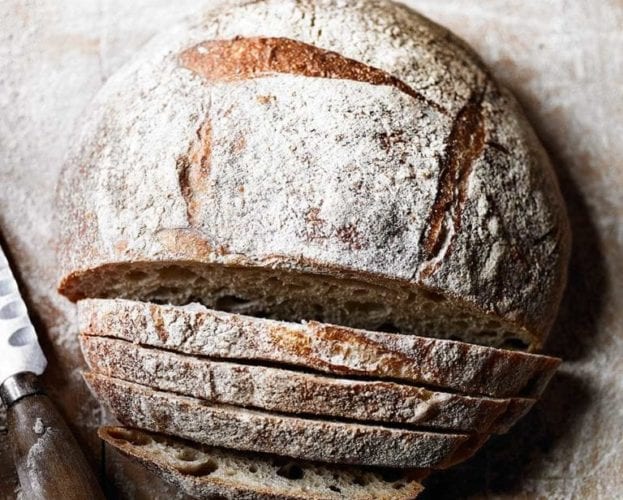
It became obvious: the vital (but most challenging) recipe to perfect was tasty, wholesome, gluten-free bread. The few fresh gluten-free breads that were available tended to be dense and heavy, while the long-life ones were crumbly and dry. Many gluten-free loaves also contained codex wheat starch, which has had most of the gluten removed, but still contains wheat, which 50% of people trying to avoid gluten also want to avoid. My son and others with coeliac disease and less severe gluten intolerances were missing out on one of life’s simple pleasures. It wouldn’t do.

There is, I found, a huge need for tasty gluten-free products. It is estimated that one in 100 of the population (more than 600,000 in the UK) suffers from coeliac disease, and another 14 per cent of people questioned report feeling better when they eat less gluten. In fact there are now more people in the UK who avoid gluten in their diet than those who avoid dairy products.

Coeliac disease is a lifelong, often serious auto-immune reaction to gluten. The nutrient-absorbing villi in the gut become inflamed, which reduces their effectiveness. This can lead to symptoms such as bloating, nausea, diarrhoea, indigestion, constipation, tiredness, headaches, weight loss, joint pain and even osteoporosis or infertility.

Despite the discomfort caused by this condition, on average, it takes 13 years before a coeliac is diagnosed. People can be born with coeliac disease or develop it at any age, but most are diagnosed between the ages of 40 and 60 via a blood test and gut biopsy. Self-testing kits, made by Biocard, can now be bought online.

The only effective way of treating coeliac disease is a gluten-free diet. Research shows that people with conditions such as autism, diabetes and eczema can also benefit from cutting out gluten. But doing so is not trivial – it means giving up many manufactured goods, most baked foods, many puddings and sauces. Staples such as wheat pasta, pearl barley, couscous, cracked wheat and many breakfast cereals are out. Gluten is also found in malt products such as beer, whisky, sweets and milky drinks.

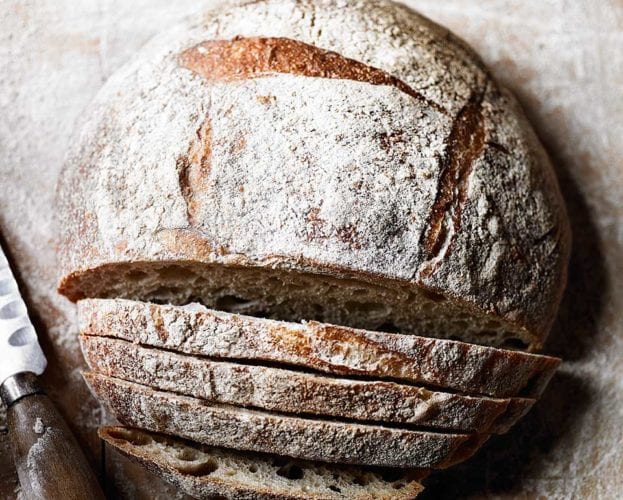
But for my family, bread was the biggest problem, and I was determined to develop fresh gluten-free bread, in brown and white versions. It would be made with natural ingredients and taste, look, toast, slice, smell and feel like real bread. Creating soft, well-risen, gluten-free bread is far from easy, because it is the gluten in wheat flour that binds and gives the dough its elasticity and ability to rise. Gluten also gives bread its moist, open and chewy consistency, so without wheat flour, a blend of alternative flours and binders must be used in its place.

After three years, hundreds of failed attempts and a broken oven, I’ve created Genius, a wholesome, gluten-free bread in brown and white versions, with a home-baked taste that I hope everyone will enjoy – whether they have a gluten intolerance or not. I want to challenge the view that people on a restricted diet have no choice but to miss out on tasty food that the rest of us are able to enjoy.

Genius Gluten-Free Bread, Lucinda’s gluten- and wheat-free bread, is available at 700 Tesco supermarkets in the UK for £2.49. For more information on Genius, call 0845 874 4000 or visit the website.

For further information on coeliac disease, contact Coeliac UK

Check out Lucinda's guide to gluten-free living

Gluten free recipes

Stockists of gluten-free products

Comments

(You have to be registered and signed-in to make a comment)

Annieth

July 30

I'm going to go to Tesco and buy one of your loaves. If it is as good as you say I will nominate you for a medal!

Sign in
Sign in

Forgot password ?

Why sign up?
Save recipes, enter exclusive competitions and upload you own recipes!

Register for free now
Find the delicious. suppliers all in one place! Find the delicious. suppliers all in one place! The delicious. news & recipes straight to your inbox The delicious. news & recipes straight to your inbox