Getting those pesky little seeds out of a pomegranate can be a little fiddly.
Check out our video to find out how to remove them easily, then use to decorate cakes, salads or our gorgeous Moroccan lamb tagine.
Getting those pesky little seeds out of a pomegranate can be a little fiddly.
Check out our video to find out how to remove them easily, then use to decorate cakes, salads or our gorgeous Moroccan lamb tagine.
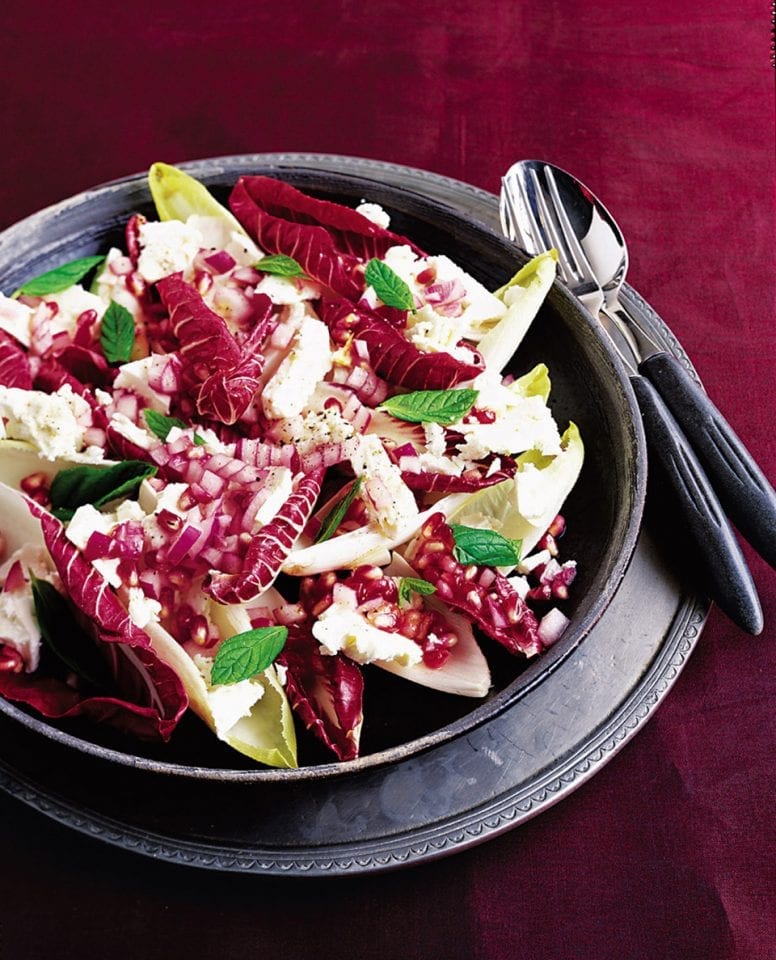
Getting those pesky little seeds out of a pomegranate can be a little fiddly.
Check out our video to find out how to remove them easily, then use to decorate cakes, salads or our gorgeous Moroccan lamb tagine.
Food stories, skills and tested recipes, straight to your door… Enjoy 5 issues for just £5 with our special introductory offer
By joining our newsletter you agree to our
Privacy Policy