
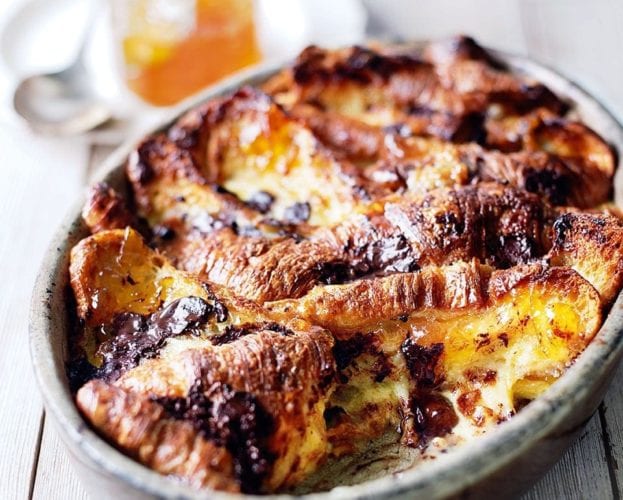
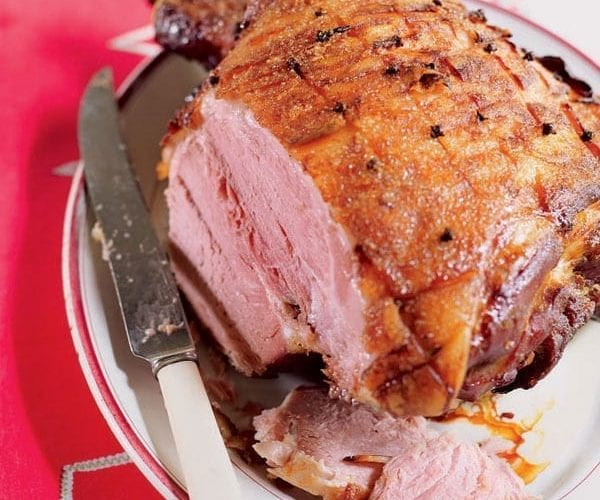
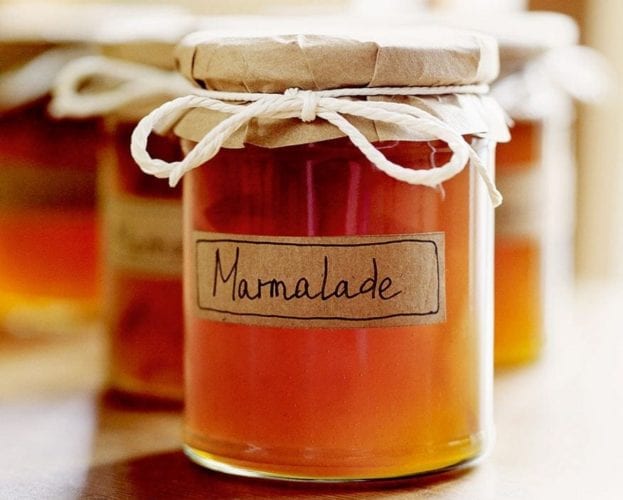
Homemade Seville orange marmalade is a pure joy. Simply spread it on your toast at breakfast or use it to glaze ham, flavour your baking or make a steamed pudding with it.

Join Extradelicious to unlock Cook Mode
Ingredients
- 900g Seville oranges
- 2 lemons
- 1.5kg preserving sugar
Join Extradelicious to unlock Cook Mode
Method
- Pop 3 or 4 small plates into the freezer.
- Halve the oranges and lemons. Squeeze the juice and pour into the preserving pan, making sure you reserve the pips, any white pith and the empty orange halves.
- Put all the pips and any pith into a square piece of muslin. Tie with string, leaving the string long enough to tie onto the handle of the pan – this makes it easier to get out later.
- Using a sharp knife, cut the empty orange halves in two, then slice as thinly or as thickly as you like them in the finished marmalade. Add to the pan with the juice and pour in 2.8 litres water. Add the muslin bag and tie to the handle.
- Bring to the boil, then reduce the heat and simmer gently for about 2 hours until the zest is very soft and transparent. Tip in the sugar, stir well with the wooden spoon and bring slowly to the boil. Once the sugar has dissolved, boil rapidly until setting point is reached – about 10-20 minutes – or if you have a sugar thermometer, when the temperature reaches 105°C.
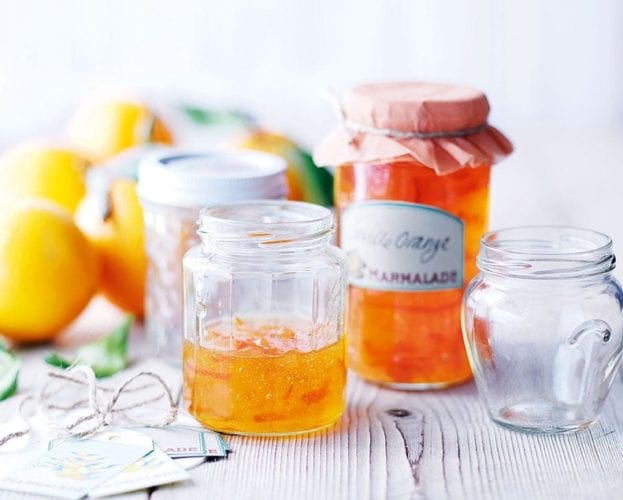
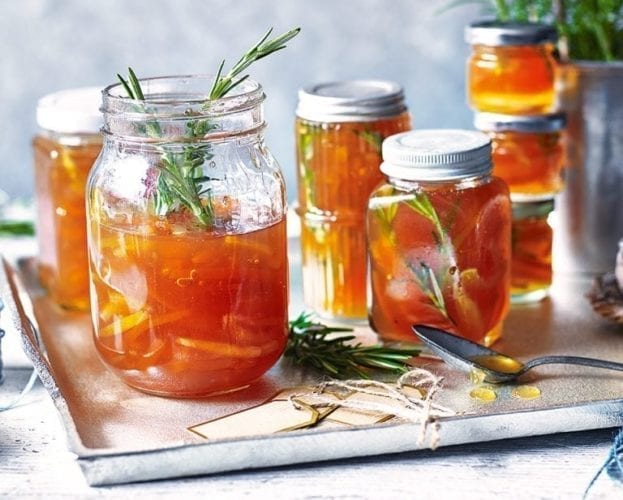
- To test, take 1 of the plates from the freezer, spoon a little marmalade onto it and chill in the freezer for 1 minute. Then, run your finger through the cold marmalade – if it is thickened and begins to wrinkle, it’s set. If not, cook for about 3 more minutes and test again. You may need to test this a few times until the required set is reached. Allow to stand and cool slightly for about 20 minutes. Use a jam funnel to ladle the marmalade into sterilised 6 x 450g jam jars. Top with a waxed disc, then cover. Cool the jars, then label and date them.
Leave a comment, question or tip