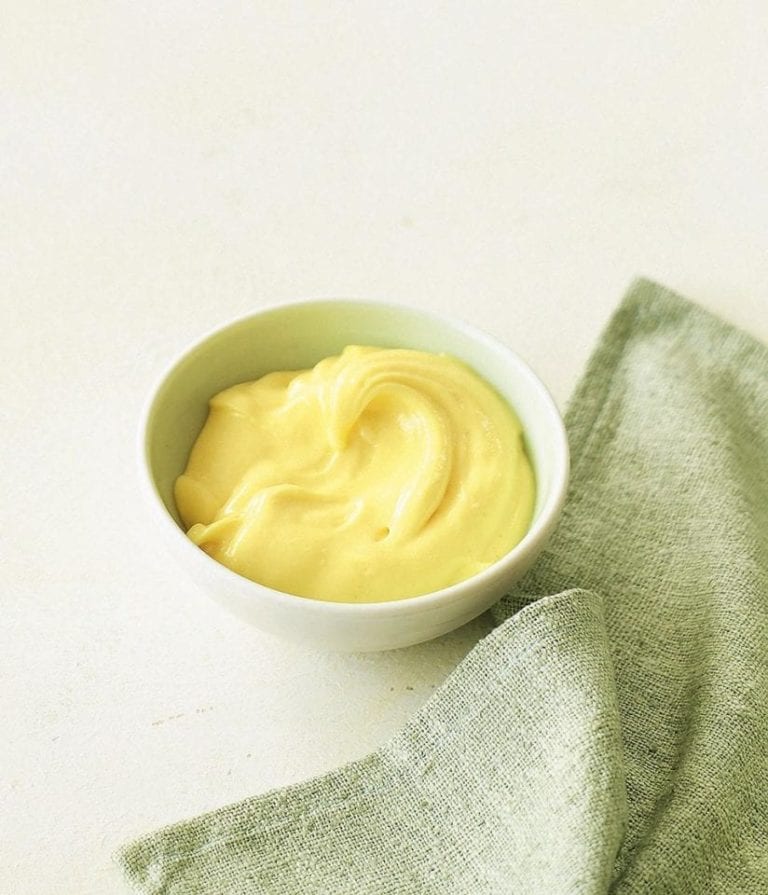
Learn how to make velvety home-made mayonnaise. It's simple and quick to make, and is vastly superior to most shop-bought stuff. Follow our method for perfect results every time.
What is mayonnaise?
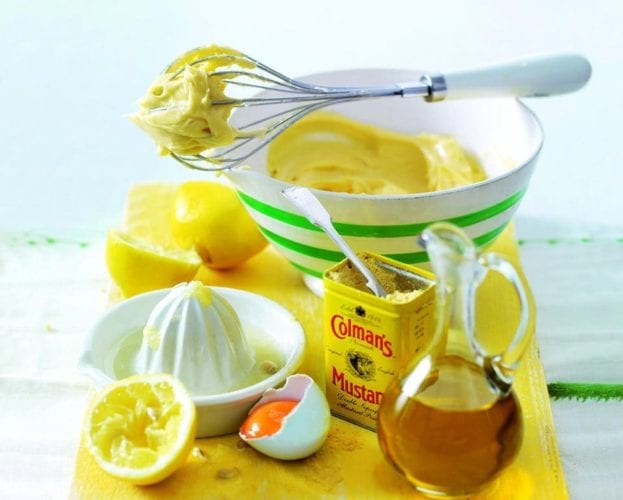
It’s a stable mixture, or emulsion, of oil and vinegar, in which egg yolk acts as the emulsifier, ie it helps these two ‘unmixable’ liquids to be combined. The addition of salt and mustard powder not only flavours the mayonnaise, but also helps the formation of the emulsion.
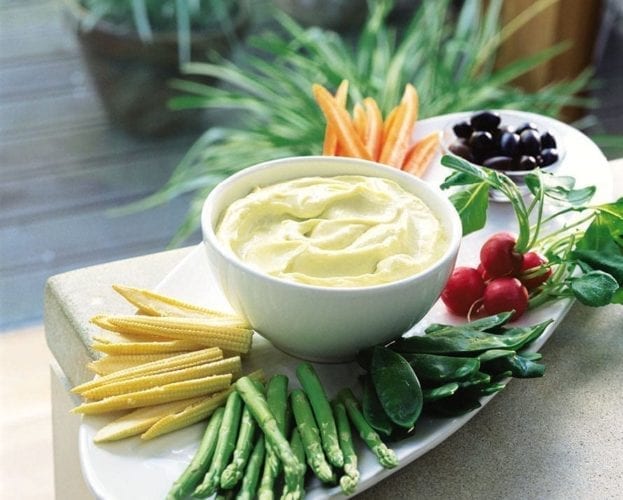
Use the seasoning ingredients carefully – a classic mayo should have a delicate taste, with no single flavour dominating. Olive oil has a strong, overpowering flavour, so at least two-thirds of the oil used should be a flavourless one, such as groundnut. Mayo is delicious served as it is, alongside fresh salads or poached salmon fillets, or simply stirred through egg and cress, and sandwiched between slices of crusty bread.
Three rules to remember
Home-made mayo is an easy skill to master. Take your time and follow these simple rules:
- Use fresh eggs at room temperature
- Use very clean, dry equipment
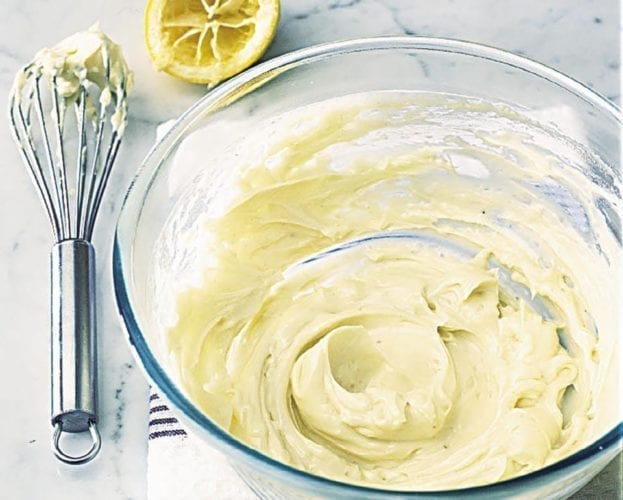
- Add your oil really slowly, a drop at a time to begin with, whisking all the time until an emulsion forms
Troubleshooting
- To rescue split mayonnaise (which results from adding the oil too quickly, not beating hard enough or using cold ingredients), slowly beat the mixture into a new egg yolk until smooth, then add the remaining oil.
- After refrigeration, your mayo may be too thick, with an oily surface. Bring it back up to room temperature, then beat vigorously with a little water, or, if you like it a little sharper, lemon juice or vinegar, to taste.
Using a food processor
To speed things up, use a food processor. Put the egg yolks, mustard powder, vinegar, salt and lemon juice in the bowl, then whizz to combine. Keep on whizzing, while very slowly drizzling the oil through the funnel. Add a little water through the funnel if it is too thick. You could also make your mayo as in the master recipe, but using a hand-held electric whisk.
Storing your mayonnaise
Spoon the freshly made mayonnaise into a very clean bowl and cover with cling film. Your home-made mayo will keep in the fridge for up to 5 days.
Adding flavours
Its simple flavour makes mayo an ideal base for adding stronger flavourings such as capers, gherkins, lemon and lime, mustard, wasabi, fresh herbs, flavoured oils, shallots or garlic.

Classic sauces that use mayonnaise as their base
- Aioli: crushed garlic
- Marie Rose sauce: tomato ketchup, creamed horseradish, Tabasco and lemon juice, to taste
- Tartare sauce: capers, gherkins, lemon and parsley