Summer berry jam
- Published: 6 Jun 25
- Updated: 1 Aug 25
Learn how to make classic summer berry jam with strawberries and raspberries with this step-by-step recipe by food writer Lizzie Kamenetzky.
“Making jam is the best way to preserve the taste of summer long after the clocks go back and the nights draw in,” says Lizzie. “With British strawberries and raspberries at their best in the summer (not to mention their cheapest), it would seem rude not to whip up a few jarfuls.”
Follow our tips to perfect this challenging recipe every time. “Thoughts of perfectly set pots of preserve on trestle tables at summer fetes, graded by critical judges with clipboards, have made many home cooks fearful of jam-making. But the truth is, while there are a few rules to adhere to, it’s really not that daunting a task – and, with this handholding recipe, the rewards are fruitful.”
Looking to make jam in the autumn months? Try our blackberry jam.
-
Makes about 1.5 litres -
Hands-on time 30 min, plus macerating and cooling
Ingredients
- 500g strawberries, hulled and halved if very large
- 500g raspberries
- 900g jam sugar
- Juice 1 lemon
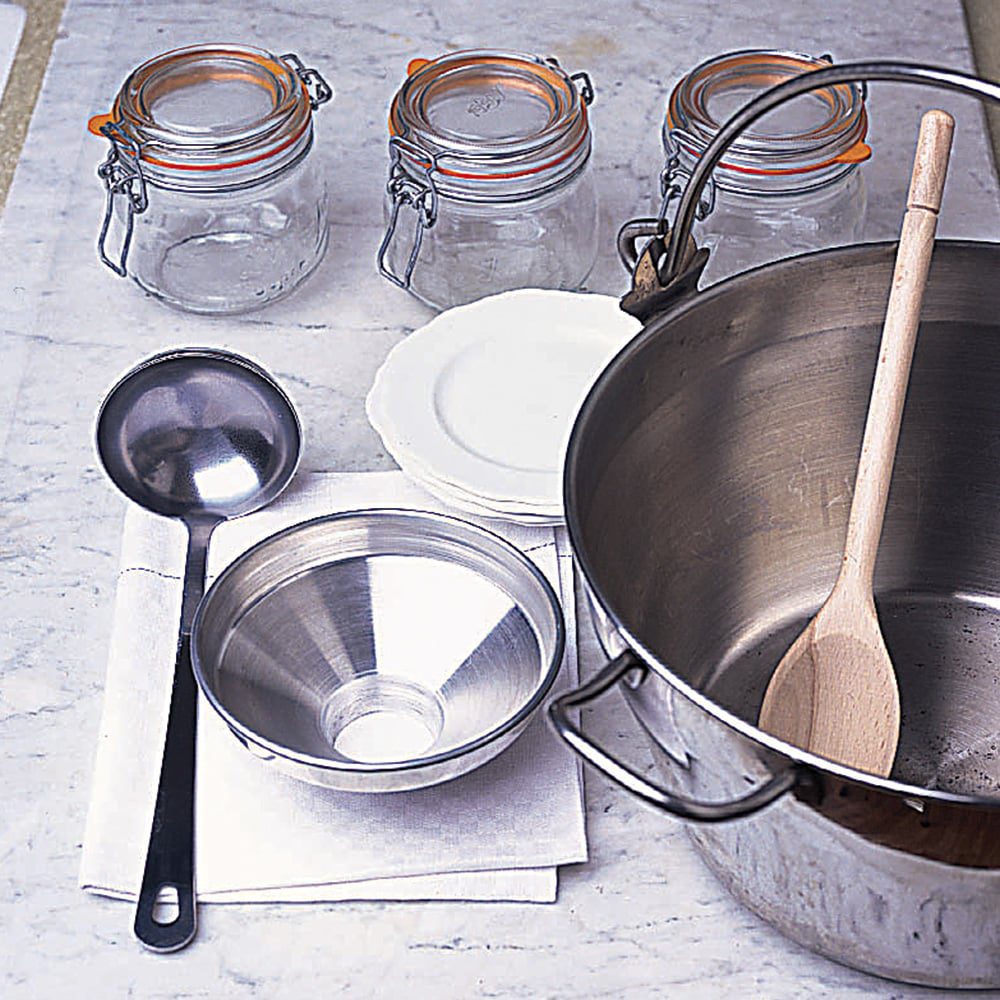
You’ll also need
- Large preserving pan
- Jam/sugar/digital thermometer
- 6 sterilised jam jars or small kilner jars
- Ladle
- Jam funnel or narrow-spout jug
- 6 wax discs and jam covers or lids to seal the jars, from Lakeland
Nutrition
- Calories
- 13kcals
- Fat
- nil
- Protein
- nil
- Carbohydrates
- 3.2g (3.2g sugars)
- Fibre
- 0.1g
- Salt
- nil
delicious. tips
If you’d prefer to have whole berries in your jam, stir gently and don’t squash the fruit.
Strawberries are low in pectin (a natural gelling agent) but raspberries contain a little more. Adding lemon juice, which is high in pectin, helps to turn the jam from runny to thickened. Add a little more if you’re worried about the jam not setting properly.
They may sound similar, but jam sugar and preserving sugar are not interchangeable. Unlike preserving sugar, jam sugar has added pectin so is best used when making jam with lower-pectin fruit (such as strawberries and raspberries).
You can vary the berries in the recipe if you like, but make sure you stick to the same total weight. If you’re increasing the size of the batch, you’ll need to boil the jam for longer.
Check the berries are clean and free of dirt. But avoid washing them if you can – strawberries absorb water easily and excess water in the jam can dilute the pectin, making the set more difficult to achieve. If you must wash them, do so under cold running water but dry thoroughly with kitchen paper before using.
If you have lots of fresh picked fruit and little time, freeze measured quantities in perfect condition to make jam at a later date.
The jam will keep for up to 2 years in sealed sterilised jars. Keep somewhere cool and dry. Once opened, keep in the fridge and use within 2 months.
The lars need to be sterilised before you fill them with jam to prevent mould growing. To do this, wash them well in warm soapy water, rinse. then dry completely in a low oven (about 120°C), upside-down on a clean baking tray. Use a clean tea towel to handle the jars – they’ll be hot and you don’t want to introduce bacteria from your hands into the clean jars.
Sealing the jars while the jam is still warm limits the chance for airborne bacteria to contaminate the jam and ensures a good seal. It’s important to make sure the spoons, ladles and funnels you use are very clean, too.
Watch our video on sterilising jars:
<span data-mce-type=”bookmark” style=”display: inline-block; width: 0px; overflow: hidden; line-height: 0;” class=”mce_SELRES_start”></span>