


Mayonnaise
- Published: 13 Jul 18
- Updated: 18 Mar 24

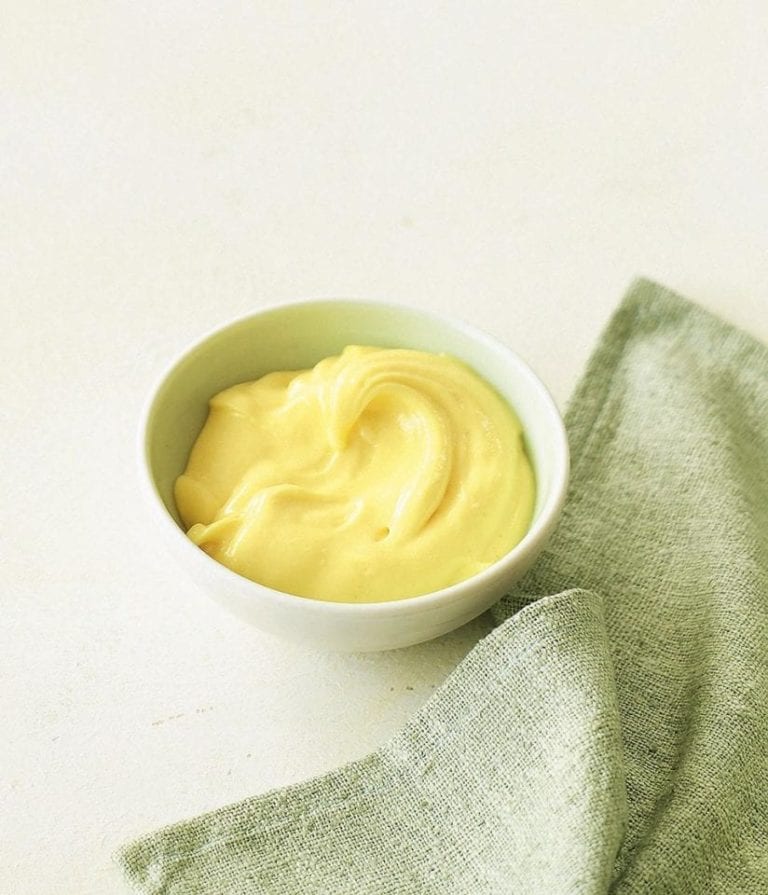
The only basic mayonnaise recipe you will need. Trust us, good quality ingredients make all the difference to this quick and easy sauce. Check our tips from the food team, to make sure you get it right, every time.

-
 Makes about 200g
-
 Ready in 10 minutes


Ingredients
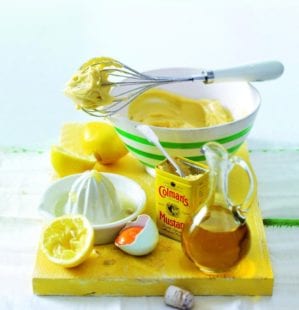
- 2 large free-range egg yolks, at room temperature
- 2 tsp Dijon mustard
- 2 tsp vinegar or lemon juice
- 200ml cold-pressed rapeseed oil or mild vegetable oil
Method
- Whizz the egg yolks, mustard and vinegar or lemon juice in a food processor, then add the oil in a confident, steady stream äóñ you need keep up with the speed of the blades. It is ready when the blades leave a visible trail through the mayonnaise. Season to taste.
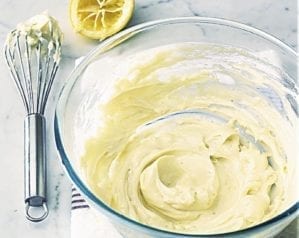
- To make it by hand, it is best to get someone to help. One of you holds the bowl steady and whisks, while the other adds the oil in a gentle, continuous drizzle. Season to taste. Note: if it curdles, remove it from the processor or bowl and set aside. Add 1 egg yolk and whizz or whisk briskly, slowly adding back the curdled mayo. The new egg should bring it back together.
- Recipe from September 2008 Issue
Nutrition
Per tablespoon
- Calories
- 112kcals
- Fat
- 12.2g (1g saturated)
- Protein
- 0.5g
- Carbohydrates
- 0.1g (0.1g sugar)
- Salt
- trace salt
delicious. tips
Unlike its commercial cousins, home-made mayo is a raw egg product, so chill it and use within 3 days.
Sometimes mayonnaise plays up. You will know if you have curdled a batch because it literally falls apart instead of becoming the luxurious, wibbly-wobbly emulsion. The most likely culprit is cold egg yolks from the fridge and ambient oil from your larder. To cut a food science story short, when you make mayo you are trying to bind the fats in the egg with those in the oil. If one is cold and the other isn’t, it won’t work.
Buy ingredients online

Rate & review
Rate
Reviews

Subscribe to our magazine
Food stories, skills and tested recipes, straight to your door... Enjoy 5 issues for just £5 with our special introductory offer.
Subscribe
Unleash your inner chef
Looking for inspiration? Receive the latest recipes with our newsletter