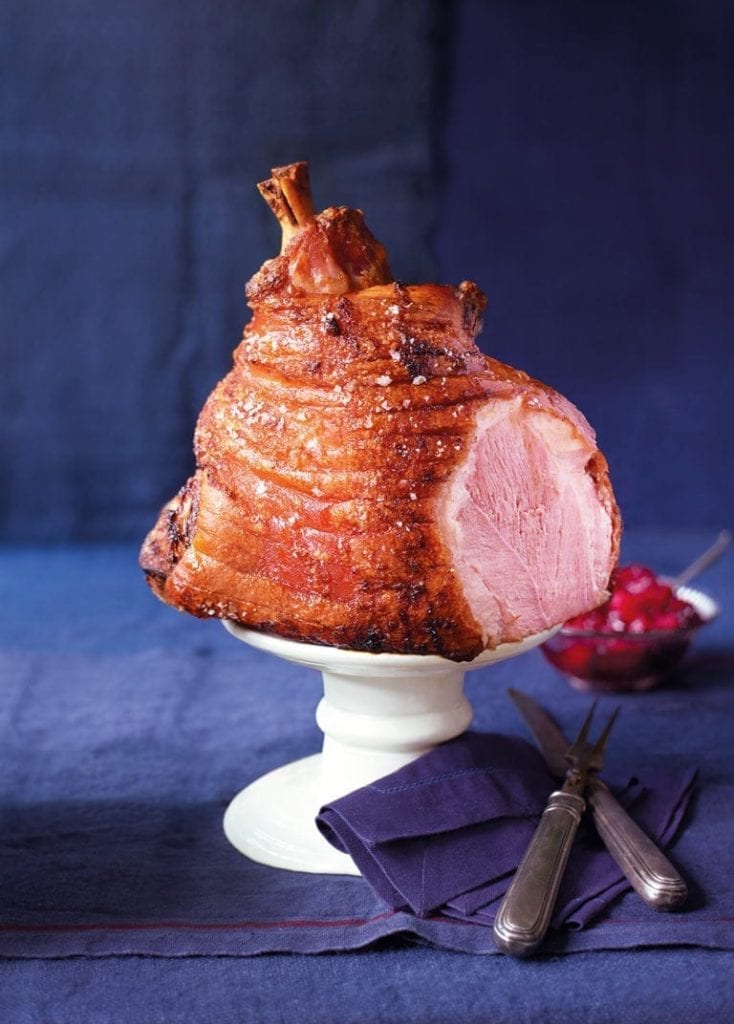
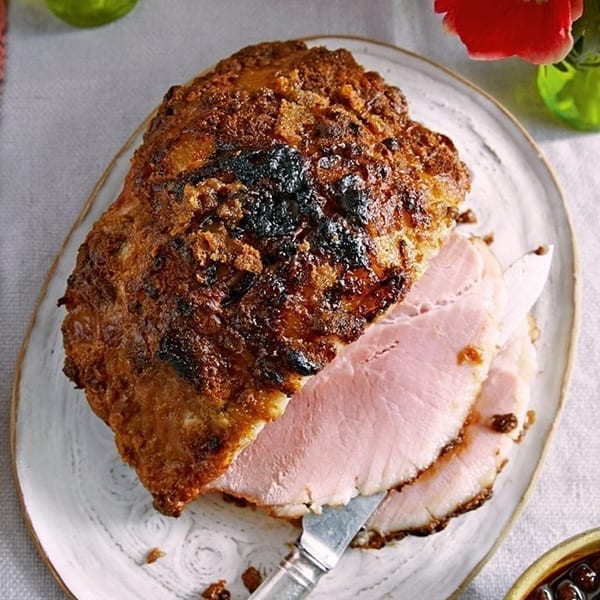
A cooked gammon makes a wonderful centrepiece for a special occasion and is even more delicious when covered in a sticky glaze – especially at Christmas. Here’s how to cook gammon.
How to cook gammon
Guides |
November 2014

A cooked gammon makes a wonderful centrepiece for a special occasion and is even more delicious when covered in a sticky glaze – especially at Christmas. Here’s how to cook gammon.
How do I cook a gammon?
A whole gammon is impractical in this day and age as it can weigh as much as 10kg, so you’ll find it cut into smaller, more manageable joints – corner, middle, knuckle end and slipper gammons.
The middle gammon is the top half of the leg. It weighs 2-3kg and is the best gammon joint for roasting or boiling, because it yields the largest, neatest slices. It can either be cooked on the bone, or boned and rolled to make carving easier. You’ll still need a large stock pot or preserving pan in which to cook it.
1. First soak the gammon to remove the excess salt. Talk to your butcher about the cure they’ve used – some are stronger than others, but most will need around 12-48 hours soaking. Cover the gammon in fresh water, changing it every 12 hours. To check you’ve removed enough of the salt, slice off a small piece, drop it into a pan of boiling water and leave until cooked. Taste it and if it’s still too salty, leave the joint to soak a little longer in fresh water.
2. Cook the gammon according to the recipe you’re using. If you want to cook it the night before serving, leave to cool and store somewhere cold overnight (a garage or shed is ideal, just keep it covered), then glaze and bake the next day. We recommend if you’re doing it this way that you bring the gammon back to room temperature (this will take around 5-6 hours), then glaze and bake at around 200’C. You just want the glaze to become sticky, without really heating the meat.
Gammon vs ham
Gammon is any cured, raw joint from the back leg of the pork. It comes smoked, or unsmoked (green). Once it’s cooked, it becomes a ham. Simple as that!
Recipes
Here are some recipes for you to try
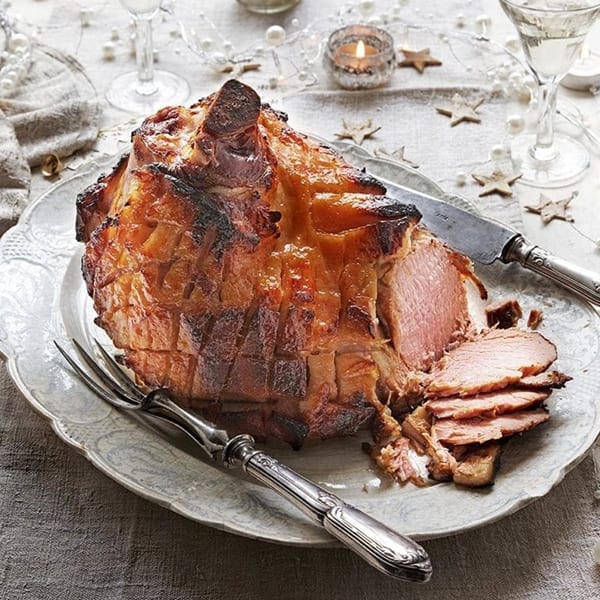
Apple and bourbon roast smoked ham
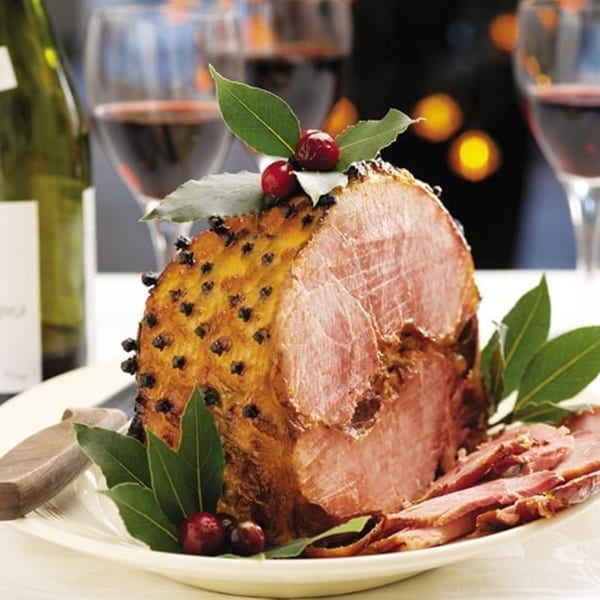
Baked ham with a sticky relish
Subscribe to our magazine
Food stories, skills and tested recipes, straight to your door… Enjoy 5 issues for just £5 with our special introductory offer
By joining our newsletter you agree to our
Privacy Policy