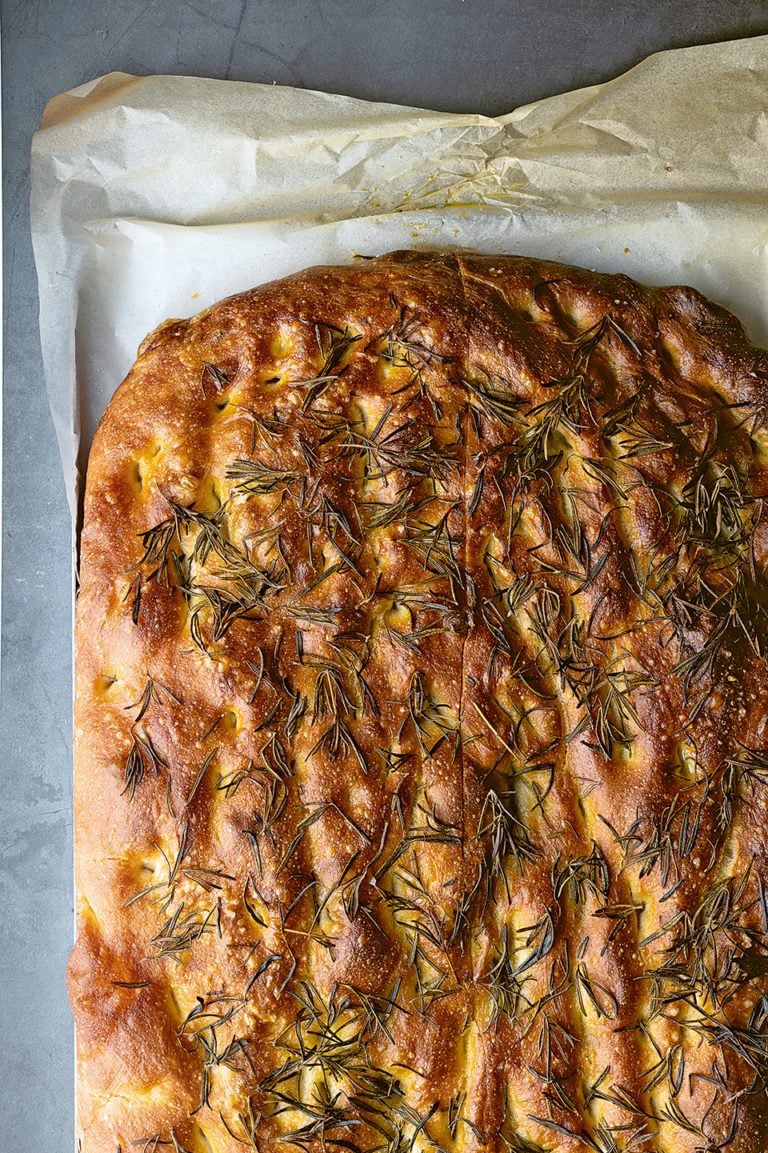
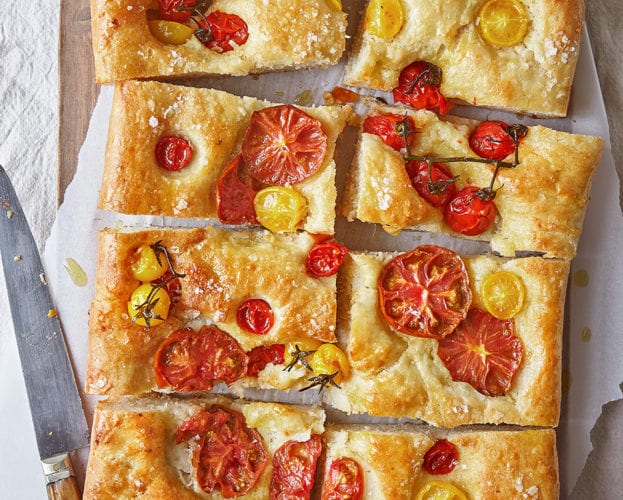
Discover how to make London bakery Bread Ahead’s lazy focaccia. The recipe admittedly starts as a slightly sloppy mix, but with a bit of folding and care ,it becomes a beautifully springy, elastic, pillowy dough.
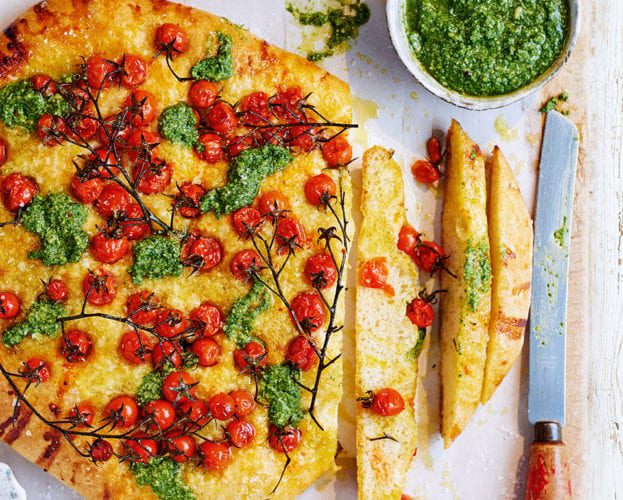
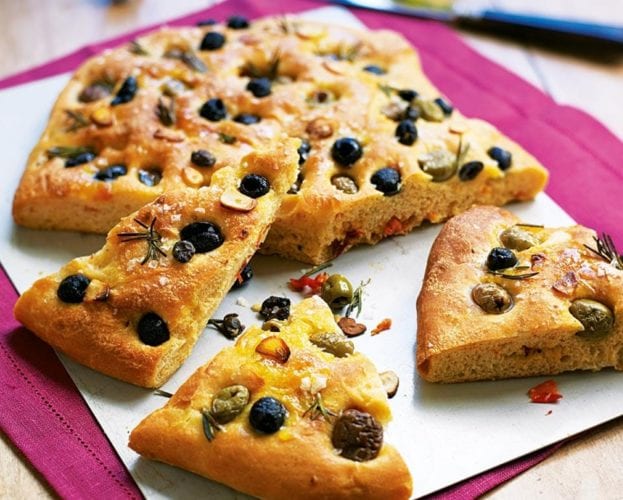
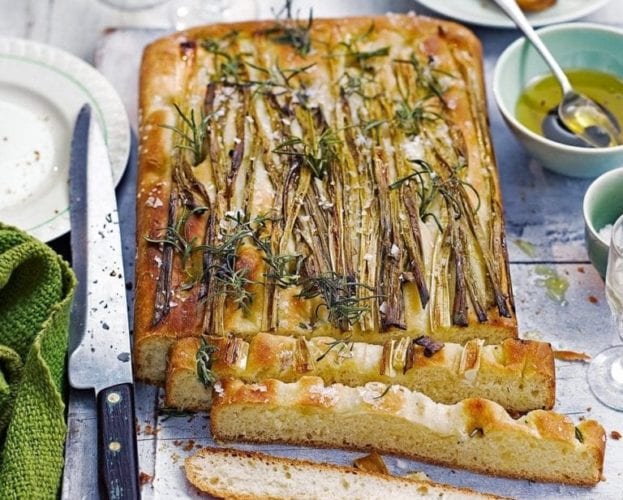
The dough base can be used with various toppings – fresh herbs, chopped onions, artichoke hearts, tomatoes… Let your imagination run wild.
Recipe from Bread Ahead: The Expert Home Baker by Matthew Jones (Hardie Grant £26).

Join Extradelicious to unlock Cook Mode
Ingredients
- 500g strong white bread flour
- 10g (1 +1⁄2 tsp) fine sea salt
- 6g fresh yeast or 3g (1 tsp) active dried yeast
- 400g water at room temperature
- 80g olive oil, plus extra to brush
- Sea salt flakes, fresh rosemary sprigs or your favourite toppingsUseful to have
- Dough scraper; spray bottle filled with water
Join Extradelicious to unlock Cook Mode
Method
- Combine the flour and salt in a bowl. In a separate bowl, add the yeast to the water and mix until dissolved. If using dried yeast, mix the yeast through the flour mixture.
- Make a well in the middle of the flour mixture and pour in the water, then use a spatula, dough scraper, spoon or your hand to bring the dough together to form a loose dough, mixing for a few minutes until all the ingredients are evenly incorporated. If using a stand mixer, use the dough hook attachment to bring the ingredients together. You want a glossy dough with no lumps of flour in it.
- Drizzle 2 tbsp of the olive oil around the edges of the bowl and use a scraper or spoon to gently tease the oil around the edges of the bowl so it’s evenly distributed underneath and over the top of the dough.
- Put your hands under one side of the dough, then pull it up and stretch it over to the other side. Do this from the bottom, then the top, then from each of the two sides (this is considered a single fold and will trap layers of air within the dough). Cover with a damp tea towel and leave to rest for 30 minutes.
- Give your dough 3 more folds in the same way, resting for 30 minutes after each of the first 2 folds. After the third and final fold, move the dough to the fridge and rest for 10 minutes.
- Lightly oil a large baking tray with some of the remaining oil, then gently slide the rested dough into the prepared baking tray. Fold it in half (like a giant Cornish pasty) and massage the remaining olive oil into the surface of the dough, making sure it’s evenly covered. Press your fingers into the top of the dough to spread it out to fill the tray. Make sure you press over the whole surface of the dough (this will give your focaccia its dimpled appearance).
- Add your toppings (except the salt) and leave to rest for 30 minutes – see Make Ahead.
- When ready to bake, heat the oven to 220°C fan/gas 9 or as hot as it will go. Sprinkle the top of the dough with salt, then transfer to the oven and lightly spray the oven chamber with water or place a baking tray filled with 120ml water on the bottom of the oven. Bake for 15 minutes or until crisp and golden. Remove from the oven, brush with a little more olive oil, then cool and serve.
Nutrition
- 257kcals Calories
- 8.7g fat (1.4g saturated) Fat
- 5.1g Protein
- 38.5g (0.3g sugars) Carbs
- 2g Fibre
- 1g Salt

Rate and review
Rate
Reviews

I “held” this focaccia overnight in the fridge and it turned out brilliantly.

That’s great to hear! What a good idea.

Leave a comment, question or tip