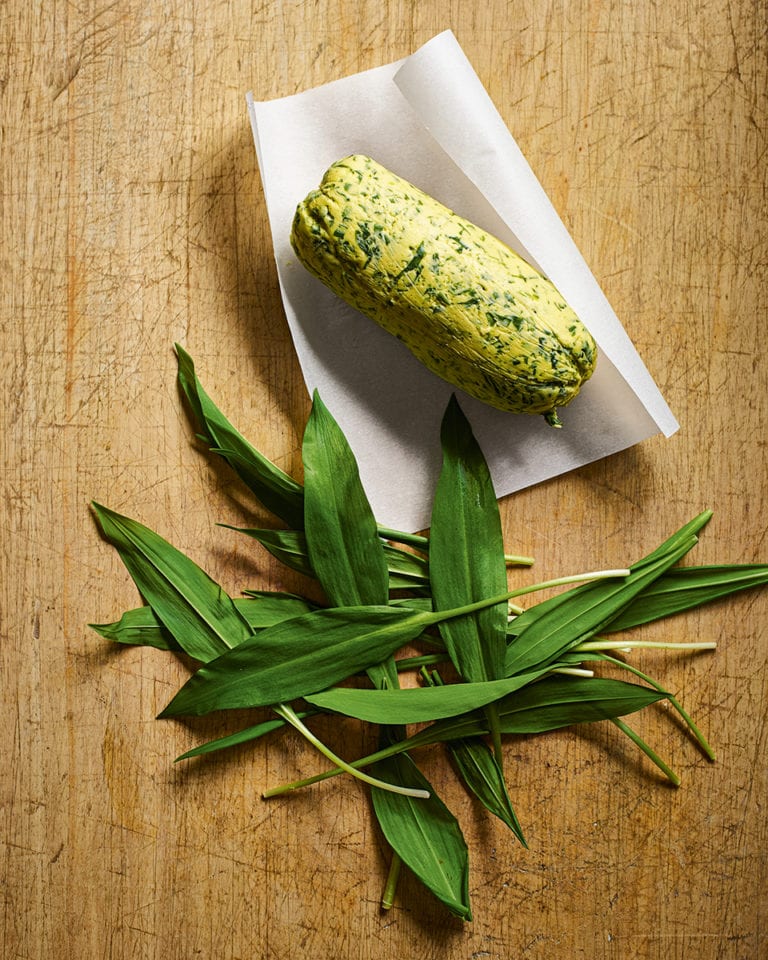
Wild garlic butter
- Portion size: Makes 30 x 10g portions
- Hands-on time 10 min
- Difficulty: easy



Preserve the flavour of wild garlic with this easy, freezable recipe for wild garlic butter.
- Quick and simple: Only three ingredients and 10 minutes are needed to mix together this deliciously fragrant butter.
- Handy fridge standby: The recipe will keep well in the fridge for a few days and can be frozen, too – see Make Ahead.
- Versatile ingredient: Use your butter to top sides such as potatoes and vegetables and to add pep to simple grilled or steamed meat and fish.
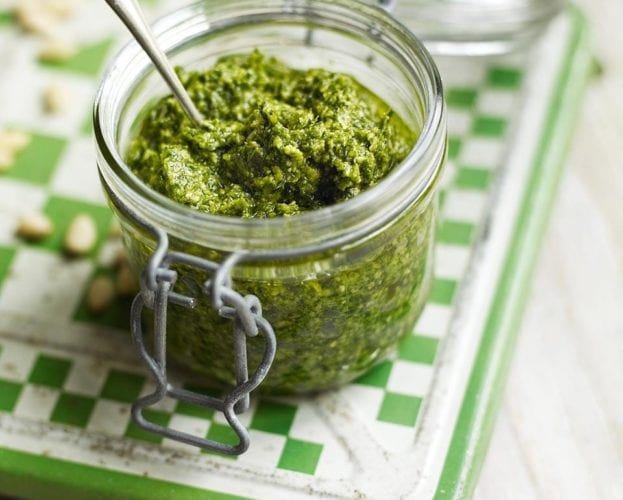
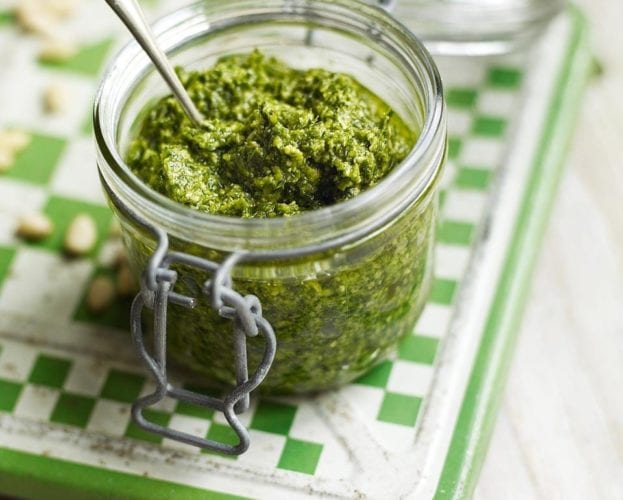
Or, make this simple yet sensational wild garlic pesto – another great way to preserve it.

Join Extradelicious to unlock Cook Mode
Ingredients
- 250g pack of softened unsalted butter
- 1 tsp sea salt flakes
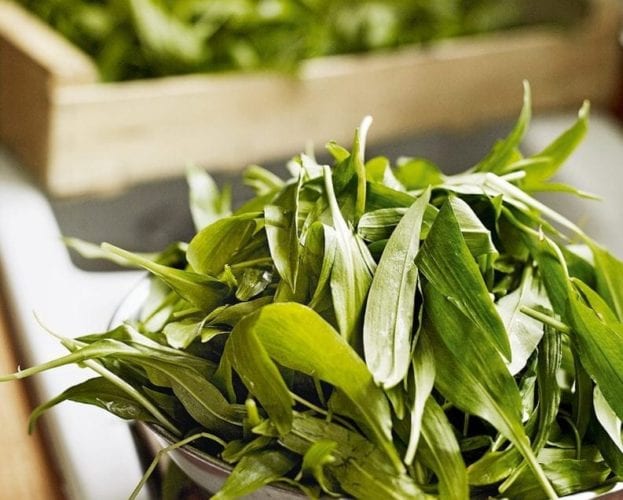
- 50g chopped wild garlic leaves
Join Extradelicious to unlock Cook Mode
Method
- Combine the butter, salt flakes and wild garlic in a bowl, then shape into a log and wrap well (see Make Ahead).
- Slice into rounds to melt into pasta or rice, or to top grilled meat such as steak or chicken, or pan-fried salmon fillets.
FAQs
Wild garlic appears as early as late February (depending on the weather) but reaches its peak in early April when it may be flowering.
The leaves have a fresh garlicky taste that’s punchy when raw but mellows when cooked.
Nutrition
- 63kcals Calories
- 6.9g (4.3g saturated) Fat
- 0.1g Protein
- 0.1 (0.1g sugars) Carbs
- no fibre Fibre
- 0.2g Salt


Leave a comment, question or tip