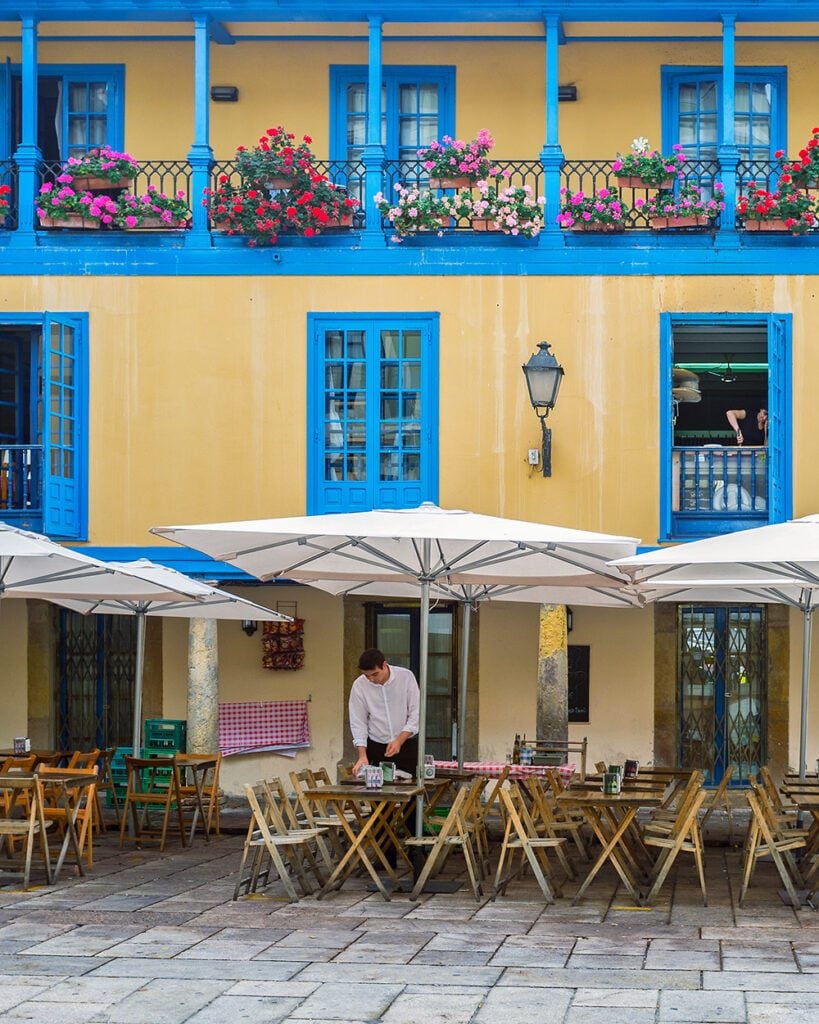
If you need to know where to eat in Oviedo, Spain, look no further. Travel writer Stephen Phelan enjoys rustic hearty stews, the best cheeses, theatrically poured cider and original sweet treats in this old-school northern Spanish city. Scroll down to discover why Oviedo is the perfect destination for a relaxed foodie break…
Where to eat in Oviedo, Spain
City guides |
July 2025

If you need to know where to eat in Oviedo, Spain, look no further. Travel writer Stephen Phelan enjoys rustic hearty stews, the best cheeses, theatrically poured cider and original sweet treats in this old-school northern Spanish city. Scroll down to discover why Oviedo is the perfect destination for a relaxed foodie break…
The capital of the mountainous, craggily coastlined rural Spanish region of Asturius, known for its dairy farming and cider making, Oviedo has medieval treasures and some seriously good rustic eats.
Where to drink cider
Oviedo is the country’s cider capital, with the surrounding province of Asturias scrolling out like an Iberian Somerset across oak forests and apple orchards. The regional food culture is rooted in sidrerías – cider houses with farmhouse kitchens – and the city is clustered with them. Enduring inn El Ovetense has been pairing that native nectar with house specials like garlic chicken since 1959, while Tierra Astur dominates the main drag Calle Gascona with three neighbouring neo-rustic taverns – huge barrels act as seating booths, combining a stylised bar & grill with a specialised deli for local produce (wild honey, deer sausage and the rest).
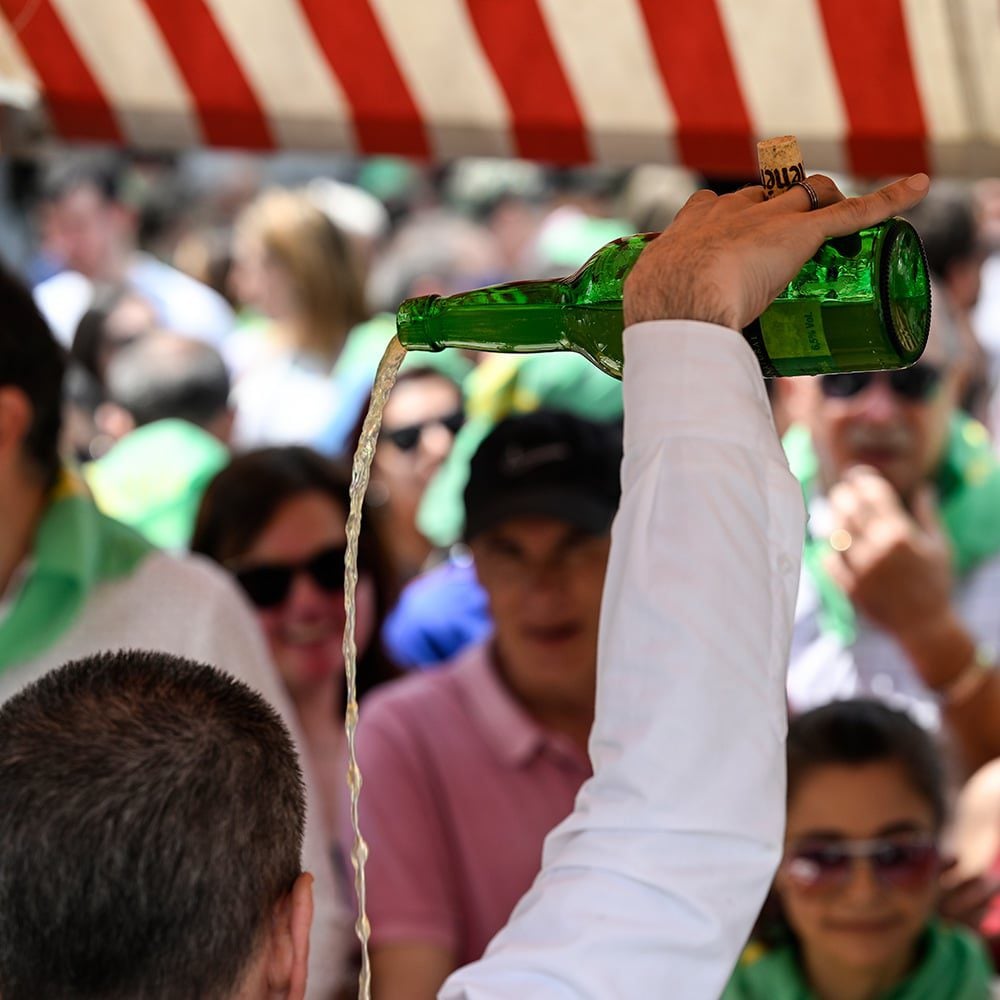
The pouring of Asturian natural cider is an esoteric art and a competitive sport, in which Guinean-born waiter/barman Salvador Ondó Bibang is a five-time world champion. This master escanciador teaches proper technique to staff and customers alike – holding the bottle above head height and the glass below the hips to let the liquid spill and splash down in aerated measures of one mouthful at a time. A gulp’s worth is called a culete.
Where to try the best pastries and sweet treats
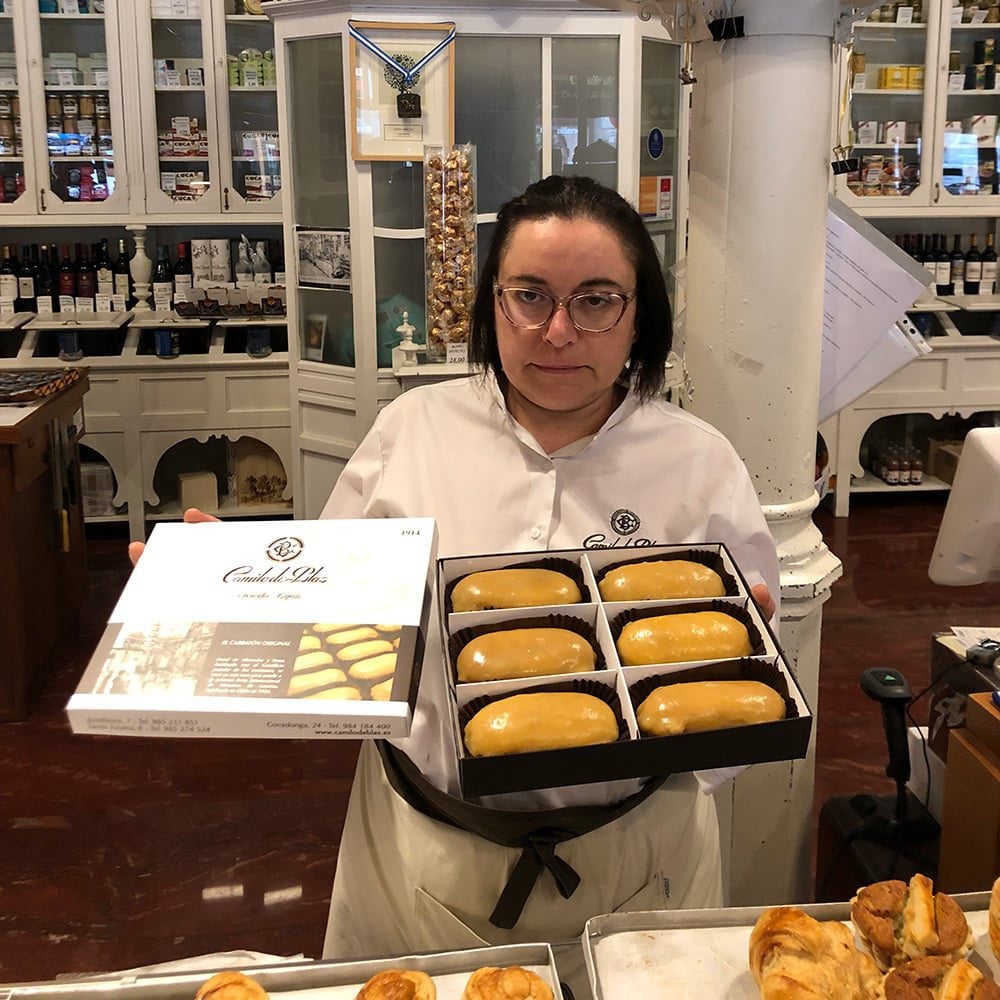
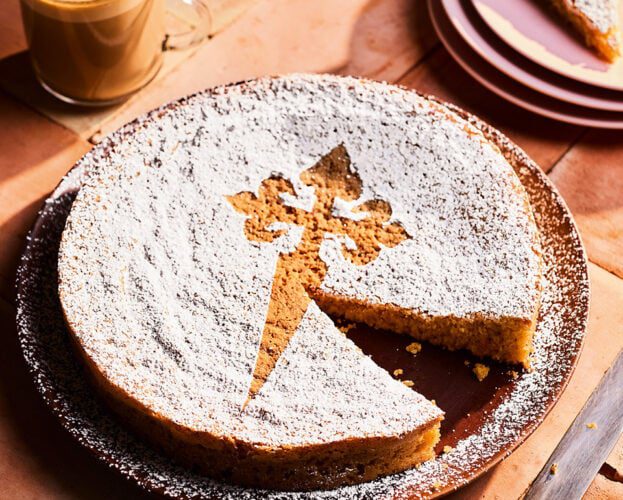
Marking its centenary in 2024, the carbayon pastry has been an edible emblem of Oviedo since it was invented for a long-ago trade fair by the son and heir of confectioner Camilo de Blas . His eponymous pastry and wine shop remains a gorgeous portal to the past, replete with its original carrara marble counter, iron columns and antique brass cash register. The carbayon is unchanged too, an exquisitely glazed and moistened blob of egg, cinnamon and marcona almonds that tends to create frenzied cravings (Scarlett Johansson became a self-confessed fiend for these while filming in the city).
The similar vintage Rialto bakery and cafe has its own totemic sweet: moscovitas – crisp almond biscuits originally covered in milk chocolate but lately available in white and dark variants.
Where to eat traditional Asturian food
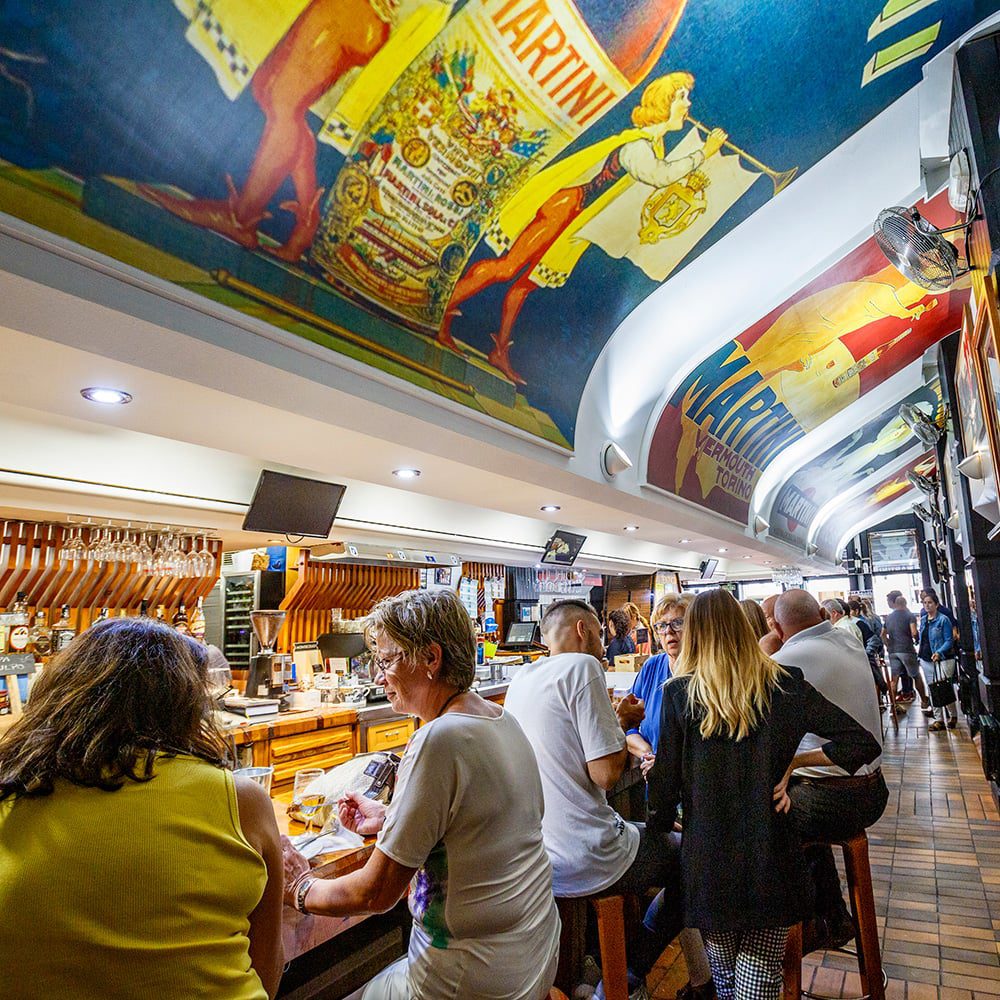
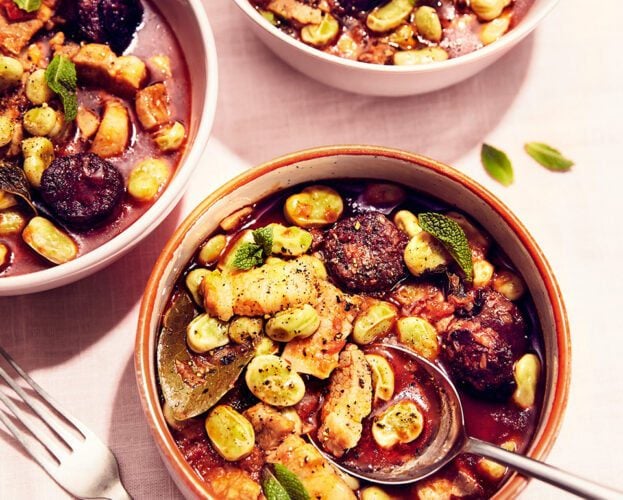
Traditional Asturian cuisine is practically Alpine in meeting the caloric demands of hardy shepherds and farmers at high elevations across the Picos de Europa and Cantabrian Mountains. Most fabled of its protein-packed one pot dishes is fabada asturiana, an extremely hearty stew of white beans, pork shoulder, chorizo and blood sausage. It’s served to subtly different house recipes all around Oviedo, from the ever-vital vermouth bar La Paloma to the genteel Casa Fermin.
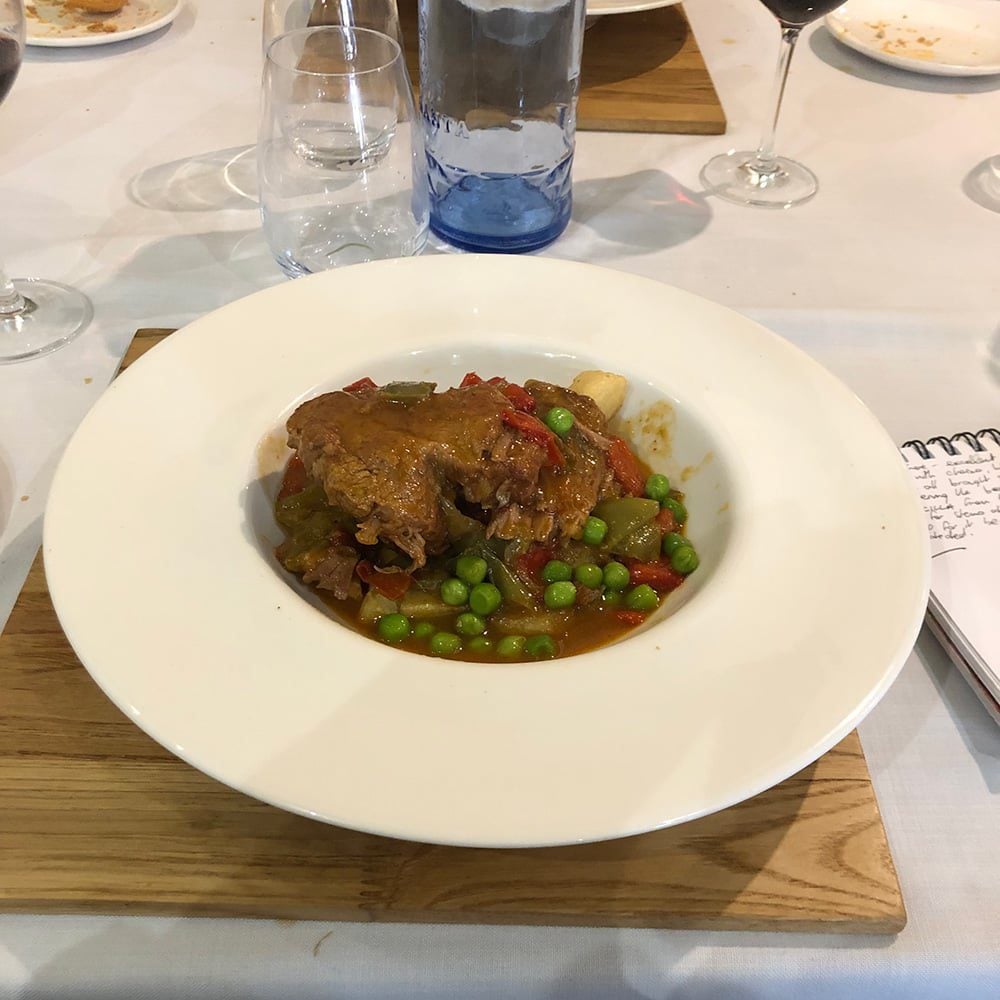
Old Town institution Casa Amparo does a fine fabada too, but also a monumental carne gobernada – a chunk of veal slow-cooked until tender with peas, peppers and potatoes.
Beloved by locals but lesser-known outside the region is pote asturiano, another stew of mixed pork cuts with cabbage. Relatively trendy pine-and-chrome cider house Alterna Sidreria has seemingly perfected an ancient formula with its own award-winning pote in recent years.
Where to find the best local cheeses
If southern Spain is the dusty territory of bulls and mules, the green and rainy northwest is a land given over to cows, sheep and mountain goats, making Oviedo a long-standing pantry for the best dairy produce on the peninsula.
Specialist stores like Fermin de Pas and the Old Town’s beautiful iron-and-glass food market El Fontan are especially well stocked with world-class Asturian cheeses, including several marked out for Protected Designation of Origin (DOP/PDO). Cabrales is a blue-veined delicacy matured in high caves, and afuega’l pitu an unpasteurised belter made with cow’s milk and often enhanced with smoked paprika. A tangy sheep’s cheese also makes its way into cachopo – breaded veal fillets served in daunting portions the size of solar panels – at venerable parkside restaurant La Corte de Pelayo.
The fine dining spots to try
Asturias produces plenty of renowned male chefs – José Andrés, for one, is now a major celebrity in the US. But provincial-ancestral recipes are habitually passed along the maternal line, and some of this city’s best kitchens are bossed by members of the Guisanderas Club, a guild created in 1997 to support female restaurateurs and preserve that heritage. José Andrés himself eats at the maximally authentic El Fartuquín, where owner Mary Fernández López cooks old-school dishes like arroz con pitu caleya (a gigantic native free-range chicken stewed with rice) having learned all the secrets of her mother and grandmother, both also chefs.
Other Guisandera-run properties include Joaquina Rodriguez’s essential hilltop refuge Casa Chema and Cafe Plaza (Plaza de Riego 1) where Lidia Vázquez creates rock-solid lunch menus from local surf and turf.
What to see in Oviedo
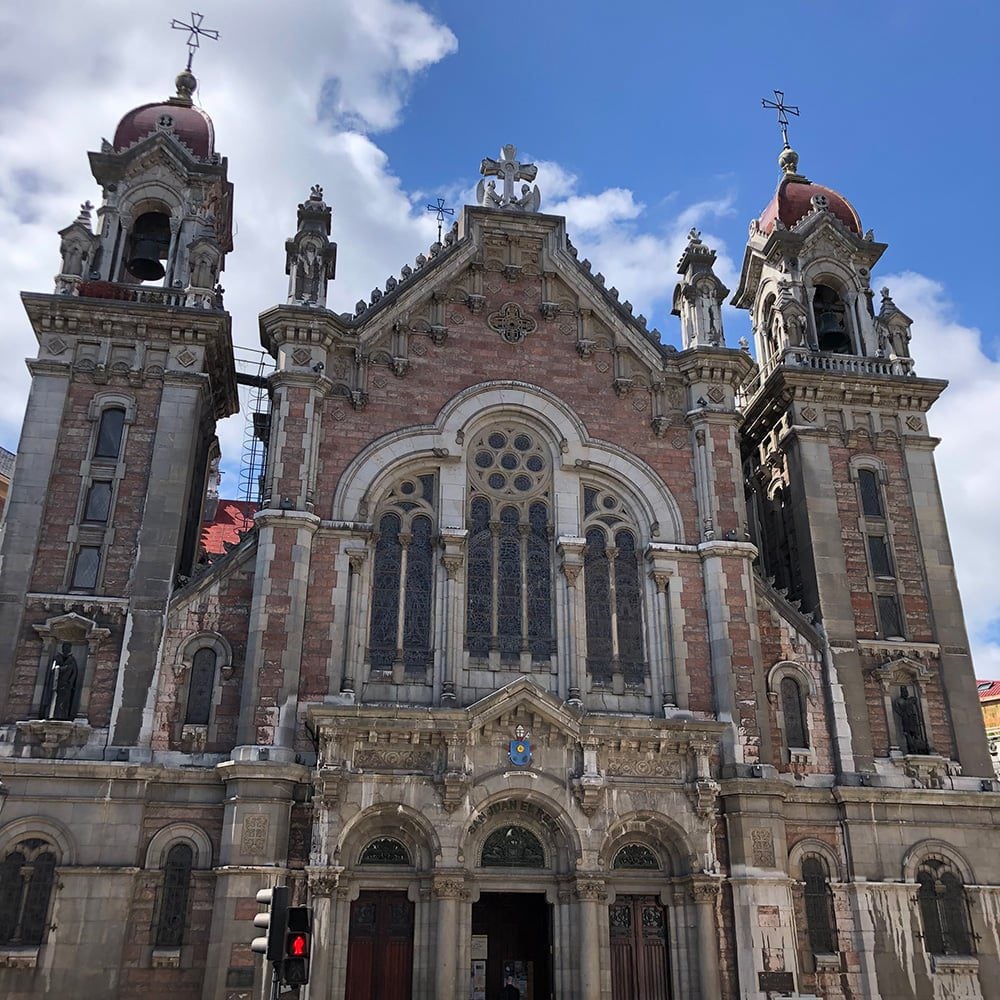
Founded in the Middle Ages, Oviedo was the seat of power for devout Visigothic kings – survey their tombs and sacred treasures on a tour of the Romanesque-Gothic-Baroque Cathedral of San Salvador (£10). Nearby in the compact medieval Old Town, the Museum of Fine Arts (free) spreads its eye-popping collection of work by the likes of Goya and Picasso across multiple centuries-old buildings. Come night-time, Oviedo’s surprisingly broad taste in music ranges to Latin dance-pop, live punk, and Celtic-Asturian folk tunes at venues like La Salvaje.
Where to stay
- Eurostars Hotel de la Reconquista occupies an 18th-century orphanage and hospital with considerable old-world grandeur in the city centre. B&B doubles from £100.
- Just outside town, spa retreat Gran Hotel las Caldas by Blau reposes in a hillside sprawl of manicured gardens and bathhouses. B&B doubles from £150.
How to get there
Vueling flies from London Gatwick to Oviedo daily from £60 return.
For more foodie adventures, destination inspiration and hotel reviews, visit the delicious. travel hub.

Subscribe to our magazine
Food stories, skills and tested recipes, straight to your door… Enjoy 5 issues for just £5 with our special introductory offer
By joining our newsletter you agree to our
Privacy Policy