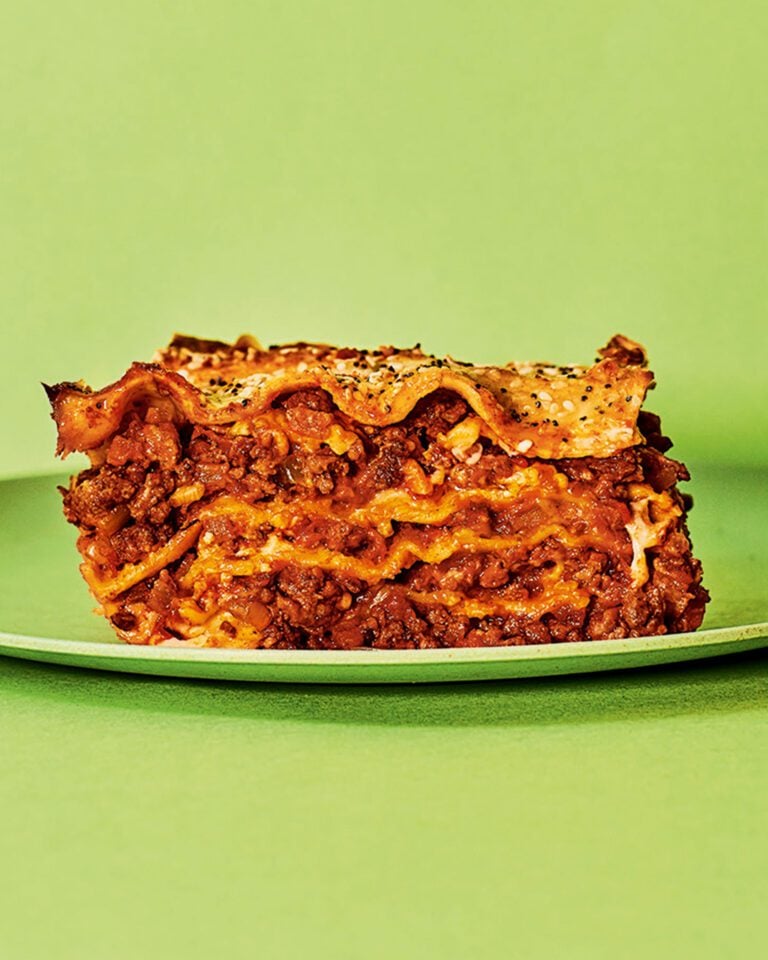


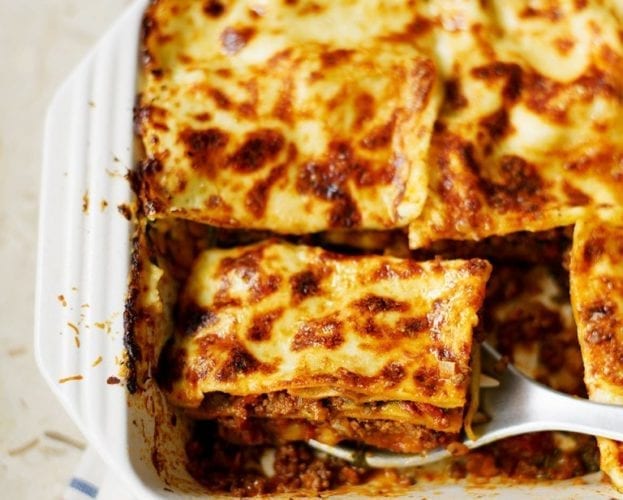
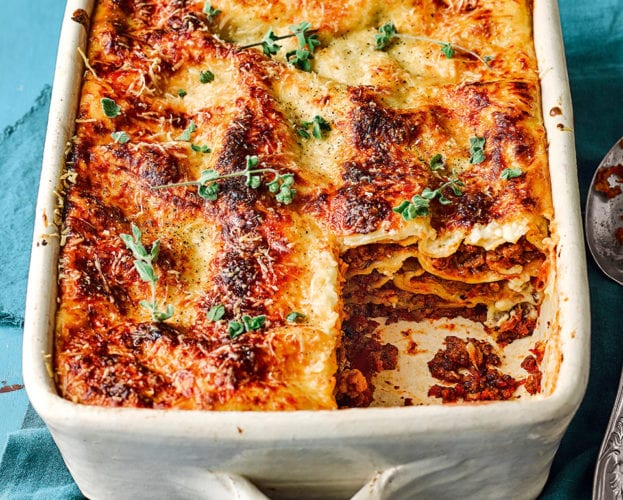
Looking for the best lasagne recipe? This is it: a saucy, slow-cooked, meaty ragù enhanced by a rich, cheesy brown-butter bechamel and layered between al dente pasta sheets with a tiny bit of crunchiness on top. Food producer Pollyanna Coupland has researched the recipe to bring you the ultimate version of this pasta bake.
- Tried and tested recipe: “While I’m not veering from the original concept of lasagne (meat ragù, bechamel and pasta), I certainly can’t claim that my recipe is ‘authentic’,” says Pollyanna. “But in my opinion, this is the best version of that dish: sturdy, rich and balanced.”
- How to make great ragù: “As the Italians often do, I’ve opted for a half beef mince, half pork mince approach. Pork mince is fattier and more tender than beef, resulting in a softer texture and a more flavourful filling. Cook the mince in a large pan over a high heat, ladling out any liquid released by the meat so it gets a good caramelisation – it’s ready when it’s properly brown, rather than a dull grey.”
- Best-ever bechamel: “Regular bechamel is relatively bland (save for a little nutmeg spicing), so my secret trick is to make a brown butter bechamel. It’s easy – when melting the butter for the roux, just keep it foaming away for a little longer until it turns nutty brown, then add the flour and milk as normal. I also add mozzarella, parmesan and a splash of vinegar to the sauce when it’s done – traditional it is not, but delicious it most certainly is.”
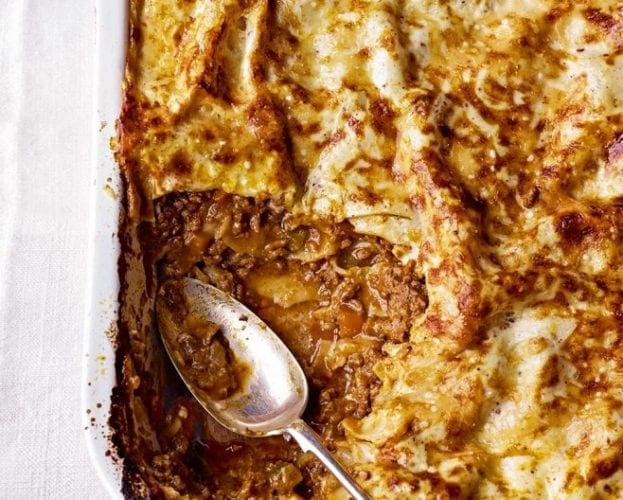
- Crispy topping: “A crisp top is key to add a little interest, so I suggest always finishing your lasagne with pasta sheets topped with bechamel and extra grated parmesan – the sauce will cook the pasta through but let a few corners poke out and caramelise in the oven.”
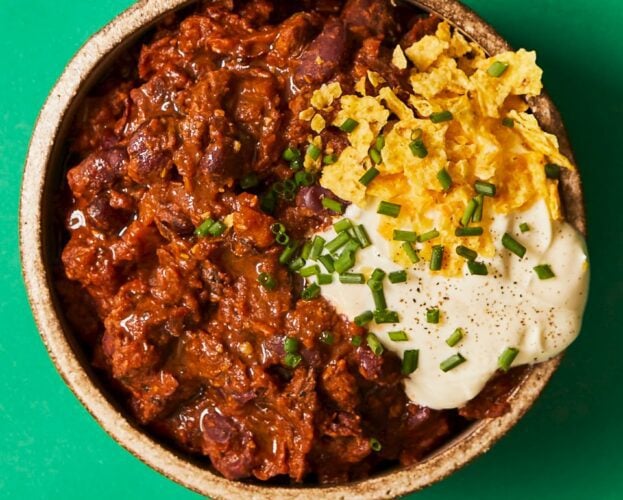
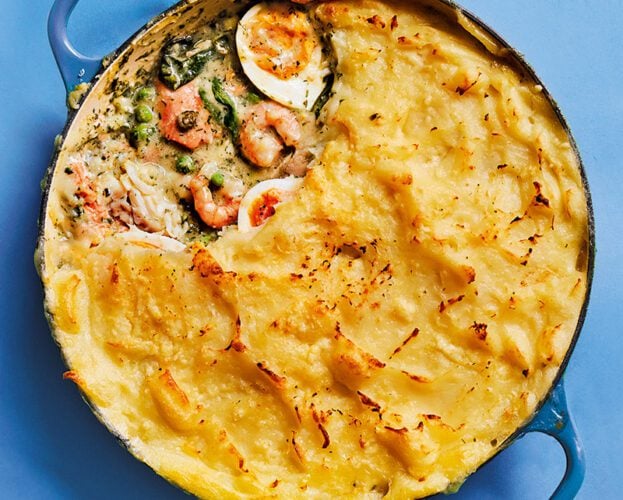
Want to understand the secrets behind this recipe’s greatness? Read our full guide to cooking the best lasagne you’ll ever make. Check out our best-of-the best recipes hall of fame too, including the ultimate fish pie and chilli con carne.

Ingredients
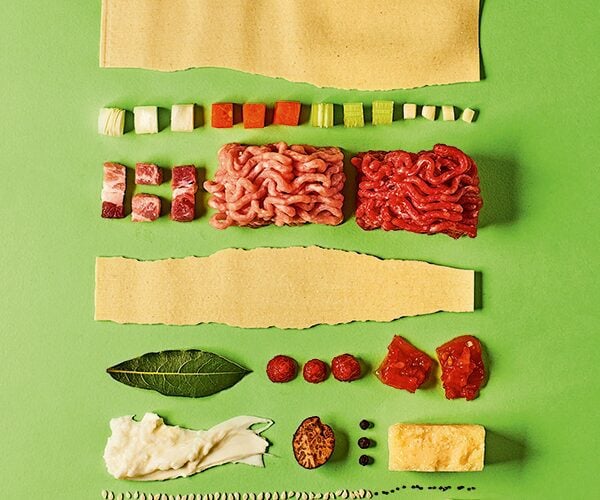
- 12 or so dried lasagne sheets (depending on the dish size)
- 1 tsp sesame seeds
- 1 tsp poppy seeds
- 20g parmesan, finely grated
For the ragù
- 3 tbsp olive oil
- 500g pork mince (not lean)
- 500g beef mince (not lean)
- 100g diced pancetta
- 1 onion, finely chopped
- 4 garlic cloves, finely sliced
- 2 celery sticks, finely chopped
- 1 large carrot, finely chopped
- 80g tomato pureé
- 300ml red wine
- 400g tin chopped tomatoes
- 400g passata
- ¼ bunch thyme, tied with string
- 1 bay leaf
- 150ml whole milk
For the bechamel
- 80g unsalted butter
- 80g plain flour
- 750ml whole milk, warmed
- 125g ball mozzarella, torn
- 20g parmesan, finely grated
- ¼ nutmeg, finely grated
- 1 tsp cider vinegar
Specialist kit
- Deep rectangular baking dish (about 30cm x 20cm)
Method
- First make the ragù. Heat 2 tbsp of the oil in a large heavy-based saucepan over a high heat and brown the mince, straining off liquid if necessary. Once browned, set aside the mince on a plate. Adjust the heat to medium and add the remaining 1 tbsp oil (if needed), the pancetta, onion, garlic, celery, carrot and a pinch of salt. Cook, stirring, for about 8 minutes until everything is softened but not coloured.
- Stir in the tomato pureé and the mince, cook for a minute, then deglaze the pan with the red wine, scraping up any bits stuck to the bottom. Bring to a simmer and cook until the liquid has reduced by around a third (about 5 minutes). Add the tinned tomatoes, passata, herbs and milk. Stir, then cover with a lid and cook gently for 45 minutes. Remove the lid and simmer for 30 minutes more – you want a nice saucy ragù so keep an eye on it, turning the heat down or adding a little water if needed.
- Meanwhile make the brown butter bechamel. Melt the butter in a large pan over a medium heat and cook until the white solids have turned brown and smell nutty (about 8 minutes). Stir in the flour, cook for a minute while stirring, then whisk in the milk, bit by bit, until you have a smooth sauce. Add the mozzarella and the parmesan, then stir until melted. Add the nutmeg and vinegar, then season to taste.
- Heat the oven to 170°C fan/gas 5. Spoon some of the ragù into the dish (discarding the bay leaf and thyme). Cover well with lasagne sheets, snapping them into pieces if needed, followed by some bechamel. Repeat with another 2-3 layers (ragù, pasta, bechamel), making sure the final two are pasta and bechamel. Sprinkle with both seeds and the parmesan, then put the dish on a baking sheet and cook for 45-50 minutes until golden and bubbling. Remove from the oven and set aside for at least 10 minutes before serving.
FAQs
Dried pasta sheets are best as they provide the necessary structure for distinct layering. They don’t need to be par-boiled either, as some recipes state (this can make the sheets stick together). The moisture in the ragù and bechamel should be enough to ensure the pasta softens during the long, slow bake.
Classic ragù should be thick and sturdy; if you chill the sauce it should turn almost solid. We don’t want to take it quite that far for this (as the liquid in the sauce is what cooks the pasta), but you don’t want it to be watery – it should cling to your spatula.
When it comes to tomatoes, I like to use a mixture of passata, purée and tinned chopped tomatoes to get a perfect balance of texture and sauciness.
Serve your lasagne with a simple salad of basil leaves dressed in olive oil and balsamic vinegar. The basil stays super fresh and aromatic (unlike when it’s included in the lasagne itself), cutting through the richness of the lasagne beautifully. Having said that, I also absolutely love to serve lasagne with chips and garlic bread – a tremendous trio of carbs – so you do whatever you want…
Nutrition
- 792kcals Calories
- 43g (20g saturated) Fat
- 43g Protein
- 48g (15g sugars) Carbs
- 4.5g Fibre
- 1.1g Salt

Leave a comment, question or tip