Learn
Who wouldn’t love to feel more confident in the kitchen? Learn step-by-step cooking skills from our how-to videos (including how to make the perfect vegan curry and how use up leftover chicken in an indulgent pasta bake...), find answers in our Cook’s dictionary which takes you through an A to Z of ingredients and techniques. And find yourself, or a friend, a great cookery school to try.
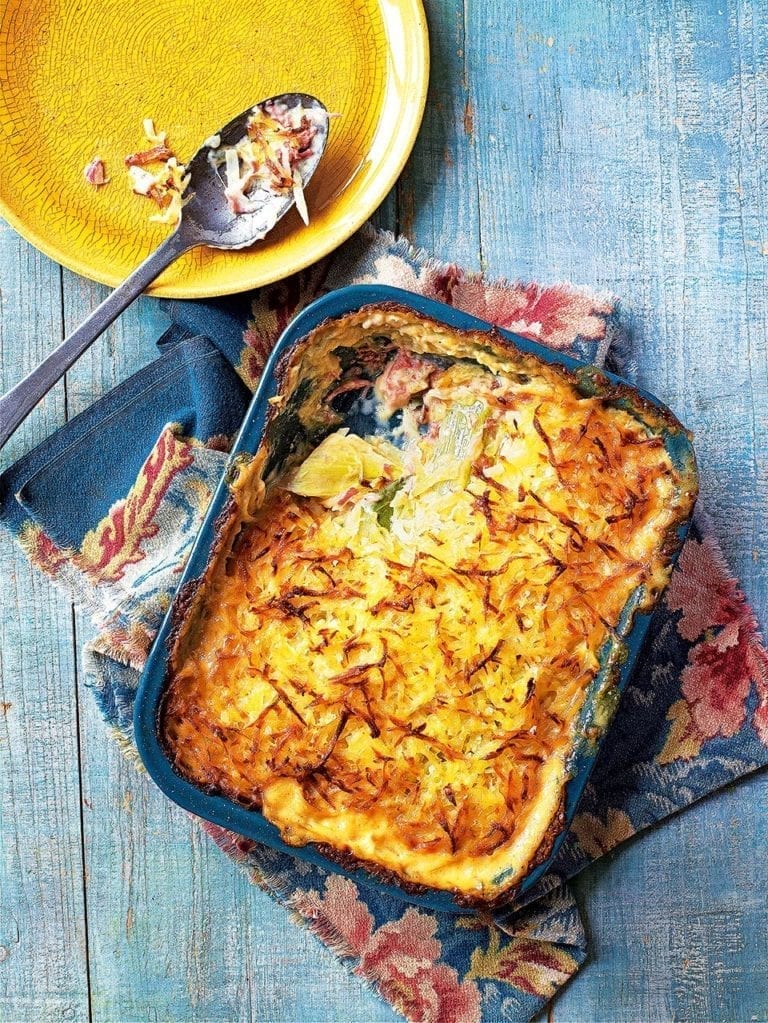
Gratin
A wonderful dish of French origin, typically made with multiple layers of finely sliced potatoes (though other vegetables could be used), milk or cream and garlic.

Amaretto
Amaretto is is a sweet almond-scented liqueur that is often used in Italian desserts or enjoyed as an after-dinner tipple.
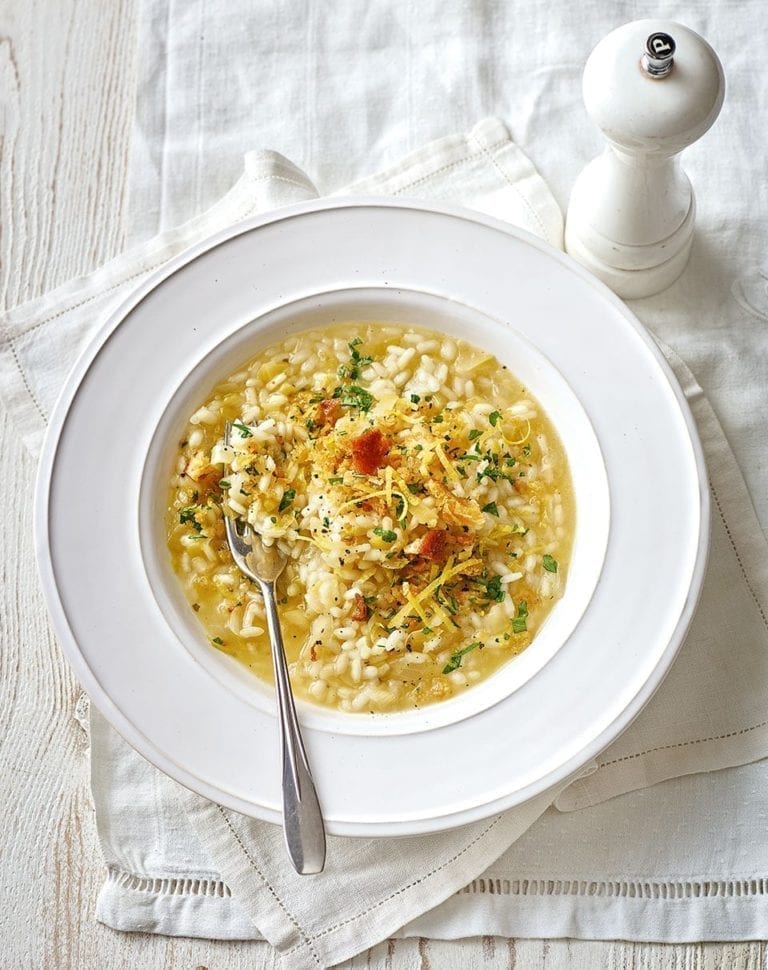
Arborio rice
Arborio rice is a starchy rice, which takes its name from a village in the Piedmont region of north-west Italy. It's most commonly used in risottos because it absorbs more liquid than other varieties and has a creamy texture when cooked.
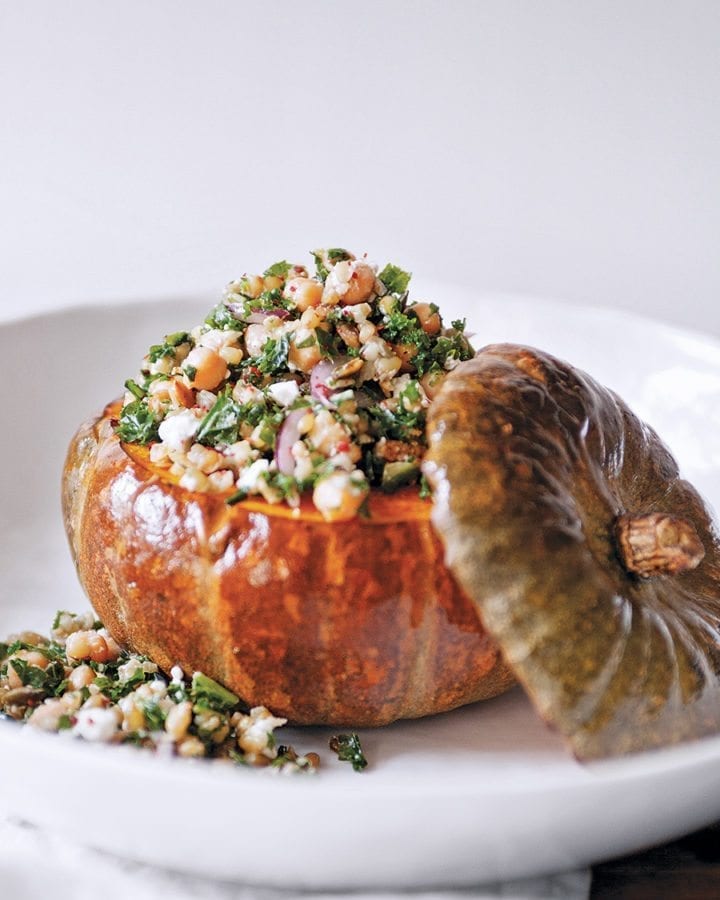
Bulgur wheat
Bulgur (or bulgar) is a cereal made with wheat – usually durum wheat – that’s widely used in Turkish and Middle Eastern cooking.
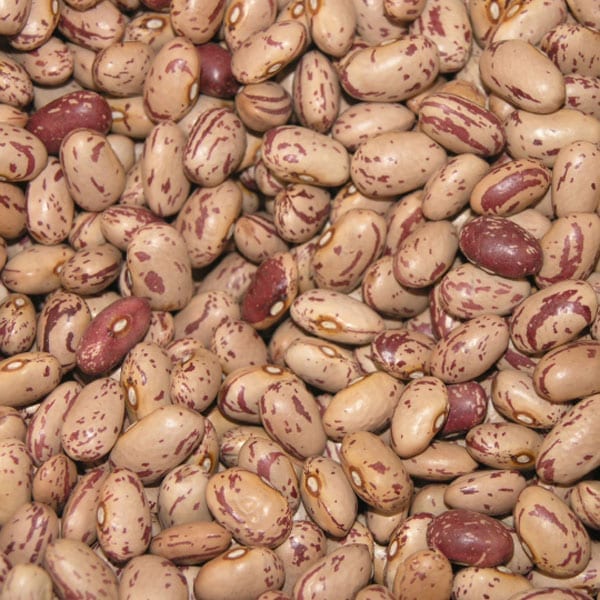
Borlotti beans
Borlotti beans are popular due to their sweet flavour, meaty texture and soothing creaminess. If you’re using the dried kind, soak for eight hours before simmering gently for an hour and a half.
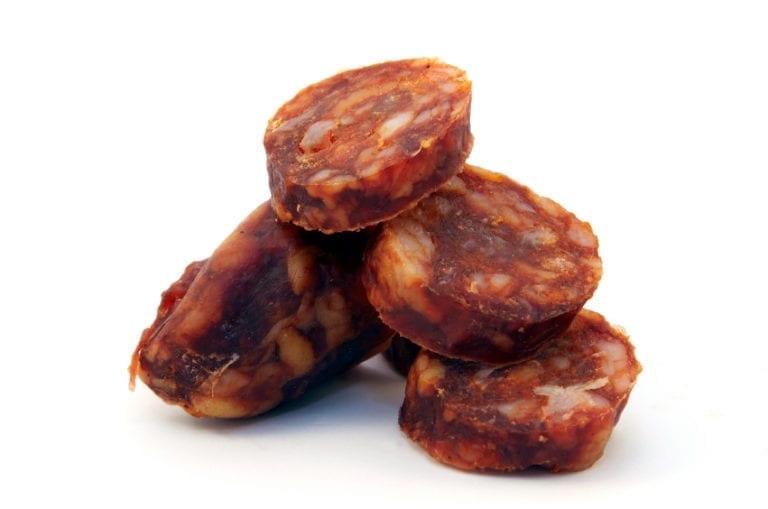
Chorizo
Chorizo is a type of Spanish sausage made using pork, peppers and garlic. It's unique spiciness comes from the paprika.
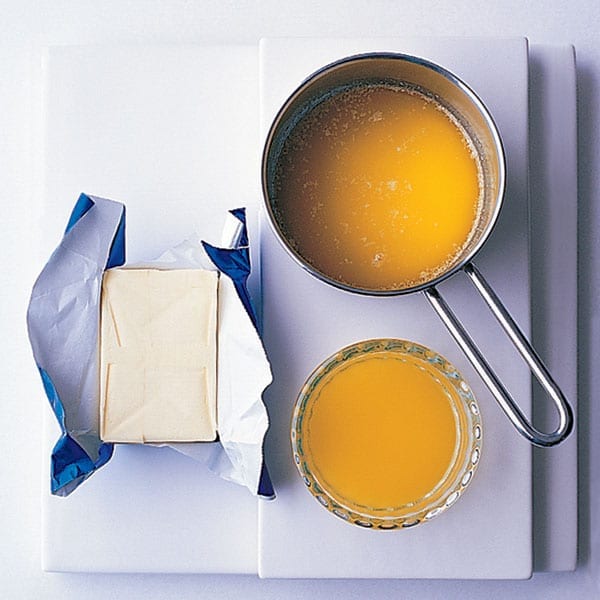
Clarified butter
Clarified butter is rendered butter once all the milk solids have been removed. When butter is melted, it separates into three layers. The top layer is a white frothy foam (the whey), to be skimmed and discarded. The bottom layer is the milk solids.
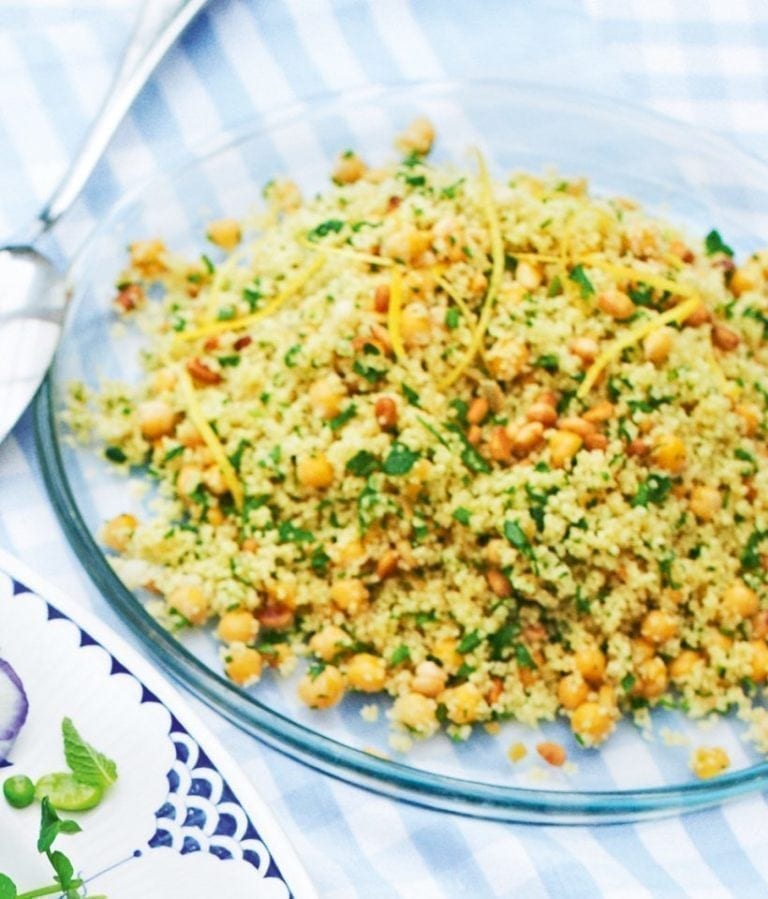
Couscous
Couscous is a versatile cereal made from semolina and water and is a popular alternative to rice and pasta. It's often used in salads and Middle-Eastern and North African cooking.

Coulis
A coulis is made by cooking and puréeing fruit or vegetables, then straining it through a sieve and mixing with sugar or liqueur.
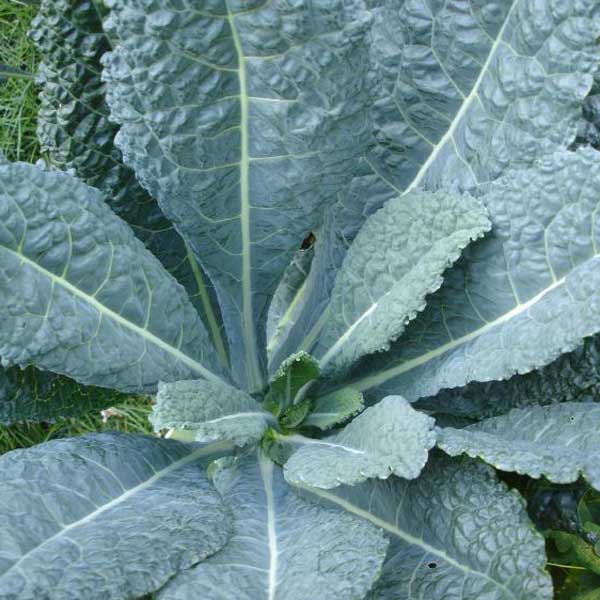
Cavolo nero
Cavolo nero originates from Tuscany and is also know as 'black kale' or 'Tuscan kale'. It's dark green colour makes it rich in iron whilst its thick leaves makes it a great addition to soups and casseroles.
Subscribe to our magazine
Food stories, skills and tested recipes, straight to your door… Enjoy 5 issues for just £5 with our special introductory offer