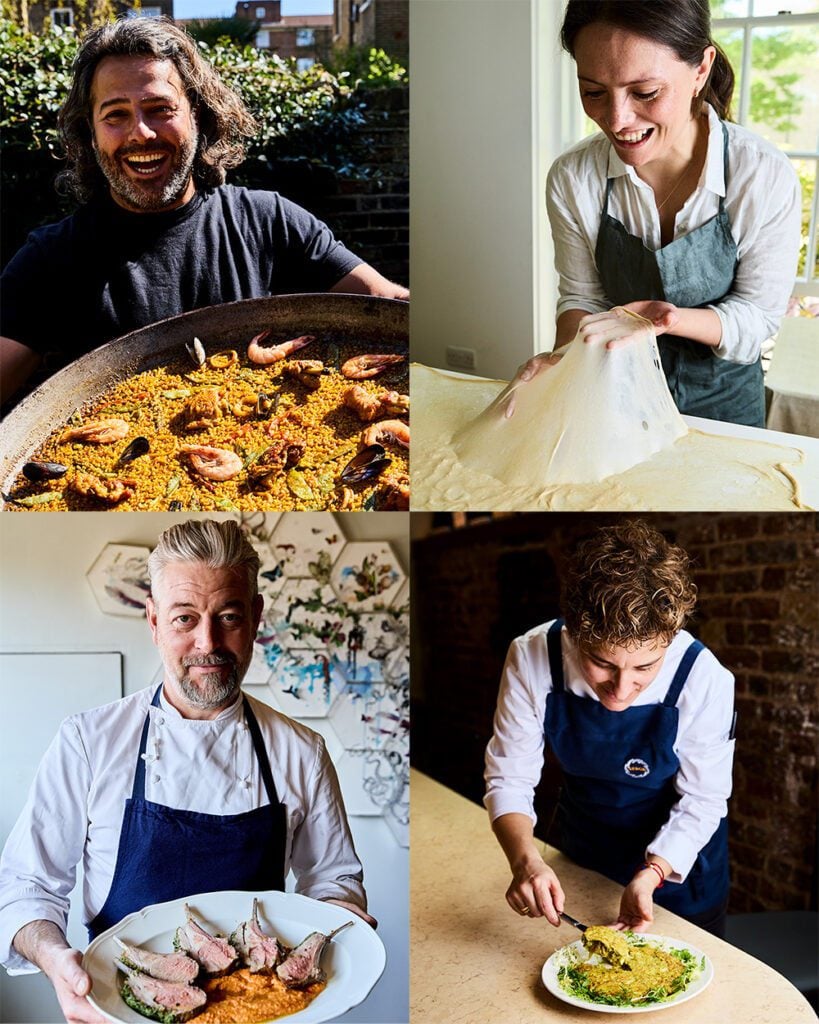
Want to make Spanish food like a pro? We asked leading chefs and experts for their top tips for cooking Spanish cuisine. Learn the secret to a perfect paella, how to make the juiciest pan con tomate and the ultimate Spanish tortilla. Scroll on down for expert pointers from Michelin-recognised chefs including Nieves Barragán Mohacho and Adam Byatt, paella king Omar Allibhoy and star baker Nicola Lamb. Plus, we share a few tricks from the delicious. test kitchen.
7 expert tips for cooking Spanish cuisine
Skills |
July 2025

Want to make Spanish food like a pro? We asked leading chefs and experts for their top tips for cooking Spanish cuisine. Learn the secret to a perfect paella, how to make the juiciest pan con tomate and the ultimate Spanish tortilla. Scroll on down for expert pointers from Michelin-recognised chefs including Nieves Barragán Mohacho and Adam Byatt, paella king Omar Allibhoy and star baker Nicola Lamb. Plus, we share a few tricks from the delicious. test kitchen.
7 expert tips for cooking authentic Spanish dishes
These clever hacks and expert techniques take Spanish cooking to the next level. From incredible paella to a Michelin-level chef’s secrets to making the perfect tortilla, there’s bound to be a trick or two below to add to your culinary know-how…
1. Create jagged ‘cascada’ potatoes
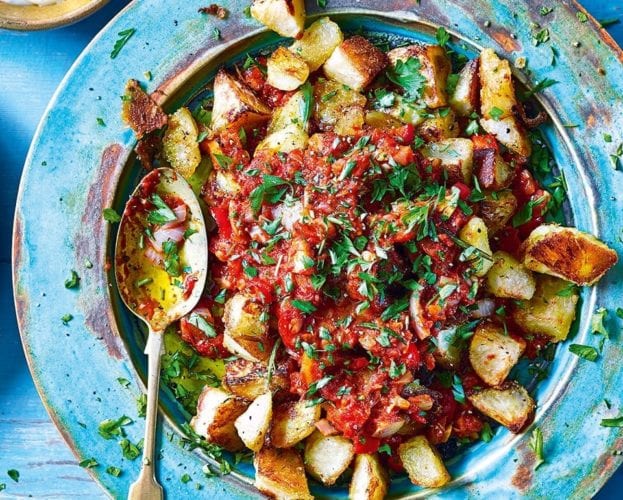
The Spanish have an inspired potato cutting technique you have to try. It’s called the ‘cascada’ and results in a jagged piece of potato that releases its starch into your dish. To do it, cut halfway into a potato, then twist your blade to snap a piece off.
Add cascada potatoes to soups and stews to thicken them, or deep-fry for irresistibly crispy results. Head to our Instagram feed to watch delicious. head of food Tom Shingler show you how it’s done.
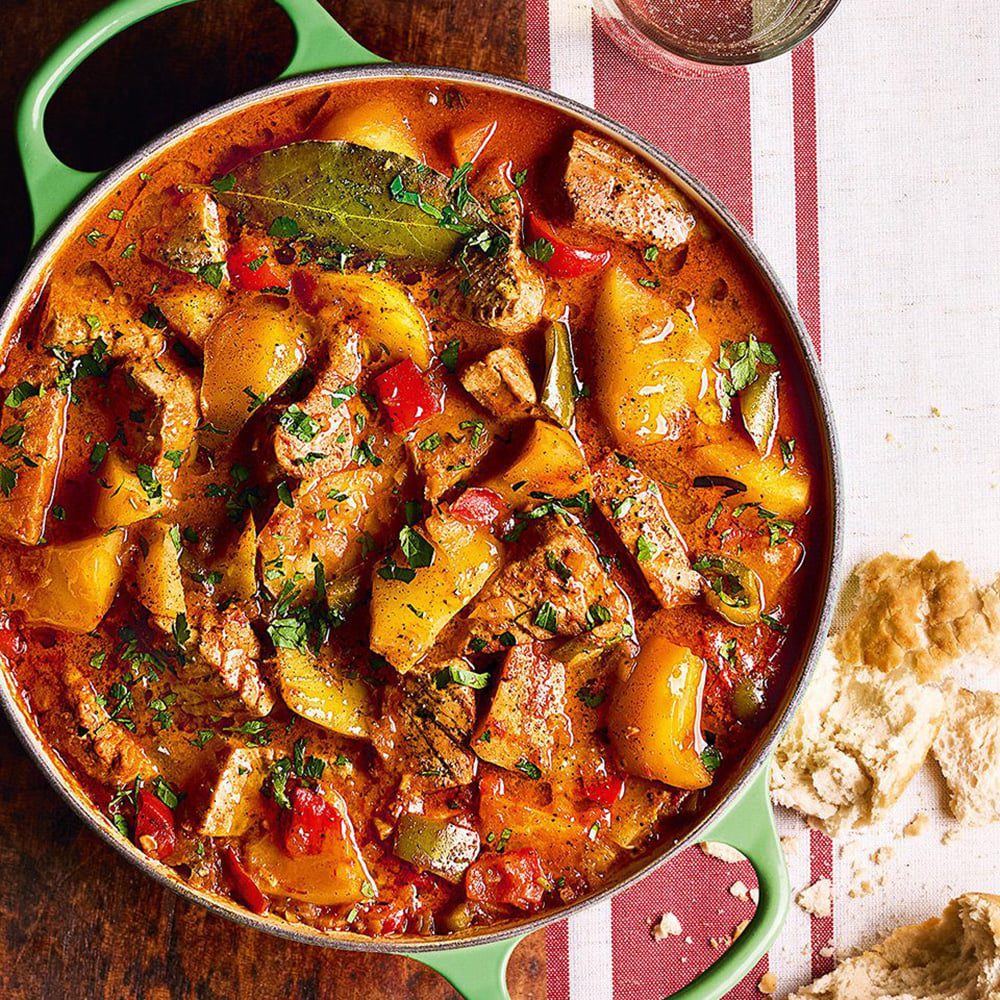
Try it in… Marmitako (Basque tuna stew)
2. Grate your tomatoes
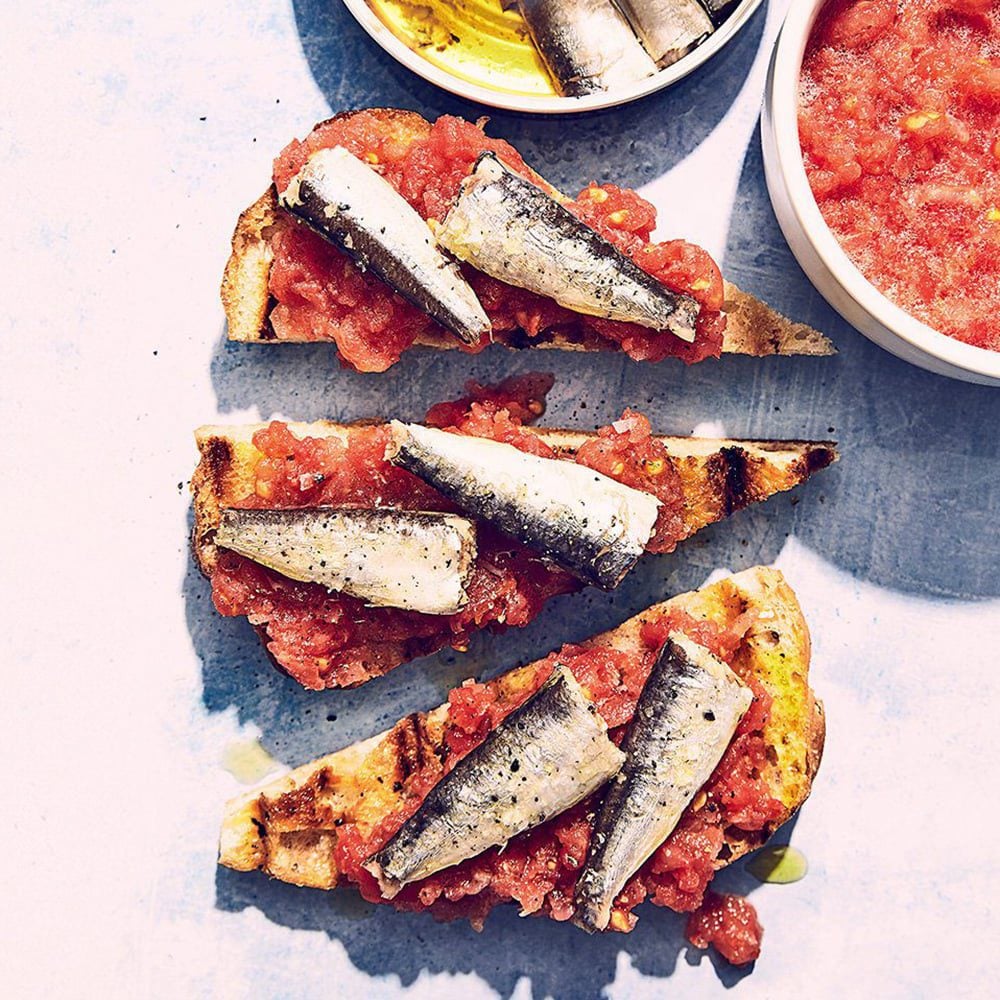
Pan con tomate is a classic Catalan dish of crusty bread or toast rubbed with garlic, olive oil and salt and topped with fresh tomatoes. Use the juiciest, ripest tomatoes you can find (homegrown ones are ideal for this), and don’t slice them… grate them. Grating tomatoes is a quick and easy way of creating a fresh tomato pulp. The delicious. food team recommend cutting the tomato in half horizontally first. Do this and you should be able to grate down all of the way to the skin (but do take care).
Try it in… Pan con tomate with sardines
3. Make romesco in stages
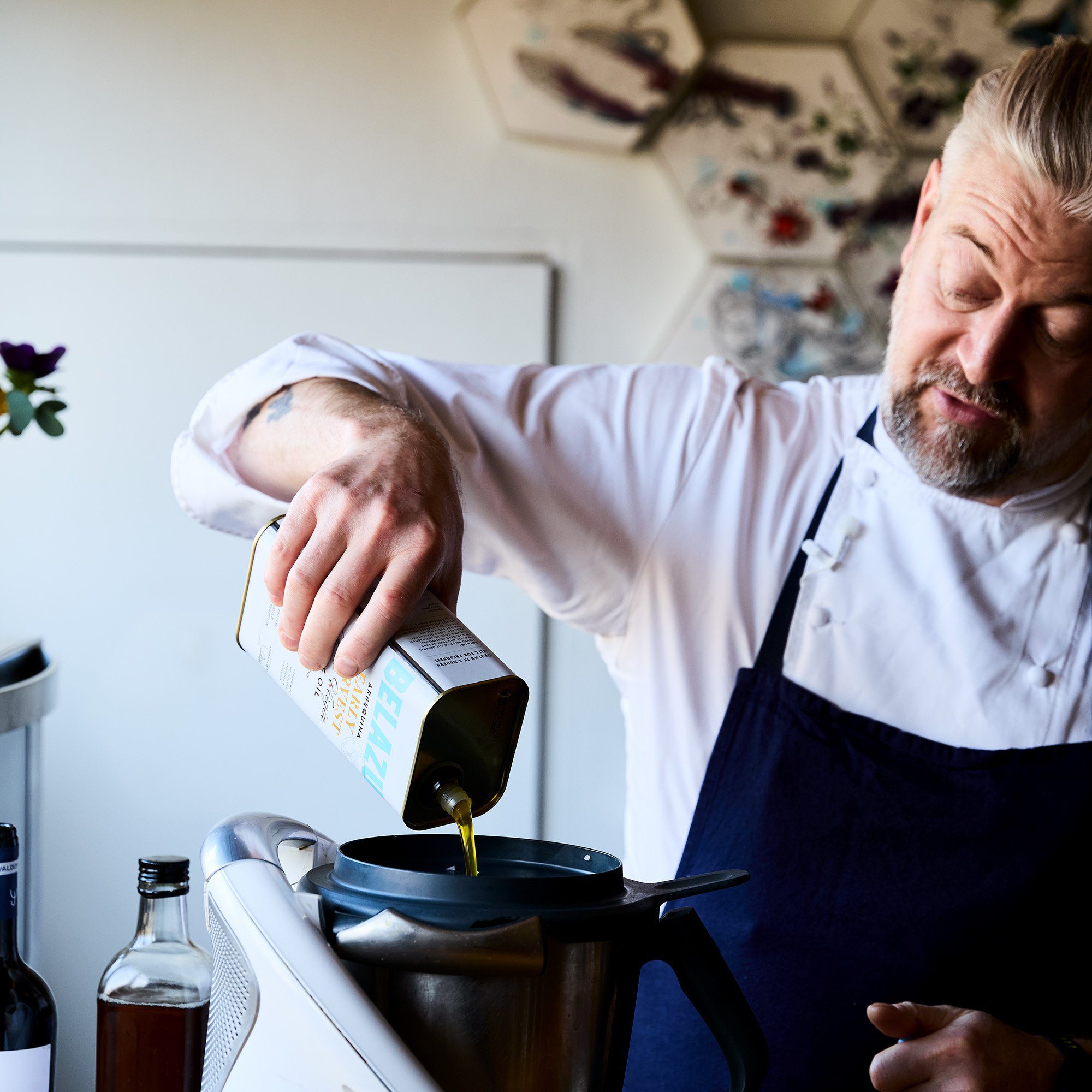
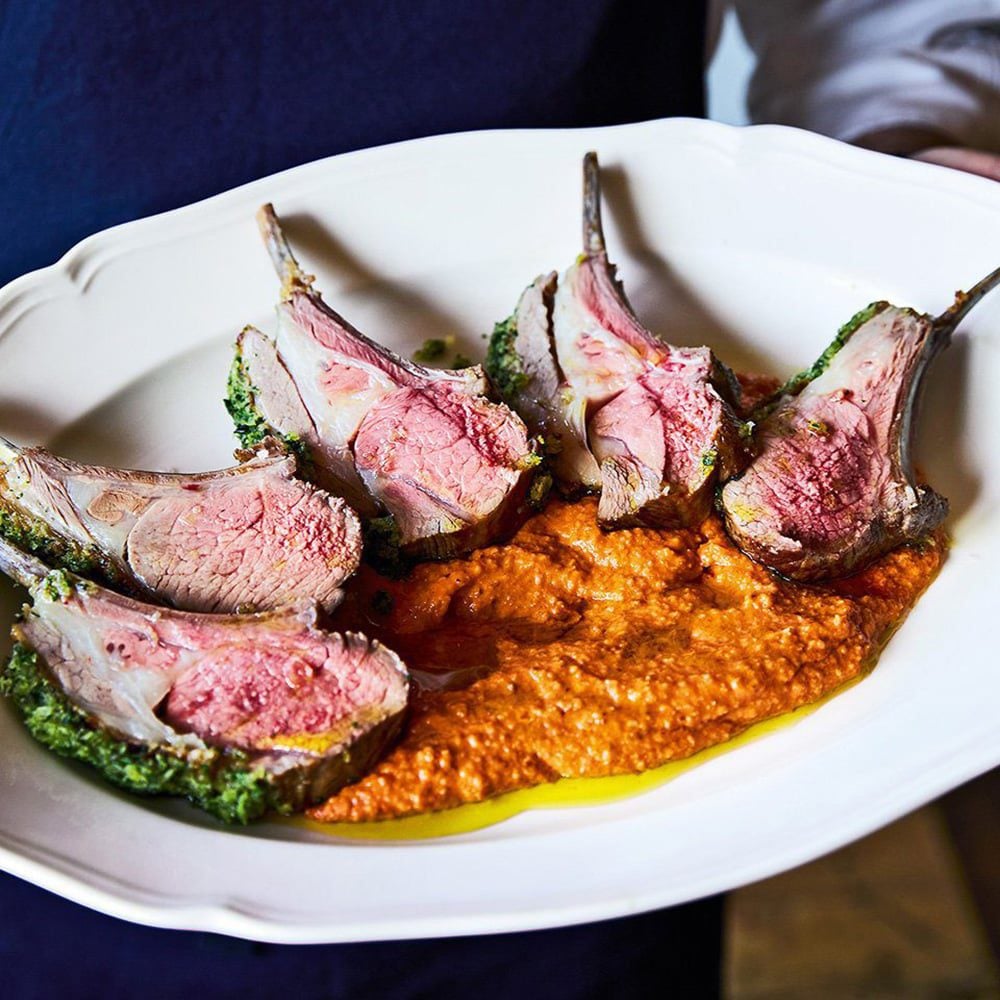
Romesco is a piquant sauce made with peppers, tomatoes and nuts (usually almonds). This versatile sauce goes with lamb, fish, chicken, vegetables and bread. Chef Adam Byatt has some tricks up his sleeve when it comes to romesco. Firstly, he suggests using hazelnuts instead of the more common almonds, as they have more flavour. Secondly, he suggests making the romesco in stages. “My advice for getting the texture of the sauce right is to add the components to the blender in stages, so you can get the peppers fairly smooth but keep some texture with the nuts,” says Adam.
Try it in… Adam’s herb-crusted lamb rack with romesco sauce
4. Stop stirring paella
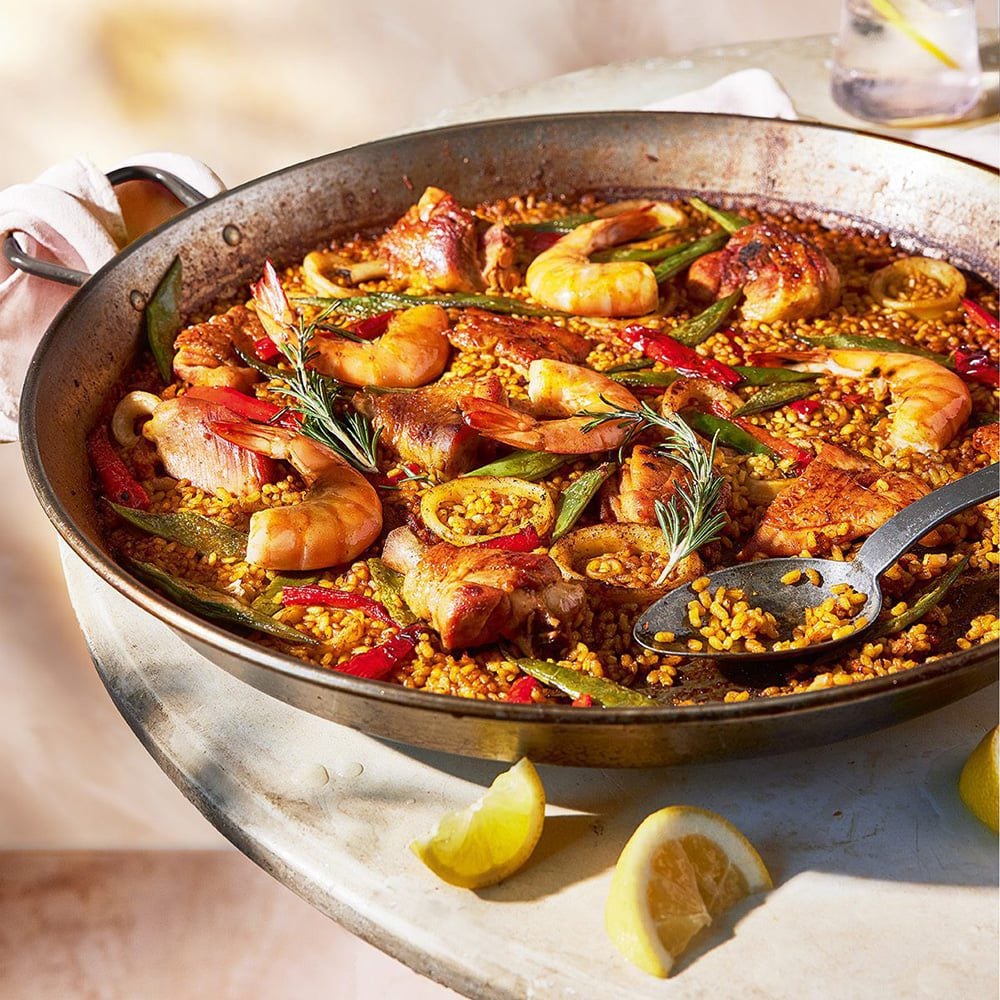
Chef and paella expert Omar Allibhoy has one request when it comes to stirring your paella: stop! “Once the rice and stock are added to the pan, you tend to have around 8-10 minutes cooking it at a high heat, then another 8-10 minutes at a very low heat to finish it off,” says Omar. “Generally the less you stir a paella the better, but for those final 8-10 minutes it’s very important not to move anything around. This is because you want the rice to settle and form a compact layer that will eventually fry once the stock has been absorbed, creating the famous socarrat (crispy base).”
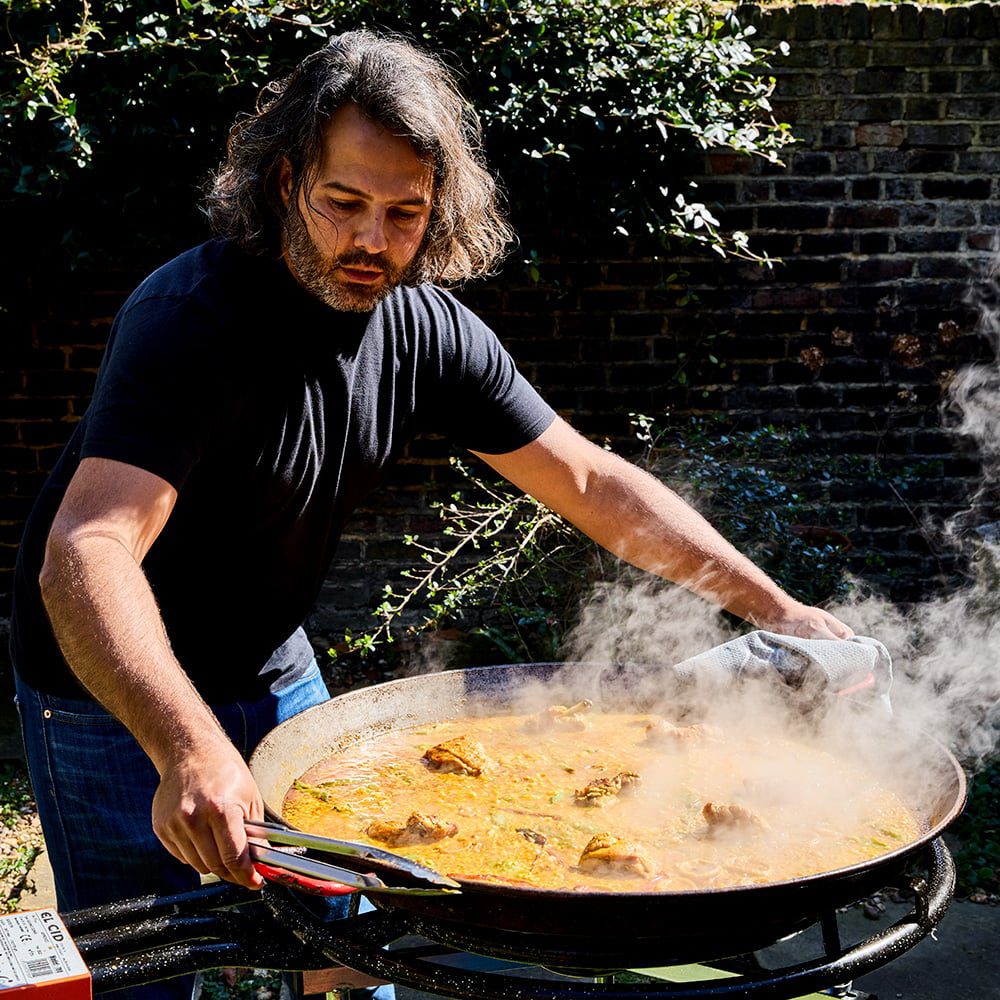
During the first 8-10 minutes, limit your stirring to brushing rice grains off of any other ingredients if they’ve gotten stuck to them, to avoid undercooked grains.
Try it in… Omar’s paella mixta (chicken and seafood paella)
5. Use a wok to cook migas
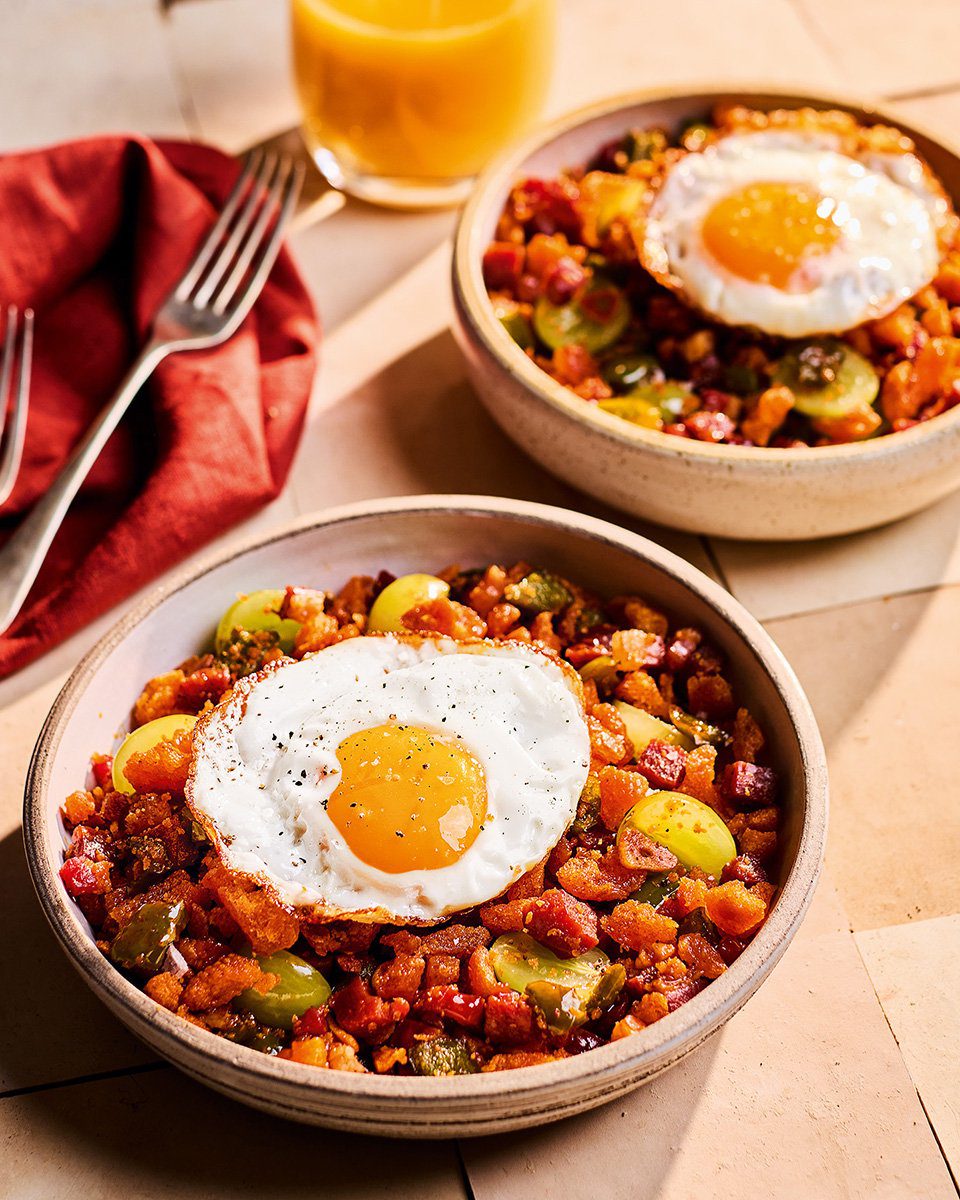
Migas is a budget-friendly favourite in Spain: stale, torn bread fried with bacon and vegetables, and often topped with an egg. In the delicious. test kitchen we get the best migas by using a wok instead of a regular frying pan. The deep sides of a non-stick wok work brilliantly as you can move the chunks of bread around to stop them burning before they’ve crisped up. Sprinkle the bread pieces with water before adding to the pan for the perfect texture combination of crisp and chewy.
Try it in… Spanish migas with fried eggs
6. Grease your hands when making ensaïmada
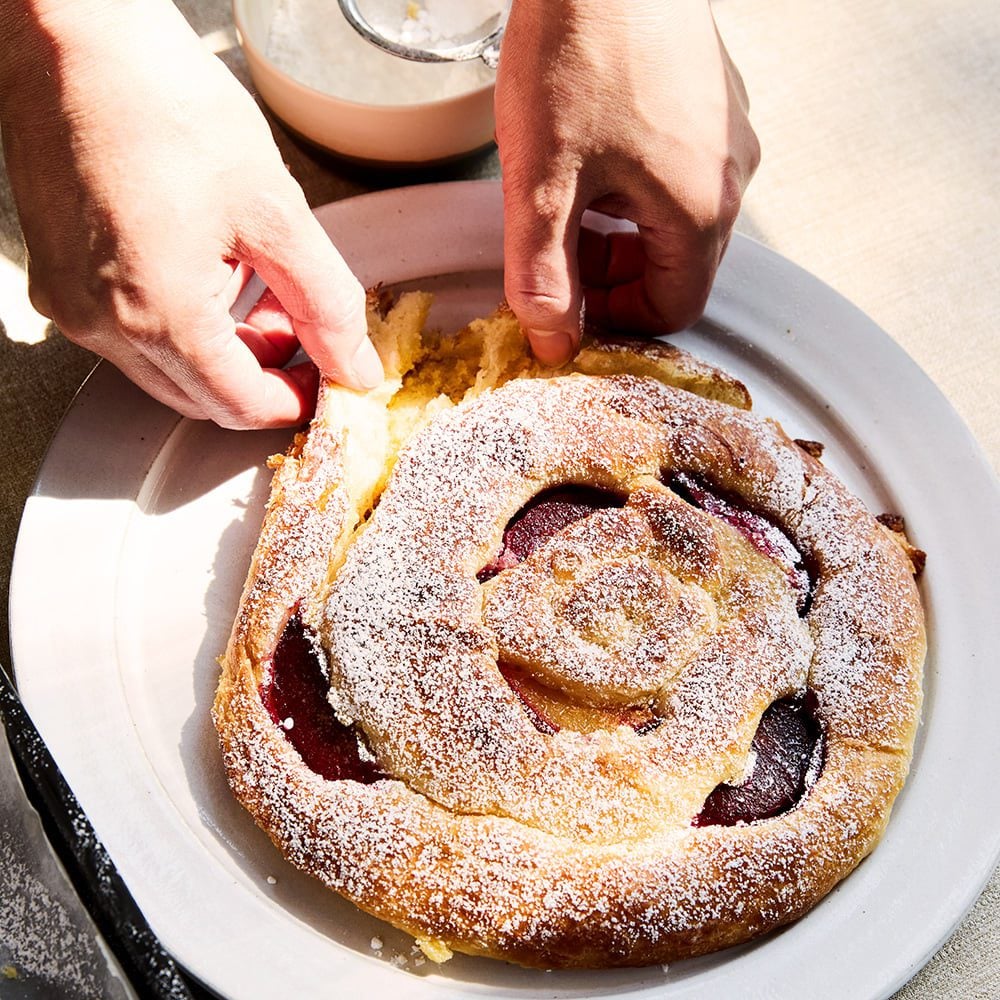
If you’ve been on holiday to Mallorca, you’re bound to have encountered the ensaïmada. This delicious pastry pinwheel has a gorgeous pillowy texture. Pastry chef and author Nicola Lamb loves baking this Mallorcan treat. “Ensaïmadas are fun to make because you stretch the dough really thin by hand – don’t worry if there are a few tears! The rolling and coiling process creates so many little layers that holes and tears are easily covered, and you can use a dough scraper to help you,” she says.
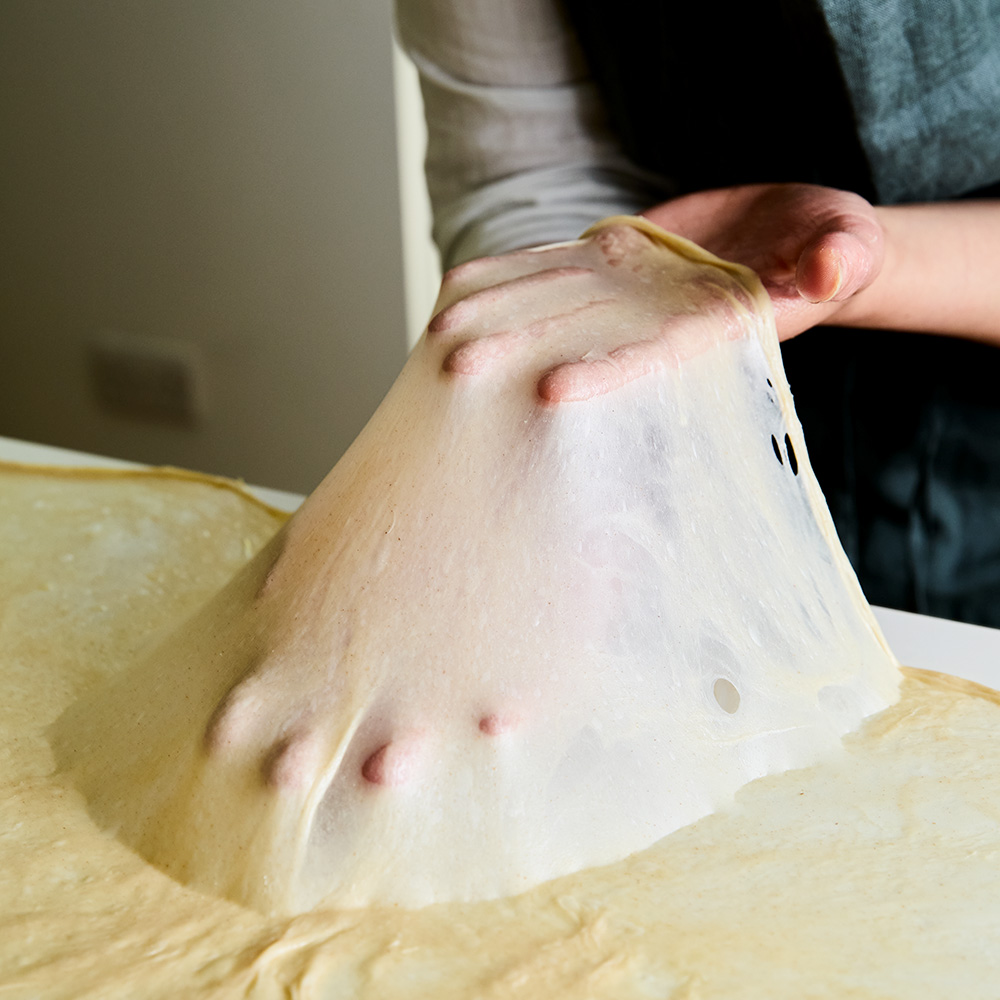
Nicola also recommends greasing your hands before tackling the dough. “You need lots of butter or, traditionally, lard on your work surface, your hands and on the dough to help you stretch it out as thin as it will go. It’s a satisfying dough to work with but if you skimp on the fat, it can be difficult to shape.”
Try it in… Nicola’s plum and frangipane ensaïmada
7. Use a mandoline to make tortilla
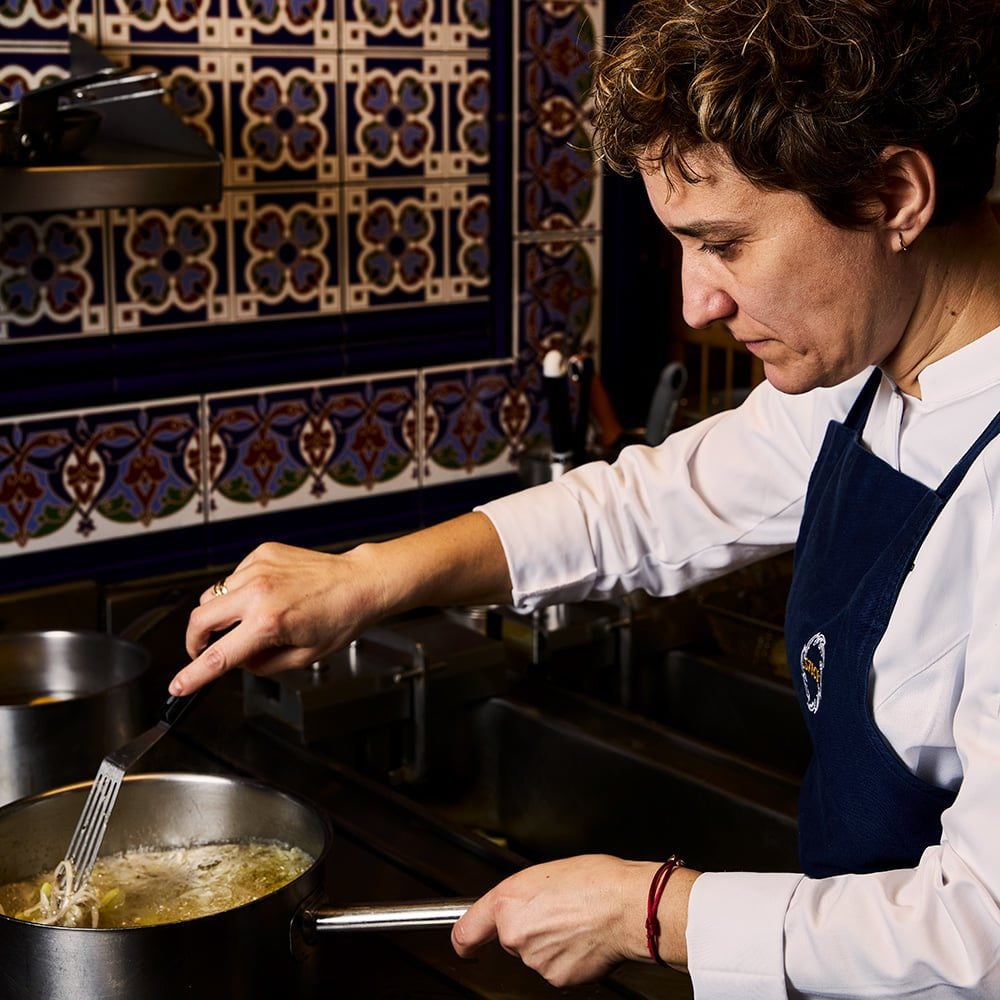
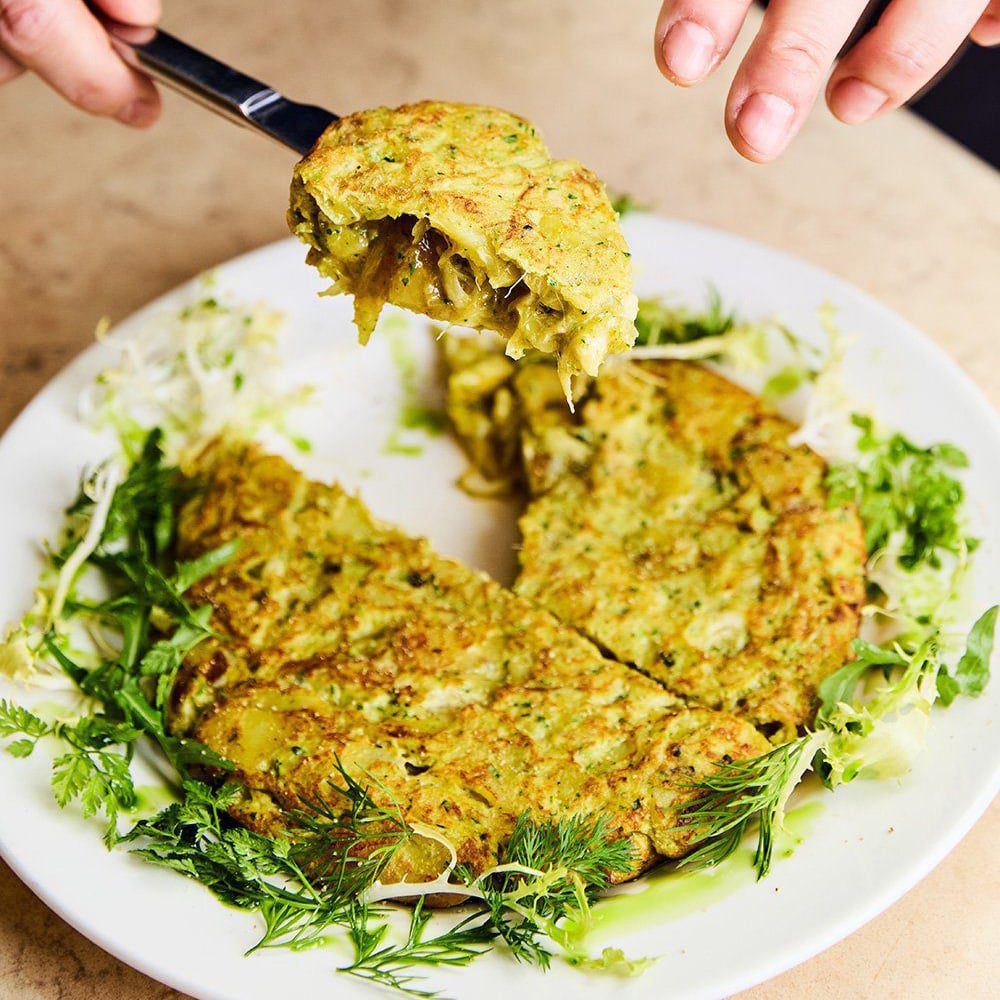
We asked Spanish chef Nieves Barragán Mohacho of Michelin-starred restaurant Sabor in Mayfair for her secrets to making an authentic tortilla. She recommends using good-quality chipping potatoes (such as king edward or maris piper) and slicing them with a mandoline to cut quartered potatoes into 2mm slices. If you don’t have a mandoline? Make sure you take your time cutting the potatoes into slices of even thickness so they cook at the same speed, advises Nieves.
Try it in… Nieves’s traditional Spanish tortilla
Hungry for more? Take a look through our complete Spanish recipes collection, including ideas for tapas, simple dinners and Spanish desserts.

Subscribe to our magazine
Food stories, skills and tested recipes, straight to your door… Enjoy 5 issues for just £5 with our special introductory offer
By joining our newsletter you agree to our
Privacy Policy