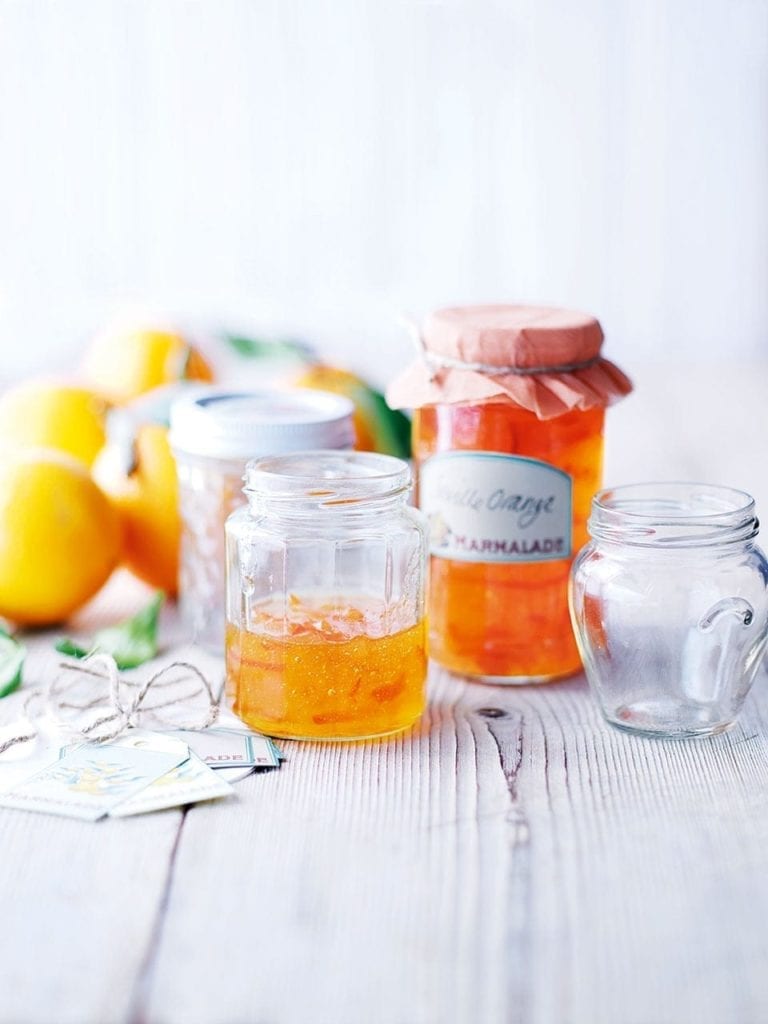
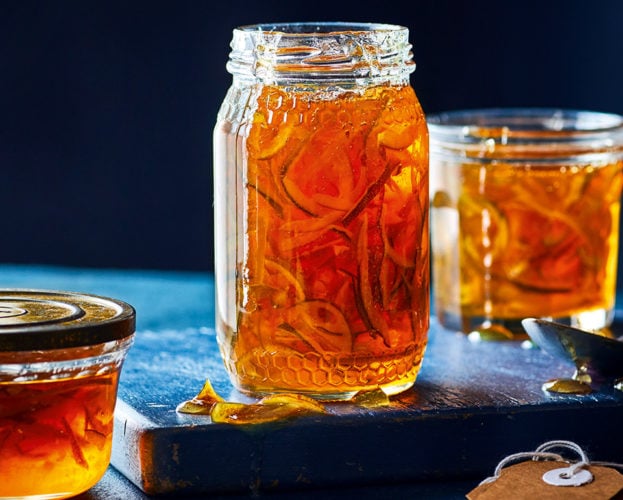
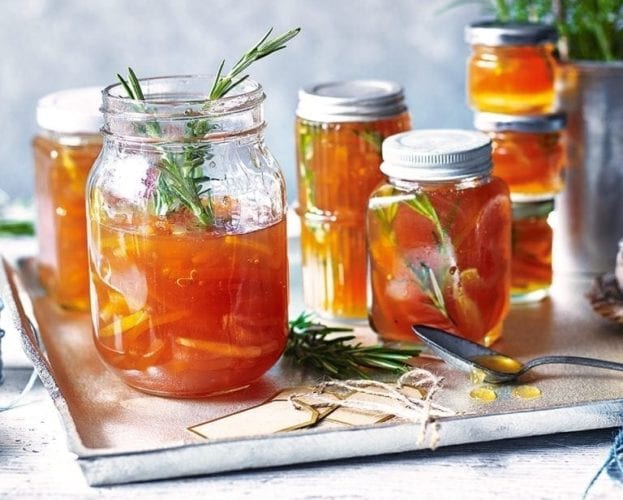
Seville orange marmalade
- Portion size: Makes 5 x 400g jars
- Takes 10 minutes to make, 2-2½ hours to cook, plus cooling
- Difficulty: easy


Learn how to make classic seville orange marmalade with our step-by-step recipe by food writer Lizzie Kamenetzky, packed with tips. “My love of marmalade could rival Paddington Bear’s,” says Lizzie.
- Why seville oranges? Also known as bitter oranges, Spanish seville oranges are perfect for making marmalade as the pectin-rich pith and pips provide setting power. “Every year I eagerly await the arrival of the seville orange season because, as any aficionado will tell you, it’s the fruit that makes the finest marmalade,” explains Lizzie. “The oranges have an intense, bitter flavour that balances the sweetness of the jam perfectly.”
- How to prep: “I prefer the shreds of peel to be cut fine so they almost melt into the jam, but there are no rules – make it the way you like it, thick shreds or fine, big chunks or tiny pieces… It’s part of the pleasure of marmalade making, and it will fill the house with the best perfume as you cook.”
- Marmalade know-how: Experienced marmalade makers know when the setting point has been reached by looking and listening, but newbies will need a thermometer. It’s good to learn to trust your instincts, though, so use the plate test (step 3) as well – partly as a double-check and partly so you get to know what the setting point looks like. See the Tips section for more guidance.

Ingredients
- 1kg seville oranges (about 12 – see Know-how)
- 1.7 kg preserving sugar
- Juice of 2 large lemons
Specialist kit
- Sugar thermometer (optional)
Method
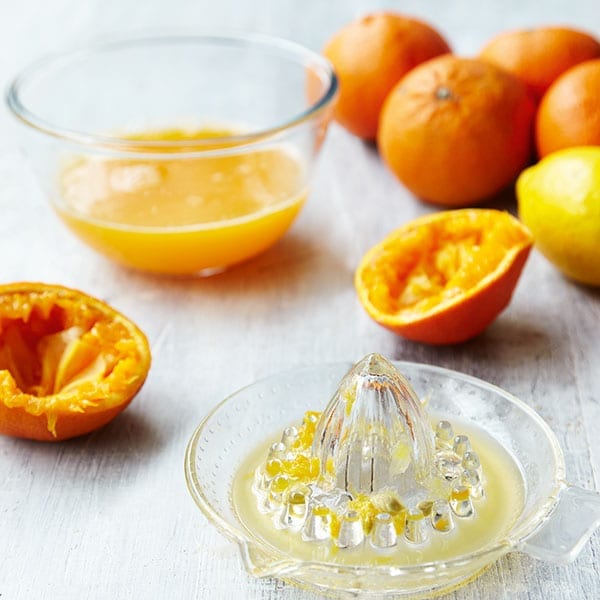
- Halve the oranges and squeeze all the juice into a large bowl (you should have about 650ml), reserving the pips.

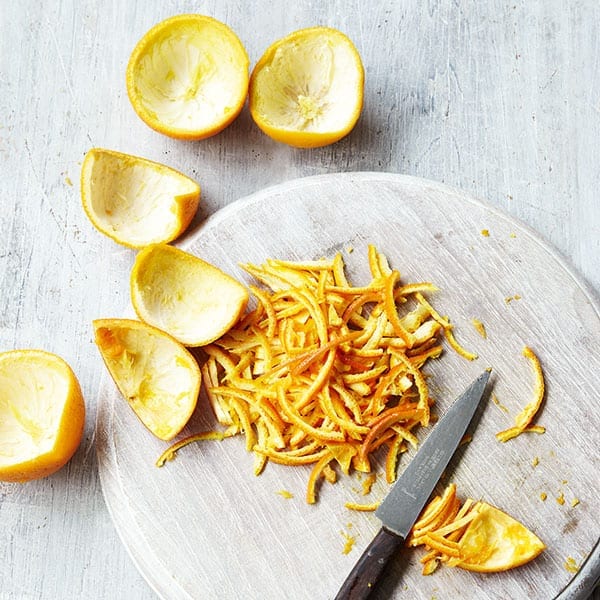
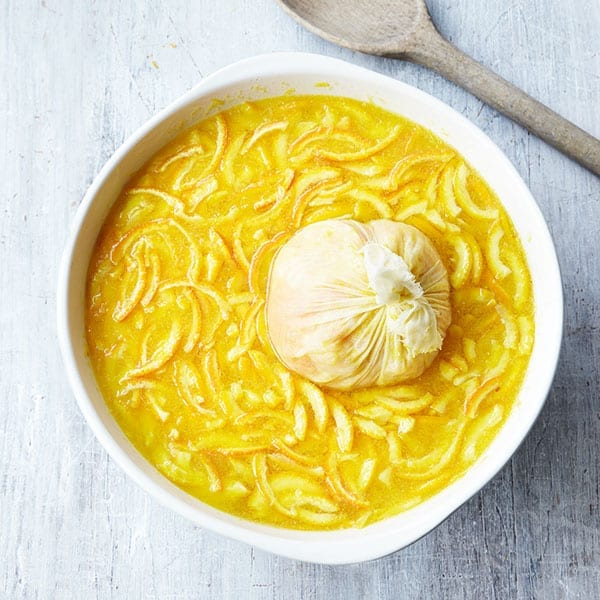
- Add 2.5 litres cold water to the bowl. Scrape out any remaining orange pulp and pith from the inside of the orange halves with a metal spoon, add to the pips and tie up in a muslin bag. Shred the skin into strips (it’s up to you how thin you like the shreds of your marmalade) with a sharp knife.
- Add to the bowl with the juice and the muslin bag and submerge the bag in the liquid. Cover with cling film and leave overnight.
- Transfer the contents of the bowl to a large preserving pan or large heavy-based saucepan. Bring to the boil, then reduce to a simmer and cook gently for 1½-2 hours until the peel is translucent and tender. Remove the muslin bag and squeeze as much liquid from it as possible back into the pan (wear rubber gloves as it will be hot). Add the sugar and lemon juice and melt the sugar over a low heat. Once melted, increase the heat and boil rapidly for 15 minutes, skimming off any scum that rises to the surface.
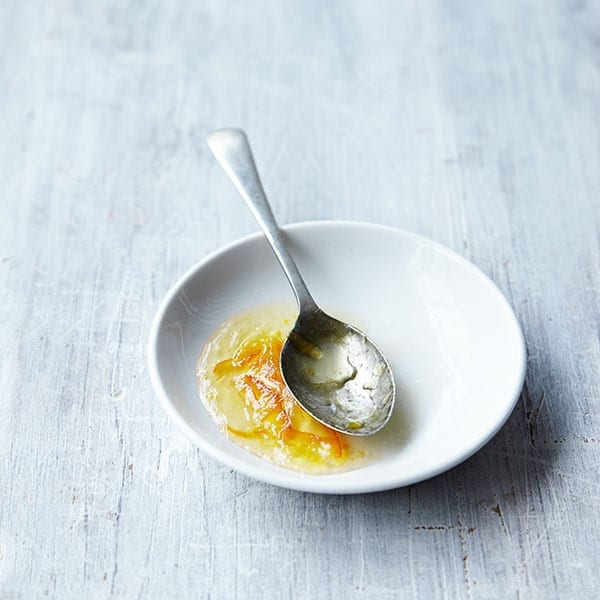
- After 15 minutes you can start to test for a set. If you have a sugar thermometer, the temperature should read between 106°C and 108°C, but always test for setting point by hand too. To do this, drop a spoonful of the mixture onto a small plate that has been in the freezer for 10 minutes. If, after 30-40 seconds, a thick skin forms on the marmalade and it wrinkles when you push your finger through it, it’s ready. If not, continue boiling and test every 5 minutes or so. It can take as long as an hour to reach setting point.
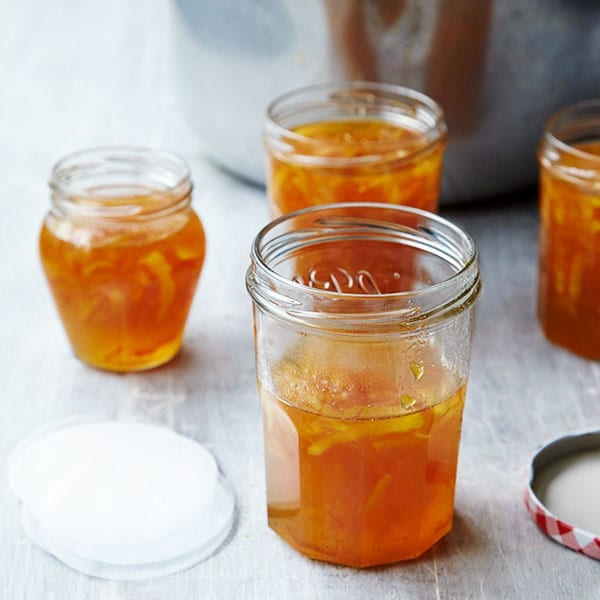
- Remove from the heat and leave to stand for 10-20 minutes, skimming off any scum that rises to the surface. Pour the marmalade into sterilised jars, top with a wax disc while still warm, then leave to cool before sealing with a lid. Add fabric tops, secured with string or elastic bands, if you like. Buy them from cookshops or cut out your own with fabric scissors.
FAQs
When you’ve squeezed the oranges, scrape out the pulp and pith before you slice the skins, then put them in a muslin bag in the pan with the juice. You’ll get the benefit of the pectin these bits hold, and you’ll have soft, less bitter orange shreds too.
Leave the marmalade off the heat for 10-20 minutes, until the surface wrinkles, before spooning it into jars – this will quickly cool and set the marmalade further so the fruit can’t rise once it’s in the jars. Meanwhile, any cloudiness-causing scum will rise to the surface so you can skim it off.
Remove the marmalade from the heat each time you do the plate test for setting, so it’s not cooking while you’re waiting to see if the mixture wrinkles. To speed up the plate wrinkle test, keep your testing plate in the freezer so it cools the marmalade more quickly.
Nutrition
- 28kcals Calories
- 0g (0g saturated) Fat
- 0g Protein
- 7.1g (7.1g sugars) Carbs
- 0.1g Fibre
- Trace Salt
Leave a comment, question or tip