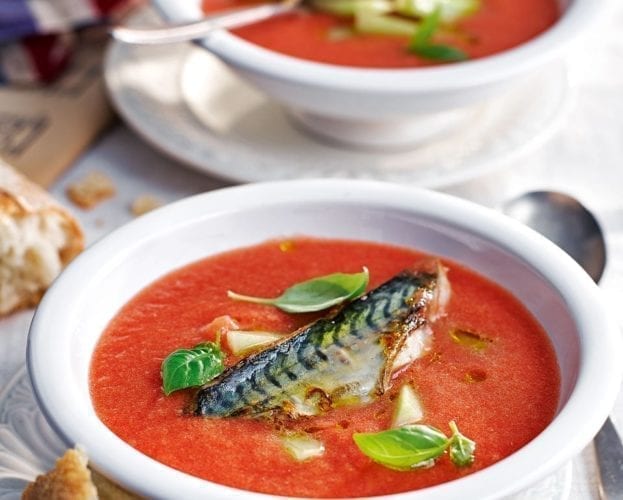
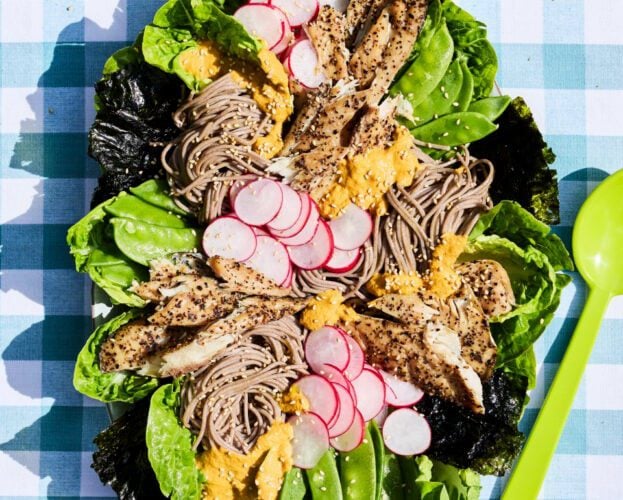
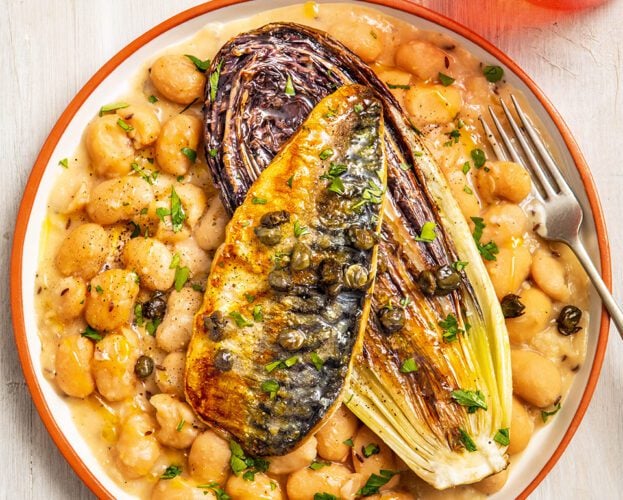
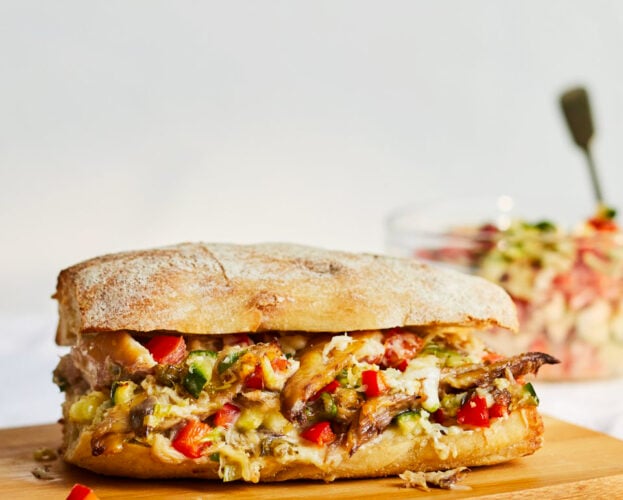
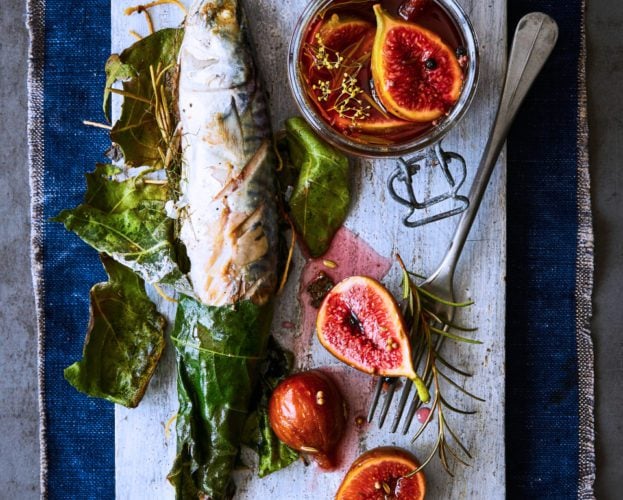
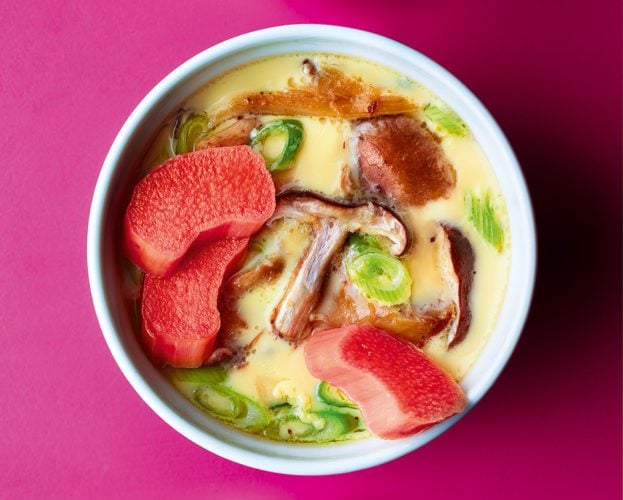
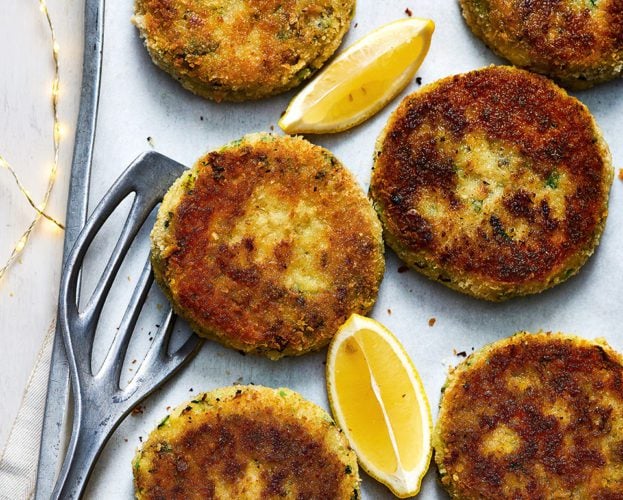
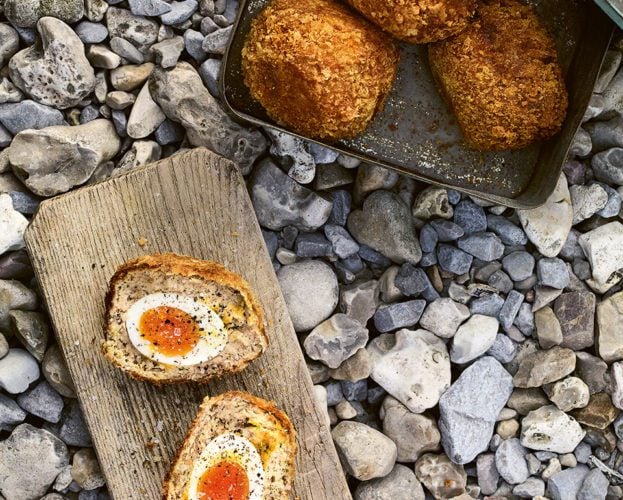
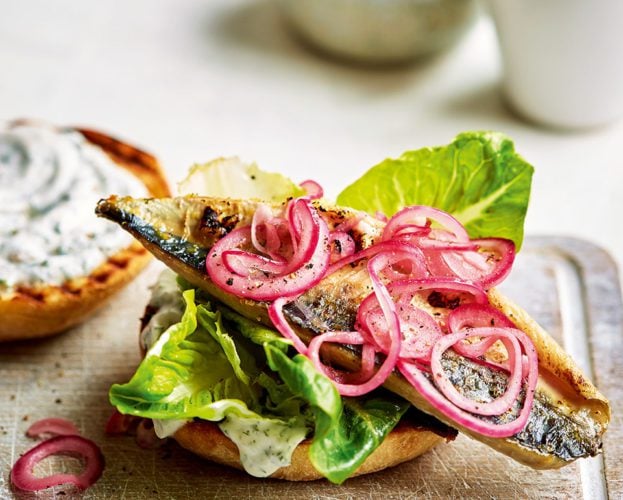
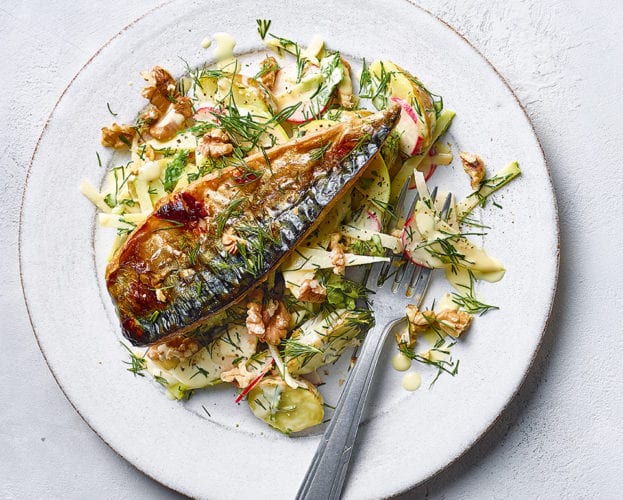
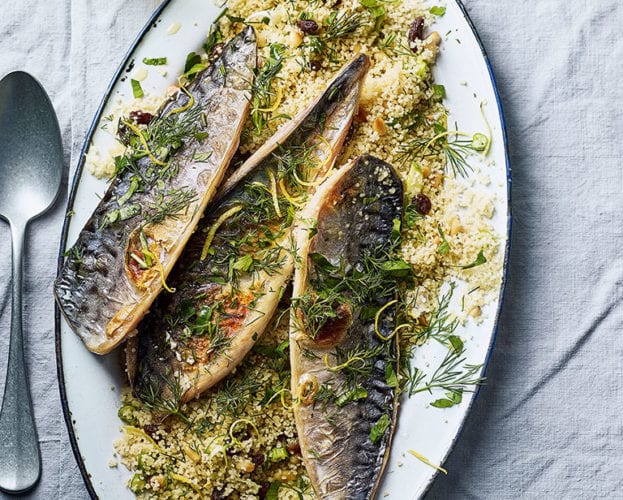
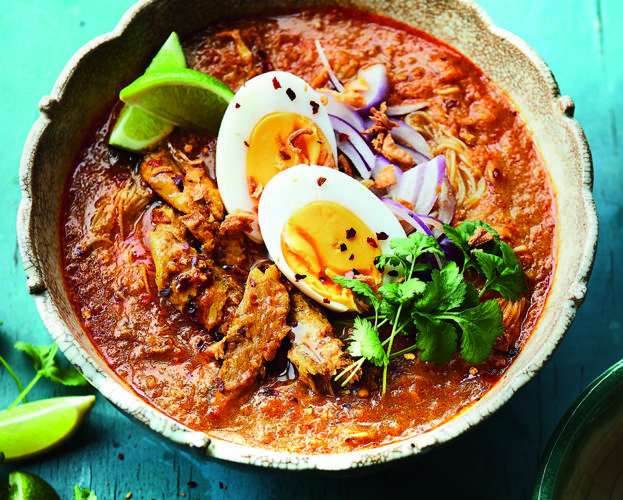
Picasso like them so much he included one in a nudey picture! Come and see how the mackerel earned its stripes...
History
Mackerel's always been a popular fish. Its striking stripes and iridescent skin make it a prize catch. The Ancient Romans – not ones to miss a trick – were fans. They made a fish sauce called garum, which is very like the fish sauce (Nam Pla) we use today. Garum was not only a prized flavour enhancer in dishes, it was used as medicine and – wait for it – in cosmetics (bearing in mind it stank to high heaven, we should be thankful that in this modern age, Clinique doesn't feel the same need).
This oceanic shoal fish has been eaten through the ages. It's not only a favourite with humans but with many large sea predators, including sharks, dolphins and orcas.
Nutritional content
Mackerel is rich in omega-3 fatty acids; it's recommended we eat at least one serving a week. It also contains vitamins A, D and B12 – essential to healthy nerve function – and the antioxidant selenium. Basically, it's very good for you.
Buying and storing mackerel
When buying any fish, always look for bright eyes and firm, almost rigid flesh. Keep it cool and eat it within 24 hours; this is important – mackerel, like all oily fish – spoils quickly and can cause food poisoning. This may be why it's often smoked or cured straight after being caught. It also freezes well.
Cooking mackerel
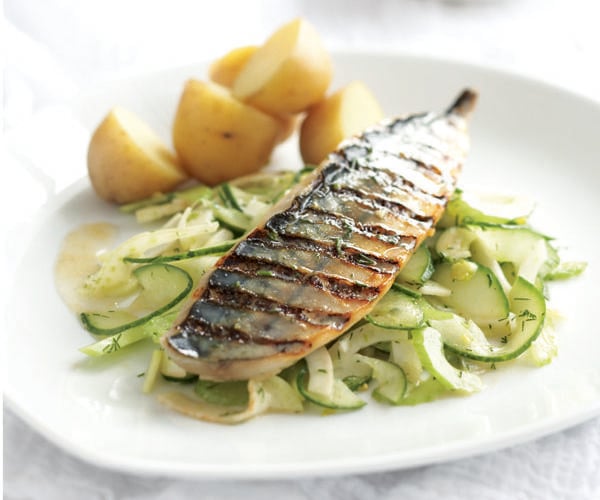
Mackerel benefits from most cooking methods: baking, barbecuing, grilling or pan-frying. Its attraction is in its simplicity; the oiliness of its flesh means it doesn't need to be bolstered by a creamy, heavy sauce. Instead, a tart sauce to offset its natural richness works beautifully. Gooseberry sauce is particularly good, as is rhubarb or citrus.
To check that mackerel is cooked through, make in incision in the thickest part – if it's cooked the flesh will be opaque and moist.
Mackerel facts