






Interviews
Delicious. Podcast
Delicious. Video
Ken Hom on roast pork, optimism and meeting his food hero

Advertisement

 Save recipe
April seasonal recipes
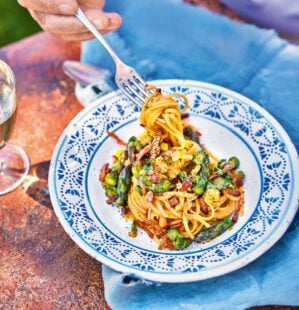
Gennaro Contaldo’s asparagus carbonara
Gennaro Contaldo gives classic carbonara a spring makeover with the addition of asparagus. “A classic carbonara is loved the world...
-
 Easy
Easy
Save recipe
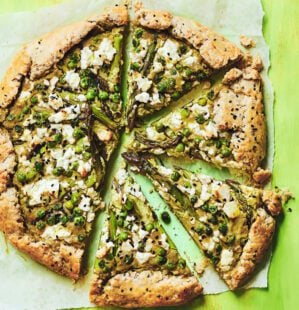
Savoury tarts
Spring vegetable, feta and miso-sesame galette
Miso, tahini and feta bring a depth of flavour to this spring vegetable tart, made with a simple pastry rich...
-
Easy
Save recipe
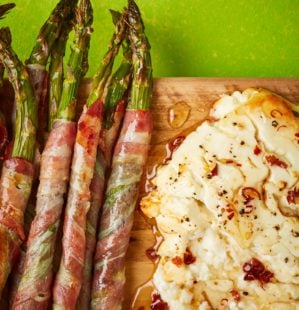
April seasonal recipes
Pancetta-wrapped asparagus with baked feta and honey
Wrap asparagus spears in pancetta and roast with feta until golden. Serve with chilli-spiked honey and crusty bread for an...
-
Easy
Save recipe
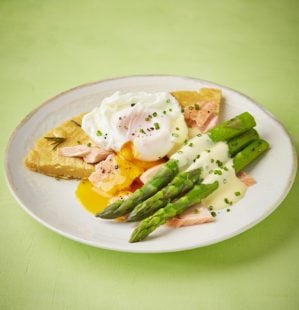
April seasonal recipes
Asparagus farinata with trout, poached egg and hollandaise
Farinata – a thick, fluffy Italian pancake made with chickpea flour and flavoured with rosemary – is an incredible base...
-
Easy
Save recipe
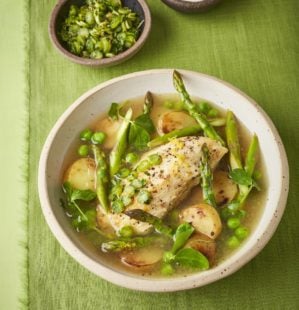
April seasonal recipes
Chicken and asparagus broth with new potatoes
A delicious springtime dish. Poached chicken, potatoes, asparagus and peas happily bob away in a lemony broth. The gremolata isn’t...
-
Easy
Save recipe
Chicken breast recipes
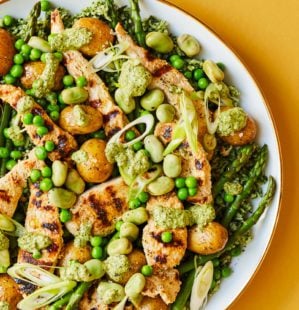
Spiced spring chicken
This recipe from Jeremy Lee (of Quo Vadis Restaurant and Club in Soho) is inspired by Madhur Jaffrey and is...
-
Medium
Save recipe
One-pot chicken recipes
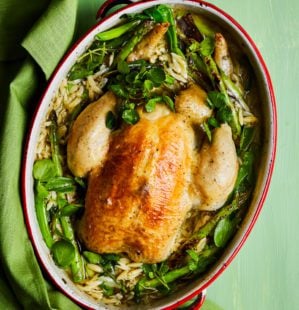
Spring chicken and orzo pot roast
Pot-roasting chicken makes sure it’s tender, juicy and – in this dish – allows plenty of those flavourful juices to...
-
Easy
Save recipe
April seasonal recipes
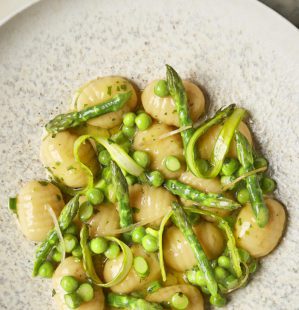
Spring vegetable gnocchi with beurre blanc
Asparagus and peas are just warmed through in a silky butter sauce in this beautifully seasonal dish. The fresh spring...
-
Easy
Save recipe
April seasonal recipes
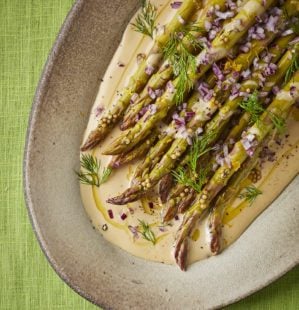
Pickled asparagus tonnato
This stunning plate is inspired by northern Italian dish vitello tonnato – finely sliced veal topped with silky tuna sauce...
-
Easy
Save recipe
April seasonal recipes
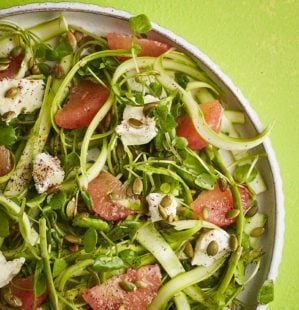
Asparagus and goat’s cheese salad with watercress and grapefruit
Asparagus is just as good raw as it is cooked – as this salad sets out to prove. Ribbons of...
-
Easy
Save recipe
April seasonal recipes
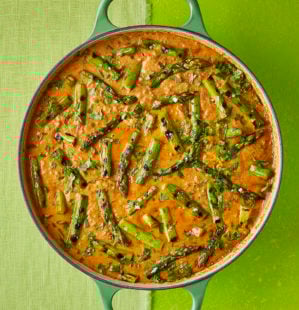
Asparagus tikka masala
Asparagus isn’t a regular sight in Indian cooking, but tikka masala provides the perfect partner for charred asparagus spears. The...
-
Easy
Save recipe
30-minute meal recipes
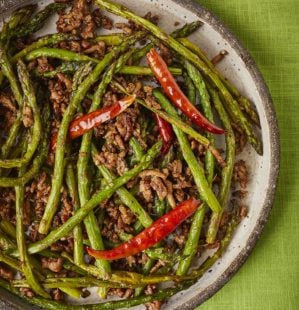
Sichuan-style asparagus with pork mince
Our Sichuan-style asparagus is inspired by the popular Chinese green bean dish, which sees the vegetable stir-fried with ginger, garlic,...
-
Easy
Save recipe
Asparagus recipes
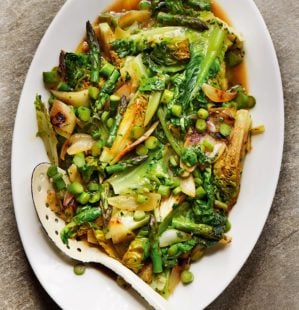
Warmed asparagus and lettuce
Simmer lettuce and asparagus in mushroom stock for a deeply savoury and satisfying vegan starter or side dish. Serve with...
-
Easy
Save recipe
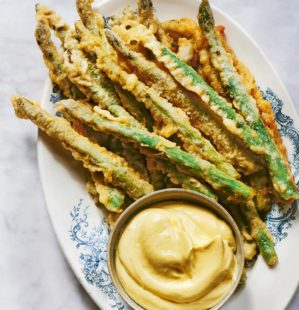
Asparagus recipes
Asparagus fritters and aioli
Joe Woodhouse’s crisp asparagus fritters with seriously garlicky aioli make a perfect starter or nibble with drinks for late spring...
-
Easy
Save recipe
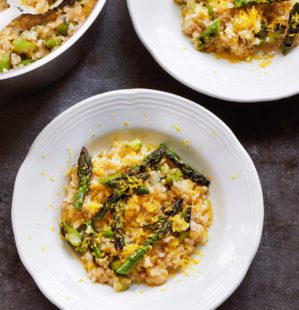
Rice recipes
Grilled asparagus and lemon rice
Grilled asparagus served on top of creamy lemon rice makes a lovely late-spring supper or side dish to go with...
-
Easy
Save recipe
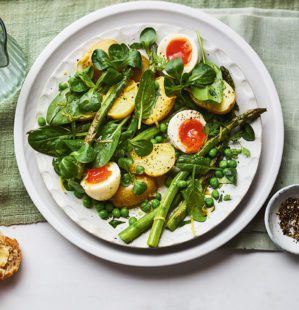
Asparagus recipes
Lemony roasted asparagus, new potato and pea salad
A warm spring salad that’s both versatile and easy to assemble. Serve this lemony asparagus salad with jammy boiled eggs...
-
Easy
Save recipe

Brunch recipes
Monica Galetti’s asparagus, poached egg and sriracha hollandaise
Monica Galetti changes up the classic brunch pairing of asparagus and hollandaise, adding a kick of sriracha in the hollandaise...
-
Easy
Save recipe
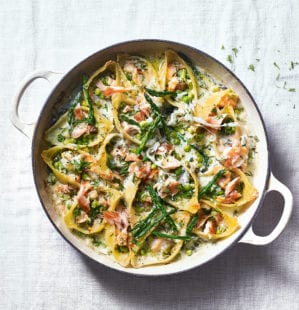
Budget pasta recipes
Creamy salmon pasta bake
Stretch two salmon fillets to feed four with this easy, creamy salmon pasta bake. Our budget-friendly recipe with peas and...
-
Easy
Save recipe
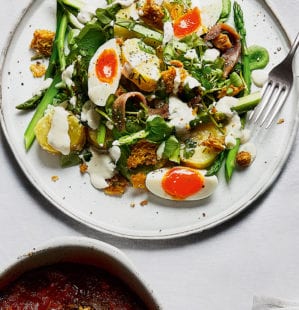
May seasonal recipes
Asparagus, egg and potato caesar salad
This filling asparagus, egg and potato caesar salad is topped with a creamy homemade dressing and golden parmesan croutons. Make...
-
Easy
Save recipe
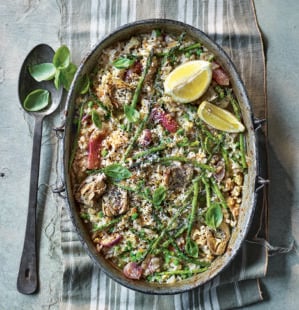
Vegetarian risotto recipes
No-stir risotto with radishes, asparagus and artichokes
The oven does the hard work with this no-stir baked risotto packed with spring vegetables. Serve it at the table...
-
Easy
Save recipe
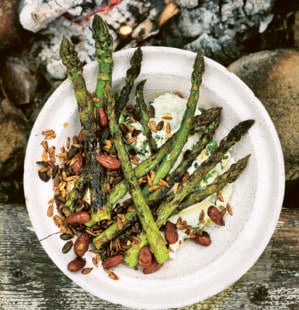
Asparagus recipes
Asparagus with labneh, mint, almonds and seeds
This stunning spring starter by Gill Meller pairs charred asparagus with thick and creamy labneh, fresh mint and crunchy almonds....
-
Easy
Save recipe
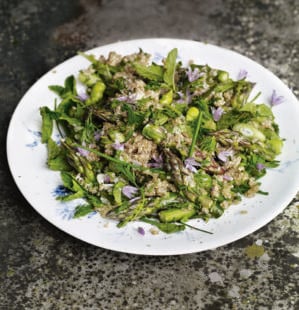
Asparagus recipes
Asparagus and quinoa salad with peas and broad beans
Spring produce such as asparagus, peas, broad beans and lovage are the star players in this vegan salad recipe. If...
-
Easy
Save recipe
Recipes to celebrate spring
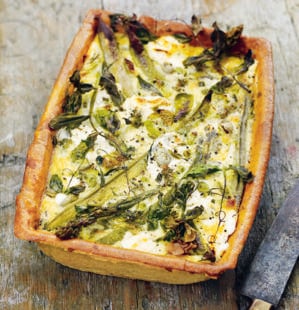
Asparagus and goat’s cheese tart
Gill Meller’s deep-filled vegetarian tart with asparagus, broad beans, peas and fresh herbs is a true celebration of spring produce....
-
Medium
Save recipe
Healthy lunch recipes
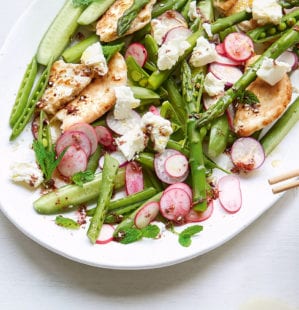
Green fattoush salad
Take care not to overcook the asparagus spears – this vibrant summer salad should be fresh, zingy and have a...
-
Easy
Save recipe
Healthy salad recipes
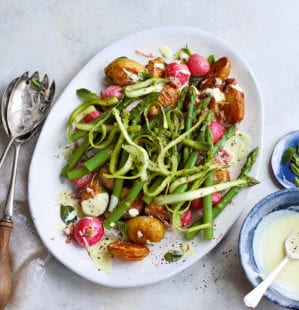
Asparagus, ham hock and potato salad
Roasted new potatoes, asparagus, radishes and ham hock are served in a mustardy yogurt dressing in this healthy springtime salad...
-
Easy
Save recipe
Asparagus recipes
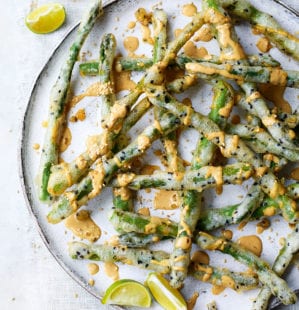
Black sesame tempura asparagus with miso mayo
Tasting these in the delicious. test kitchen for the first time was a revelation. Feather-light tempura batter melts in the...
-
Easy
Save recipe
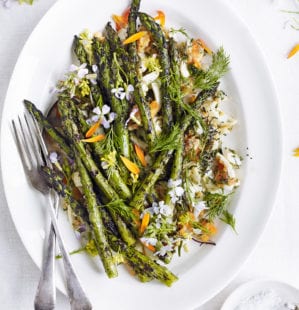
Asparagus recipes
Barbecued asparagus with chopped eggs, tarragon, chives and dill
Chargrilling or barbecuing asparagus gives it an amazing depth of flavour, accentuating its sweetness by caramelising the natural sugars within...
-
Easy
Save recipe
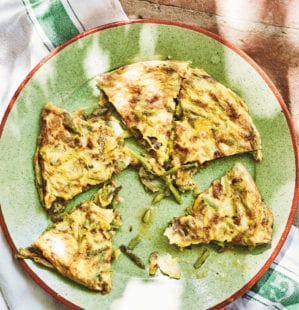
Asparagus recipes
José Pizarro’s asparagus tortilla
Spanish chef José Pizarro shares his easy recipe for an asparagus tortilla made with just a few simple ingredients. Best...
-
Easy
Save recipe
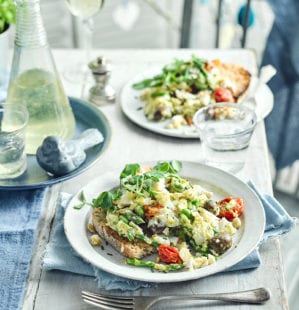
Asparagus recipes
Cheesy asparagus eggs on toast
Francesco Mazzei says: “This asparagus with eggs is a great way to start the day, combining beautiful seasonal asparagus with...
-
Easy
Save recipe
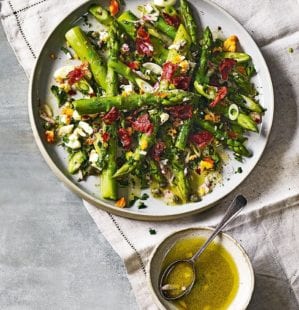
Asparagus recipes
Steamed asparagus and egg mimosa salad
Seasonal asparagus, crisp parma ham and soft eggs come together in this simple but elegant starter. Or, try pairing the...
-
Easy
Save recipe
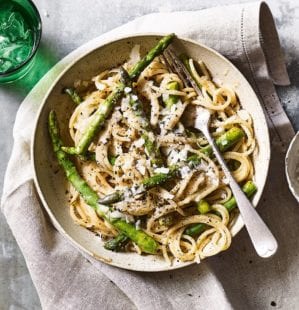
Quick pasta recipes
Cacio e pepe with asparagus
Cacio e pepe is one of the simplest – and tastiest – pasta dishes you can make. The original version is...
-
Easy
Save recipe
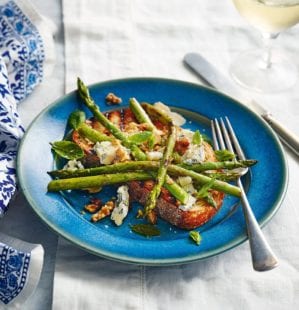
Asparagus recipes
Russell’s asparagus, gorgonzola, walnut and mint bruschetta
Food writer Russell Norman finds his inspiration in Italy’s beautiful cities and this bruschetta recipe, with asparagus and mint, reflects...
-
Easy
Save recipe
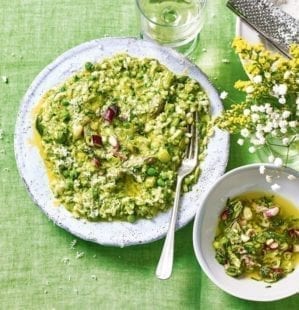
Asparagus recipes
Asparagus, pea and mint risotto (risotto primavera)
This asparagus, pea and mint risotto (or ‘primavera’) showcases the best of spring produce, is gorgeously green and best enjoyed...
-
Easy
Save recipe
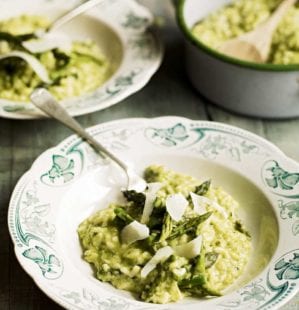
Asparagus recipes
Asparagus, pecorino and lemon risotto
The fresh and zingy flavours of lemon, mint and asparagus shine in Debbie Major’s springtime risotto recipe. We’ve got a...
-
Easy
Save recipe
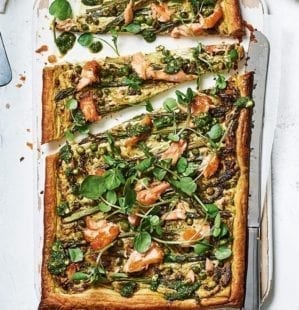
Savoury tarts
Hot-smoked salmon and asparagus tart
This stunning smoked salmon and asparagus tart is a cinch to make yet ever so impressive. Serve with a watercress...
-
Easy
Save recipe
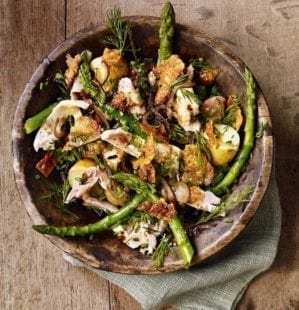
Chicken salad recipes
Chicken, anchovy and jersey royal salad
Gill Meller’s chicken salad recipe is full of the joys of spring with asparagus, and Jersey royals. The best bit...
-
Easy
Save recipe
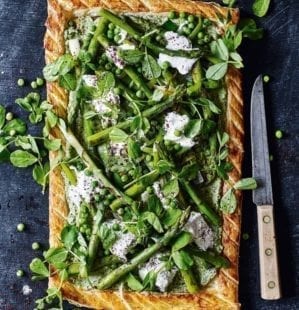
Asparagus recipes
Asparagus, pea shoot and butter bean tart
Puff pastry and seasonal veg make for a quick and easy vegetarian tart recipe. The butter bean purée and burrata...
-
Easy
Save recipe
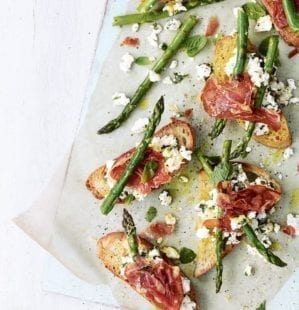
Asparagus recipes
Grilled asparagus and parma ham on toast
For a quick, easy starter or a light summer lunch, top toasted ciabatta with crispy parma ham, asparagus and honey-drizzled...
-
Easy
Save recipe
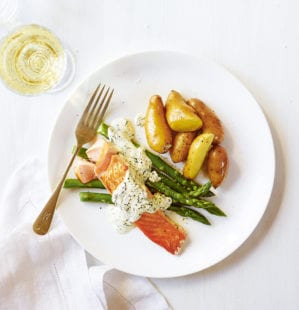
Salmon fillet recipes
Easy mustard and dill salmon with new potatoes and asparagus
Sometimes simplicity really is best and this classic spring combination of salmon, asparagus and new potatoes is a perfect example....
-
Easy
Save recipe
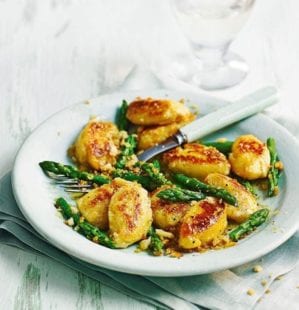
Asparagus recipes
Cheat’s ricotta gnudi with asparagus and crumbs
Wow your guests with this easy gnocchi-like dumpling recipe. Made with light ricotta instead of potato; gnudi is the perfect...
-
Easy
Save recipe
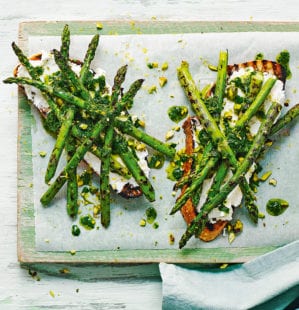
Goat's cheese recipes
Griddled asparagus and goat’s cheese toast
Enhance your lunch with this seasonal asparagus toast recipe; this dish is elevated with fresh herbs and tangy lemon zest.
-
Easy
Save recipe
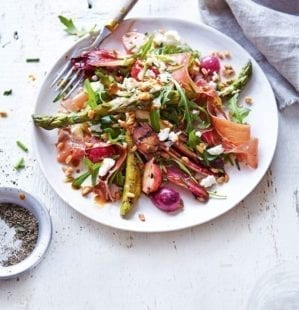
Green farro salad
This seasonal salad recipe features asparagus and radishes; the perfect starter for your next spring dinner party. If you’ve not...
-
Easy
Save recipe
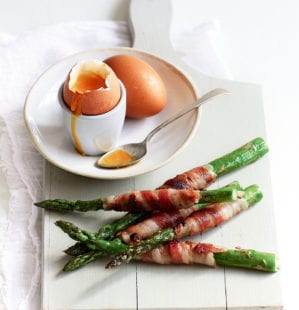
Comfort food recipes
Asparagus and pancetta soldiers with soft-boiled eggs
Swap toast soldiers for pancetta-wrapped asparagus in this easy low-carb breakfast recipe, that’s ready in just 15 minutes.
-
Easy
Save recipe
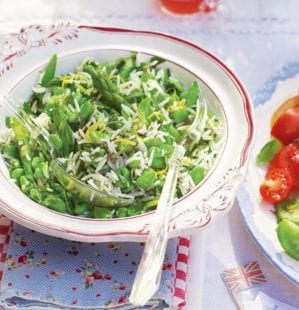
Healthy salad recipes
Asparagus spring salad
The rice bulks out this springtime salad, made with seasonal asparagus and broad beans, to make a filling lunch or...
-
Easy
Save recipe
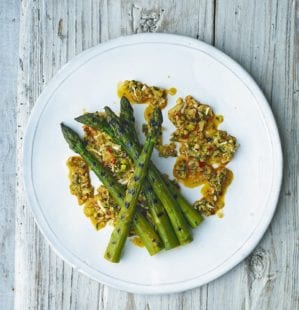
Vegetarian starter recipes
Grilled asparagus with vegetable crumble
Raymond Blanc’s elegant vegan starter marries spring asparagus and summer vegetables with a smoked paprika dressing. It would be a...
-
Easy
Save recipe
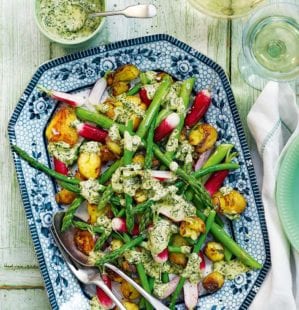
Asparagus recipes
Asparagus, crispy potatoes and radishes with herb hollandaise
Packed with seasonal produce and topped with herby hollandaise, this spring salad with asparagus is lovely with roast meat on...
-
Easy
Save recipe
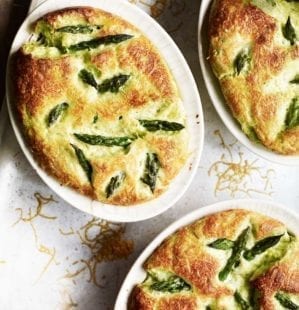
Soufflé recipes
Asparagus and gruyère soufflés
These light-as-a-feather soufflés celebrate British asparagus and rise to the occasion as a starter for an Easter lunch or dinner...
-
Easy
Save recipe
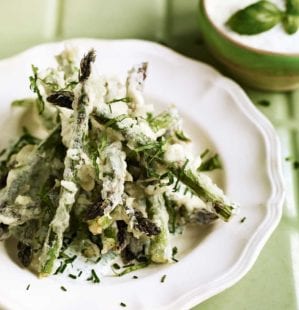
Asparagus recipes
Asparagus tempura with garlic and herb sauce
Debbie Major’s tempura asparagus recipe, served with a garlic and herb sauce, makes the perfect springtime starter. If you like...
-
Easy
Save recipe
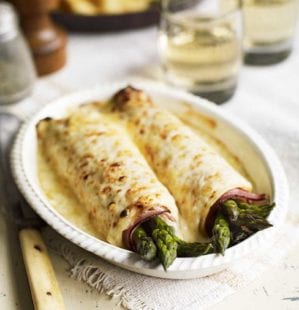
Savoury pancake recipes
Asparagus and ham pancakes
Debbie Major’s savoury pancakes are stuffed with asparagus and ham and topped off with a rich béchamel sauce for a...
-
Easy
Save recipe
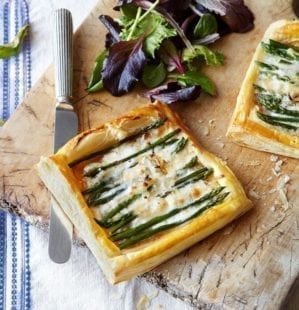
Asparagus recipes
Quick asparagus and taleggio tart
These vegetarian puff pastry tarts, topped with taleggio and asparagus, make a quick, easy lunch or easy starter.
-
Easy
Save recipe
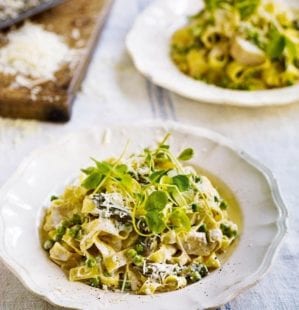
Blue cheese recipes
Fettuccine alfredo with blue cheese, artichokes and asparagus
Creamy, cheesy pasta isn’t just for the colder months. Debbie Major’s recipe adds summer vegetables to keep this dish light...
-
Easy
Save recipe
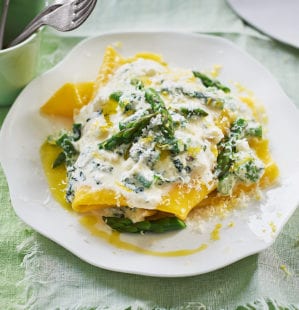
Asparagus recipes
Asparagus and ricotta lasagne
Layers of pasta, asparagus, fresh mint and lemon are cooked in a creamy ricotta sauce to make a seasonal and...
-
Easy
Save recipe
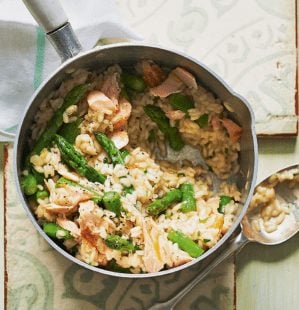
Risotto recipes
Asparagus and hot-smoked salmon risotto
Make the most of seasonal asparagus and combine it with hot-smoked salmon in this risotto recipe, for family meals and...
-
Easy
Save recipe
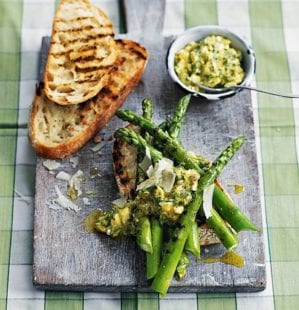
Asparagus recipes
Griddled asparagus with sauce gribiche on toast
Sauce gribiche, a mayonnaise with herbs, capers and cornichons, works beautifully with the asparagus in this seasonal starter (or lunch)...
-
Easy
Save recipe
Asparagus recipes
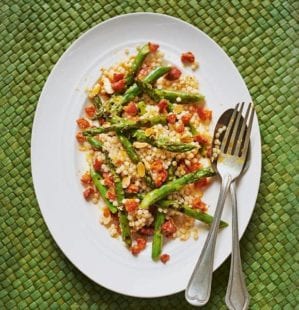
Warm salad of asparagus, giant couscous and chorizo
With simple, easy-to-prepare ingredients this warm salad recipe can be whipped up in no time, making it a great midweek...
-
Easy
Save recipe
Asparagus recipes
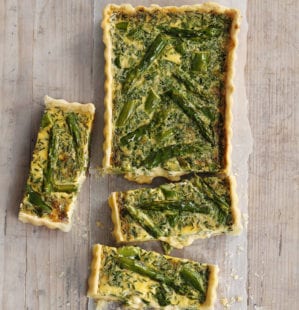
Asparagus and hollandaise tart
Asparagus and rich buttery hollandaise are a great double act. Try the combination in this tart recipe.
-
Easy
Save recipe
Budget pasta recipes
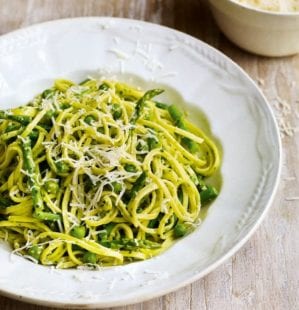
Filini pasta with asparagus, peas and wild garlic pesto
Debbie Major’s wild garlic pesto is a winner with any pasta dish. This recipe is made with seasonal spring asparagus...
-
Easy
Save recipe
Rice recipes
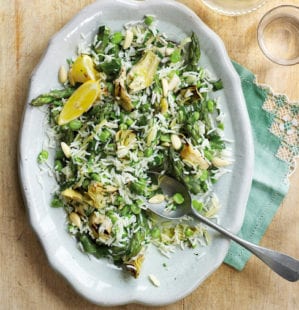
Artichoke, asparagus, broad bean and almond pilaf
This vegetarian pilaf recipe – made with asparagus and broad beans – is full of gorgeous spring flavours and takes...
-
Easy
Save recipe
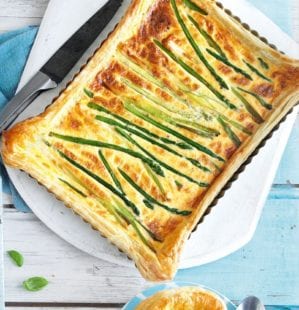
Asparagus recipes
Asparagus and spring onion tart
This creamy, cheesy vegetarian tart is a perfect springtime dish. It’s quick and easy and even better made with English...
-
Easy
Save recipe
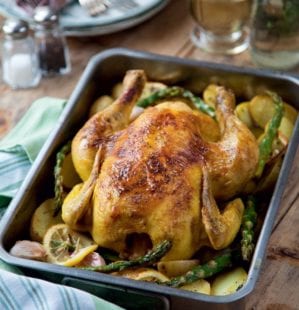
Roast chicken recipes
One-tray roast chicken with white wine, potatoes and asparagus
Step into spring with Donal Skehan’s roast chicken recipe made with asparagus, garlic, lemon and white wine.
-
Easy
Save recipe

Asparagus recipes
Asparagus, ham and chive filo tartlets
Make the most of asparagus, while it’s in season, and cook this easy filo tart starter recipe for your friends.
-
Easy
Save recipe
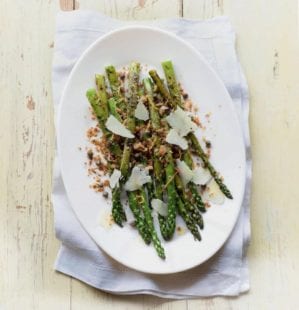
Asparagus recipes
Chargrilled asparagus with parmesan and breadcrumbs
Serve this tender, zesty, chargrilled asparagus recipe as a side dish – alongside barbecued lamb or roast chicken would work...
-
Easy
Save recipe
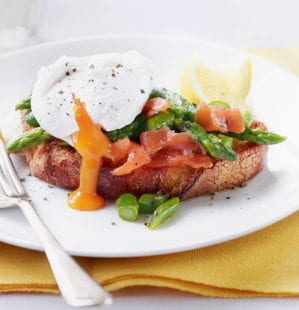
Asparagus recipes
Asparagus, smoked trout and poached egg on toast
A nutritious brunch recipe – made with seasonal spring asparagus, smoked trout and poached eggs – that’s easy to throw...
-
Easy
Save recipe
Savoury tarts
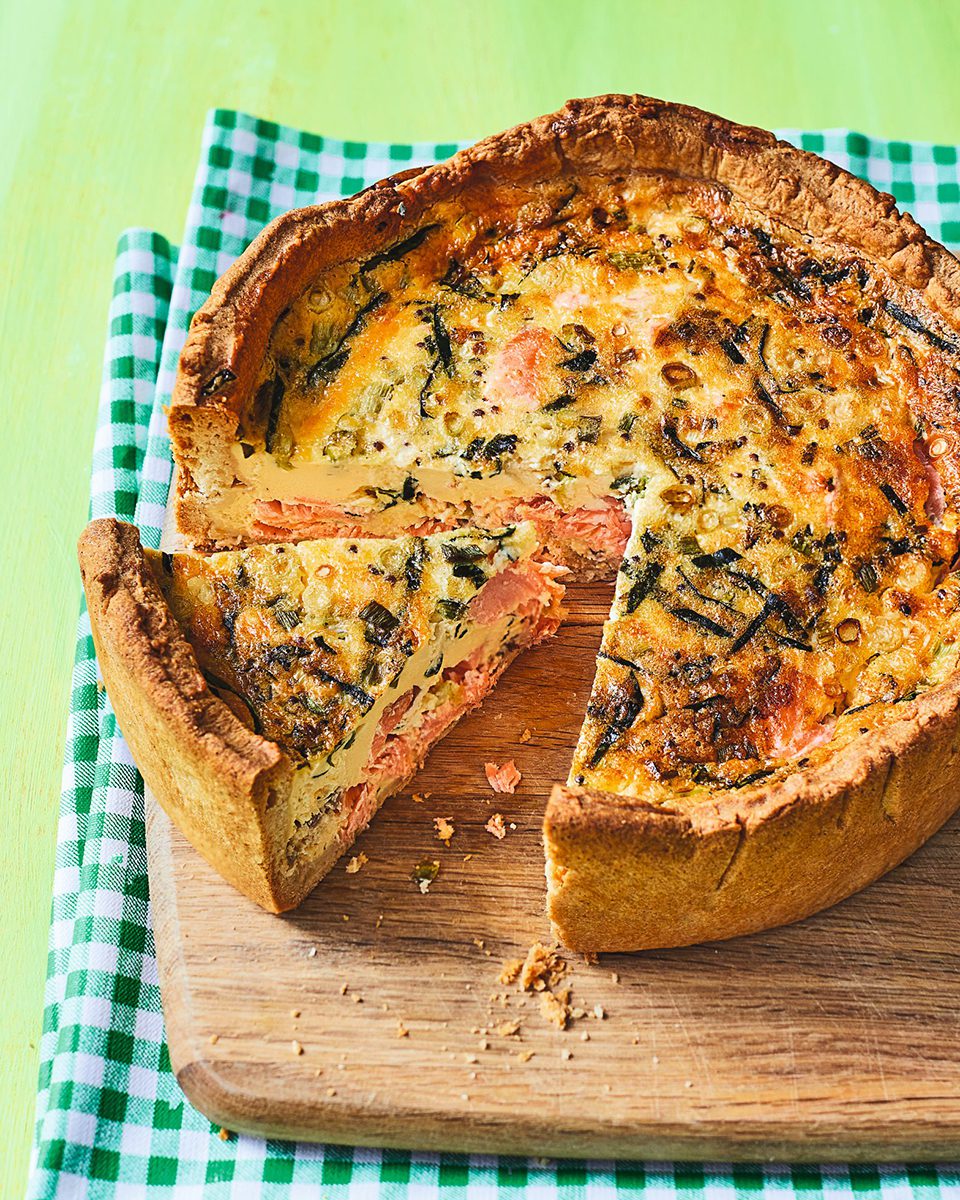
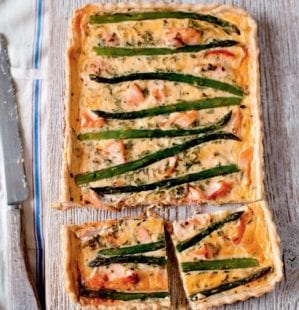
Salmon and asparagus quiche
Looking for a summery salmon centrepiece? Make the most of in season asparagus with this delicious quiche recipe. If you...
-
Easy
Save recipe
Asparagus recipes
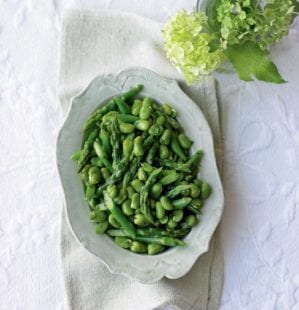
Asparagus and broad beans
An easy vegetarian recipe for a quick side dish, made with fresh seasonal asparagus and broad beans.
-
Easy
Save recipe

Asparagus recipes
Roasted asparagus with scrambled egg and parma ham
This simple asparagus with scrambled egg recipe, served with parma ham, is perfect for a lazy weekend brunch. Love scrambled...
-
Easy
Save recipe
Asparagus recipes
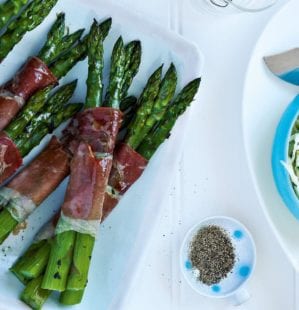
Roasted asparagus wrapped in Parma ham
It’s a classic way to serve seasonal asparagus, and so easy. This recipe can be served as a side, starter...
-
Easy
Save recipe
Asparagus recipes
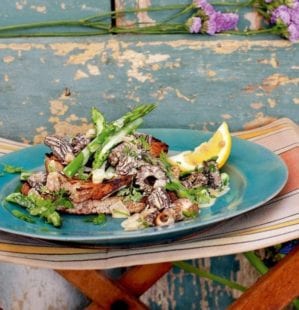
Asparagus and morels on toast
Morels are in season at the same time as asparagus – an anomaly, as most mushrooms appear around autumn. This...
-
Easy
Save recipe
Salmon fillet recipes
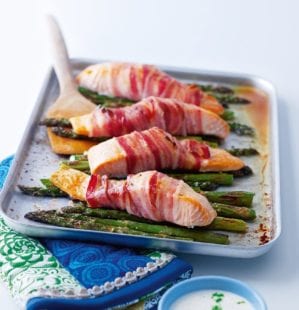
Pancetta-wrapped salmon with griddled asparagus
A quick and simple recipe of pancetta-wrapped salmon fillets served with griddled asparagus and a zesty crème fraîche.
-
Easy
Save recipe

Chicken breast recipes
Chicken with asparagus and rice
The British asparagus season is short, so make the most of the seasonal ingredient in Simon Rimmer’s stuffed chicken recipe,...
-
Easy
Save recipe
Asparagus recipes
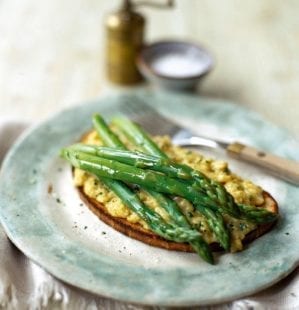
Scrambled egg and asparagus on toast
Scrambled egg on toast with anchovy (Scotch Woodcock) was popular in Victorian times. We’ve added seasonal asparagus – making it...
-
Easy
Save recipe
Cheat's recipes
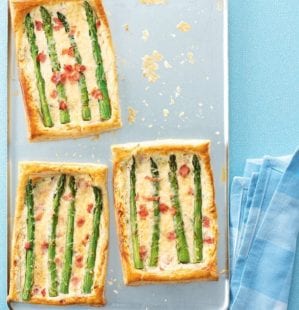
Cheat’s asparagus, ham and cheese tart
Behold: our easy ham and cheese tart! Add asparagus, ham and a creamy, cheesy sauce to shop-bought pastry for a...
-
Easy
Save recipe
Asparagus recipes
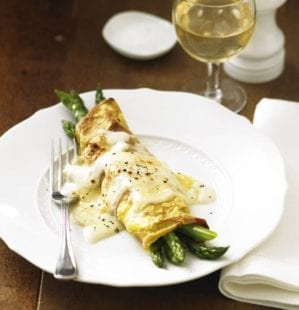
Asparagus crespelle
Asparagus crespelle is a fancy creamy Italian recipe but it’s basically posh pancakes with asparagus and lots of cheese.
-
Easy
Save recipe
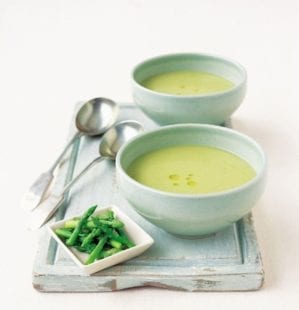
Summer soup recipes
Green gazpacho soup with asparagus
Gazpacho is a Spanish recipe for chilled soup, using all kinds of healthy vegetables. This version uses asparagus and cucumber...
-
Easy
Save recipe
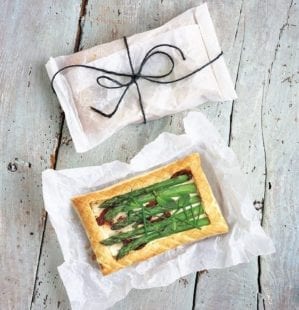
Asparagus recipes
Asparagus and ricotta tarts
These asparagus and ricotta tarts definitely look at the top end of picnic fare so you’ll be shocked how easy...
-
Easy
Save recipe
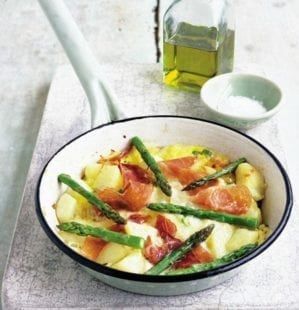
Frittata recipes
Asparagus and parma ham frittata
A throw-it-all-in frittata recipe that’s as colourful as it is tasty. You could make it with courgettes and peas, after...
-
Easy
Save recipe
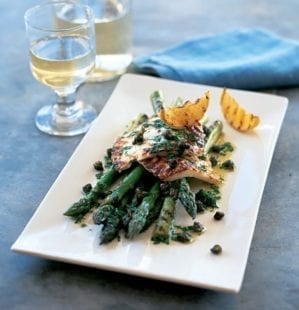
Asparagus recipes
Chargrilled asparagus and halloumi
The barbecue gives this chargrilled asparagus and halloumi dish gorgeous smoky flavour. Alternatively you can cook it on the hob...
-
Easy
Save recipe
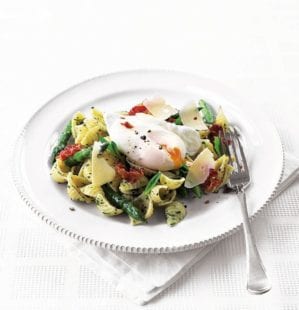
Summer pasta recipes
Pasta with asparagus, mint pesto and poached egg
A simple but fresh recipe that’s ready in 20 minutes. The asparagus and eggs give it a fresh element while...
-
Easy
Save recipe
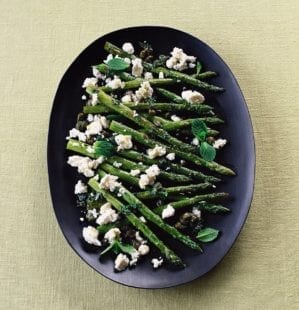
Asparagus recipes
Roast asparagus with feta
Can you roast asparagus? You can! In fact, roasting asparagus brings out their sweetness, making them the perfect pairing to...
-
Easy
Save recipe
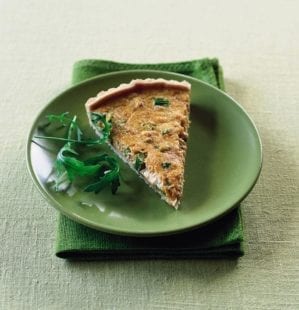
Asparagus recipes
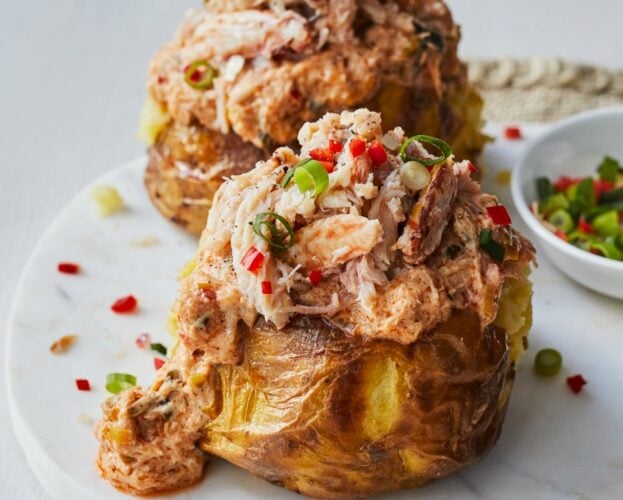
Crab and asparagus tart
Great to serve as a starter, this tart is made with a crispy shortcrust pastry and filled with a luxurious...
-
Medium
Save recipe
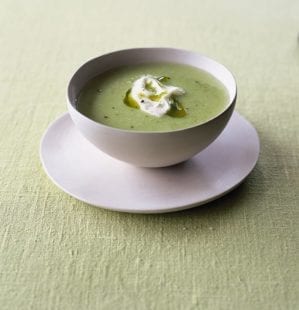
Asparagus recipes
Asparagus vichyssoise soup
A classic vichyssoise is usually made from potatoes and leeks but we’ve added asparagus for springtime twist. Usually served cold...
-
Easy

Chicken breast recipes
The versatile chicken breast is anything but boring...
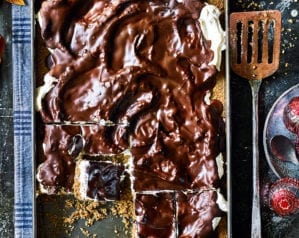
Teatime traybake recipes
Teatime? School bake sale? Traybake time! Our traybake...
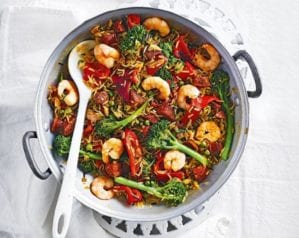
Healthy family meals
We know that cooking healthy family dinners is...

Fishcake recipes
Fishcakes make the perfect family-friendly midweek meal. All...
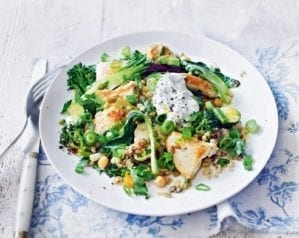
Stir-fry recipes
Our quick and easy stir-fry recipes make the...

Lentil recipes
Lentils come loaded with fibre and protein and...
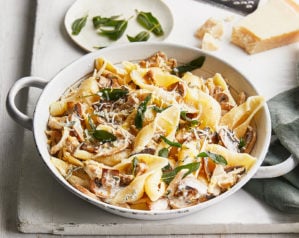
Chicken pasta recipes
Weeknight dinner? Coming right up. Here's our round-up...

Mini dessert recipes
Small in size but big in flavour, any...
Advertisement

Beef recipes
464 Recipes

Cheese recipes
567 Recipes

Chicken recipes
831 Recipes

Chocolate recipes
399 Recipes

Egg recipes
253 Recipes
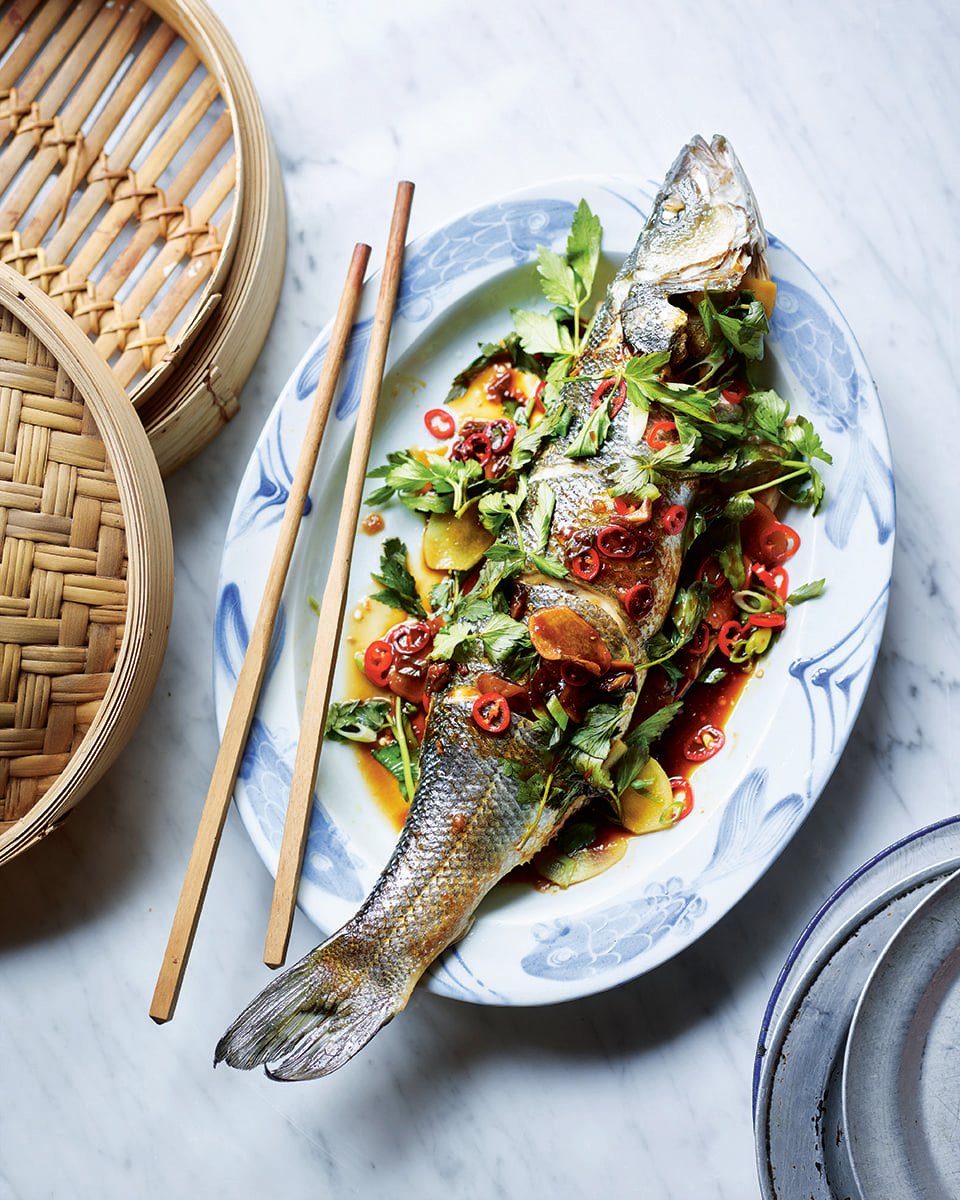
Fish recipes
601 Recipes

Fruit recipes
880 Recipes

Lamb recipes
336 Recipes
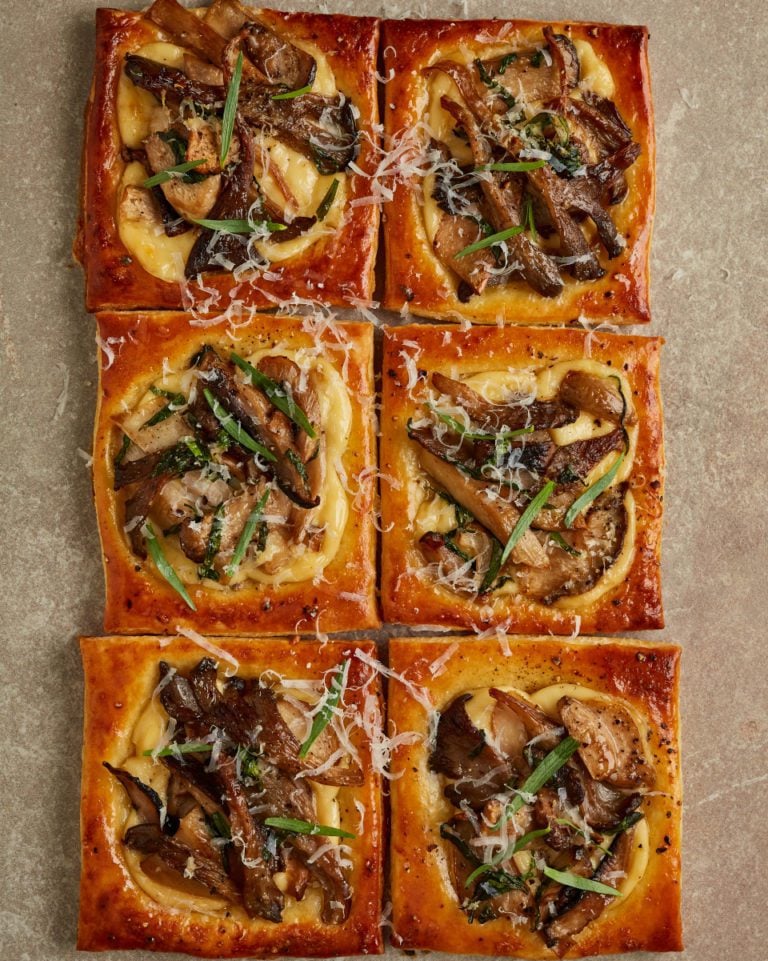
Mushroom recipes
119 Recipes

Pasta recipes
394 Recipes

Pork recipes
669 Recipes

Salmon recipes
151 Recipes

Sausage recipes
276 Recipes

Seafood recipes
413 Recipes

Vegetable recipes
1630 Recipes



Advertisement
We throw away a million bananas in the UK EVERY DAY. We don`t know about you but we think that`s a crying shame 🍌 For #stopfoodwasteday, save yours tonight and put them in this comforting miso caramel pudding. It`ll keep you warm during the chilliest spring week ever...
Get the recipe at the link in our bio and check out our stories for more banana saving ideas...
#bananapudding #stopfoodwaste #bananacake
Recipe: @jessmeyerfood, Photography: @tobyrone, Styling: @victoriaeldridge


We throw away a million bananas in the UK EVERY DAY. We don`t know about you but we think that`s a crying shame 🍌 For #stopfoodwasteday, save yours tonight and put them in this comforting miso caramel pudding. It`ll keep you warm during the chilliest spring week ever...
Get the recipe at the link in our bio and check out our stories for more banana saving ideas...
#bananapudding #stopfoodwaste #bananacake
Recipe: @jessmeyerfood, Photography: @tobyrone, Styling: @victoriaeldridge
This week our pasta is a must-make tuna puttanesca ragù from @tomshinglerr. He says: "Of all the recipes I`ve come up with over the years – some good, some best kept from the public domain – this is my crowning glory. Puttanesca is generally a fresh, sunshine-suitable dish whipped together in the time it takes to cook the pasta, but when the weather’s a bit damp and dreary (like this week) something more robust is needed.
By slow-cooking the sauce like a ragù (and adding a generous glug of red wine), you get something deep, meaty, robust and full of all that deliciously salty umami flavour that only the trio of olives, capers and anchovies can provide. I seriously urge you to give it a go – it’s my desert island dish."
Recipe: @tomshinglerr, Photography: @indiawm
#pasta #puttanesca #tunapasta #ragu #weeklypasta

This week our pasta is a must-make tuna puttanesca ragù from @tomshinglerr. He says: "Of all the recipes I`ve come up with over the years – some good, some best kept from the public domain – this is my crowning glory. Puttanesca is generally a fresh, sunshine-suitable dish whipped together in the time it takes to cook the pasta, but when the weather’s a bit damp and dreary (like this week) something more robust is needed.
By slow-cooking the sauce like a ragù (and adding a generous glug of red wine), you get something deep, meaty, robust and full of all that deliciously salty umami flavour that only the trio of olives, capers and anchovies can provide. I seriously urge you to give it a go – it’s my desert island dish."
Recipe: @tomshinglerr, Photography: @indiawm
#pasta #puttanesca #tunapasta #ragu #weeklypasta
Indian mango season is BACK, and this cheesecake brings the double benefit of being ridiculously delicious and a work of art, too. @avishashidhara’s no-bake, make-ahead marvel combines a classic French cheesecake with fragrant mangos, almost like a mango lassi reimagined. Find the recipe for this mango cheesecake through the link in our bio.
#cheesecake #baking #recipeinspo #bakinginspo #nobakecheesecake #dessert #mangoseason #mango
Recipe: @avishashidhara, Photography: @garethmorgansphoto

Indian mango season is BACK, and this cheesecake brings the double benefit of being ridiculously delicious and a work of art, too. @avishashidhara’s no-bake, make-ahead marvel combines a classic French cheesecake with fragrant mangos, almost like a mango lassi reimagined. Find the recipe for this mango cheesecake through the link in our bio.
#cheesecake #baking #recipeinspo #bakinginspo #nobakecheesecake #dessert #mangoseason #mango
Recipe: @avishashidhara, Photography: @garethmorgansphoto
TOP TIP: Using the brine that olives come in (whether from a jar or a tin) is a no-waste way to impart flavour and ensure super-juicy chicken. This olive-brined chicken is a minimal-effort dish but the marinating is key – you have to give the chicken enough time to marinate for maximum flavour.
The earthy nuttiness of brown rice balances well with the sweet and salty flavours of the chicken, but a big green side salad is equally good as a side dish.
Recipe and styling: @pickled_plates, Photography: @indiawm
#nowaste #chickenrecipes #weeknightdinner

TOP TIP: Using the brine that olives come in (whether from a jar or a tin) is a no-waste way to impart flavour and ensure super-juicy chicken. This olive-brined chicken is a minimal-effort dish but the marinating is key – you have to give the chicken enough time to marinate for maximum flavour.
The earthy nuttiness of brown rice balances well with the sweet and salty flavours of the chicken, but a big green side salad is equally good as a side dish.
Recipe and styling: @pickled_plates, Photography: @indiawm
#nowaste #chickenrecipes #weeknightdinner
If this second winter is getting you down, cheer yourself up with cake! We`re talking @kevinflynnbakes towering banana, maple and pecan cake.
It`s sandwiched with layers of rich banana sponge with piped maple buttercream and finished with candied pecans for a showstopper twist on everyone`s favourite banana bread..
This is a rare example of a bake that improves, given a day or two to ‘mature’. Make the sponges a day or two ahead, then wrap and store in the fridge until you’re ready to assemble the cake.
Recipe: @kevinflynnbakes, Photography: @indiawm, Styling: @emilygussin
#bananabread #bananacake #cake

If this second winter is getting you down, cheer yourself up with cake! We`re talking @kevinflynnbakes towering banana, maple and pecan cake.
It`s sandwiched with layers of rich banana sponge with piped maple buttercream and finished with candied pecans for a showstopper twist on everyone`s favourite banana bread..
This is a rare example of a bake that improves, given a day or two to ‘mature’. Make the sponges a day or two ahead, then wrap and store in the fridge until you’re ready to assemble the cake.
Recipe: @kevinflynnbakes, Photography: @indiawm, Styling: @emilygussin
#bananabread #bananacake #cake
Jarred artichokes offer such a great, flavourful base in this easy, midweek meal. We love the combination of hot and cold ingredients which make for a robust warm salad, perfect for these still-cool spring days.
Recipe and styling: @emilygussin, Photography: @indiawm
#salad #artichokes #springtimerecipes

Jarred artichokes offer such a great, flavourful base in this easy, midweek meal. We love the combination of hot and cold ingredients which make for a robust warm salad, perfect for these still-cool spring days.
Recipe and styling: @emilygussin, Photography: @indiawm
#salad #artichokes #springtimerecipes
Spring time pork tacos are the new Sunday lunch! This dish makes seasonal British twists by using fresh broad beans in place of avocados and lime-pickled radishes instead of red onion.
When they’re in season, you can find radishes complete with a froth of green leaves. These are completely edible and have the same pleasing pepperiness as the radishes themselves, so don’t throw them in the bin – use as you would salad leaves or watercress.
Recipe and styling: @emilygussin, Photography: @indiawm
#springrecipes #tacos #porktacos

Spring time pork tacos are the new Sunday lunch! This dish makes seasonal British twists by using fresh broad beans in place of avocados and lime-pickled radishes instead of red onion.
When they’re in season, you can find radishes complete with a froth of green leaves. These are completely edible and have the same pleasing pepperiness as the radishes themselves, so don’t throw them in the bin – use as you would salad leaves or watercress.
Recipe and styling: @emilygussin, Photography: @indiawm
#springrecipes #tacos #porktacos
EASY LUNCH IDEA: The peppery flavour of radishes contrasts beautifully with nutty brown butter and creamy ricotta in this simple lunch recipe. Spread the ricotta over the toasted sourdough, then spoon over the radishes with plenty of the buttery juices.
If you don’t want to add all the radish leaves, give them a rinse and keep in an airtight container in the fridge. They’re a great addition to a salad – or you can shred them and use like soft herbs.
Recipe, illustration and styling: @pickled_plates, Photography: @indiawm
#radishrecipes #radish #springlunch

EASY LUNCH IDEA: The peppery flavour of radishes contrasts beautifully with nutty brown butter and creamy ricotta in this simple lunch recipe. Spread the ricotta over the toasted sourdough, then spoon over the radishes with plenty of the buttery juices.
If you don’t want to add all the radish leaves, give them a rinse and keep in an airtight container in the fridge. They’re a great addition to a salad – or you can shred them and use like soft herbs.
Recipe, illustration and styling: @pickled_plates, Photography: @indiawm
#radishrecipes #radish #springlunch
Subscribe to our magazine
Food stories, skills and tested recipes, straight to your door... Enjoy 5 issues for just £5 with our special introductory offer.
Subscribe
Unleash your inner chef
Looking for inspiration? Receive the latest recipes with our newsletter